
By Kumaraguru Institute of Agriculture (KIA)
Agriculture is no longer just about the plow and the harvest; it is a sophisticated blend of science, technology, economics, and sustainability. As the global population surges and climate challenges mount, the world doesn’t just need farmers — it needs “Agri-Preneurs,” researchers, and innovators who can secure the future of food.
In this shifting landscape, the role of educational institutions has never been more critical. Situated in the fertile belt of Erode, the Kumaraguru Institute of Agriculture (KIA) has emerged as a beacon of excellence. As one of the top agriculture college in Tamil Nadu, KIA is not merely teaching students how to grow crops; we are cultivating the minds that will redefine the agricultural sector for decades to come.
In this article, we explore how KIA’s rigorous academic framework — spanning Crop Management, Improvement, Protection, and Horticulture — is setting a new benchmark for agricultural education in India.
A Legacy of Trust: The Sakthi Group Advantage
Before diving into the curriculum, it is essential to understand the roots of the institution. KIA is sponsored by the Sakthi Foundation, the charitable wing of the renowned Sakthi Group. With a legacy deeply intertwined with India’s industrial and agricultural growth, the Sakthi Group brings decades of expertise in sugar, soya, and dairy industries directly to the campus.
Affiliated with the Tamil Nadu Agricultural University (TNAU) — consistently ranked among the best agricultural universities in India — KIA ensures that its students receive a degree that holds global weight and recognition. This combination of industrial backing and academic rigor is what propels KIA into the league of top agriculture college in Tamil Nadu.
The 5 Pillars of Agricultural Excellence at KIA
At KIA, we believe that a B.Sc. (Hons.) Agriculture degree is a passport to diverse career paths. To ensure our students are industry-ready, our curriculum is anchored by five core departments. These departments work in unison to provide a holistic understanding of the agricultural ecosystem.
1. Crop Management: The Foundation of Food Security
Crop Management is the backbone of agriculture. It is the science of maximizing yield while minimizing environmental impact. At KIA, the Department of Agronomy leads this charge.
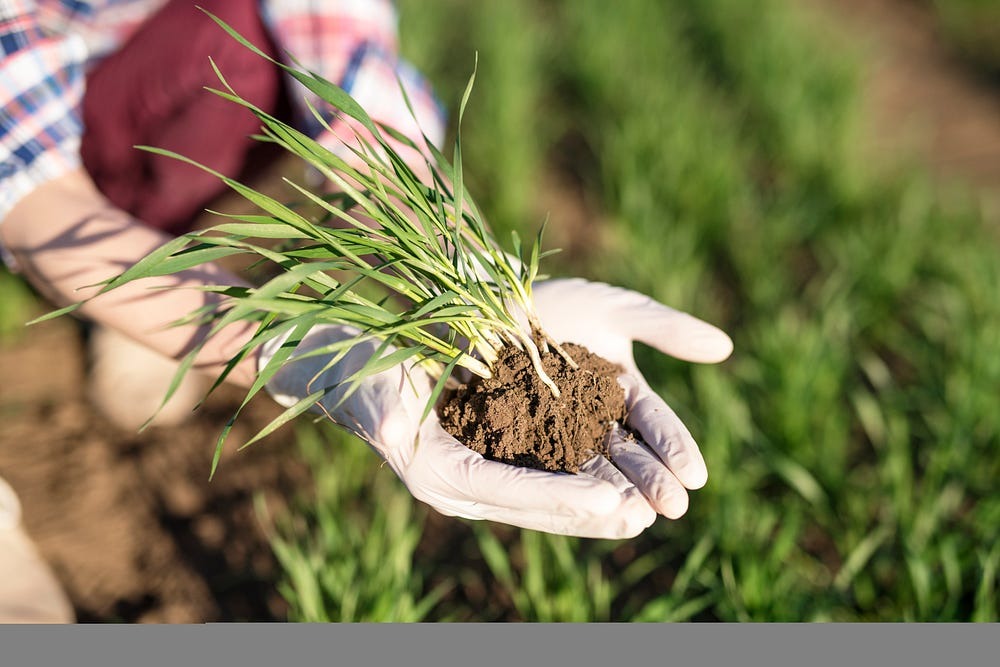
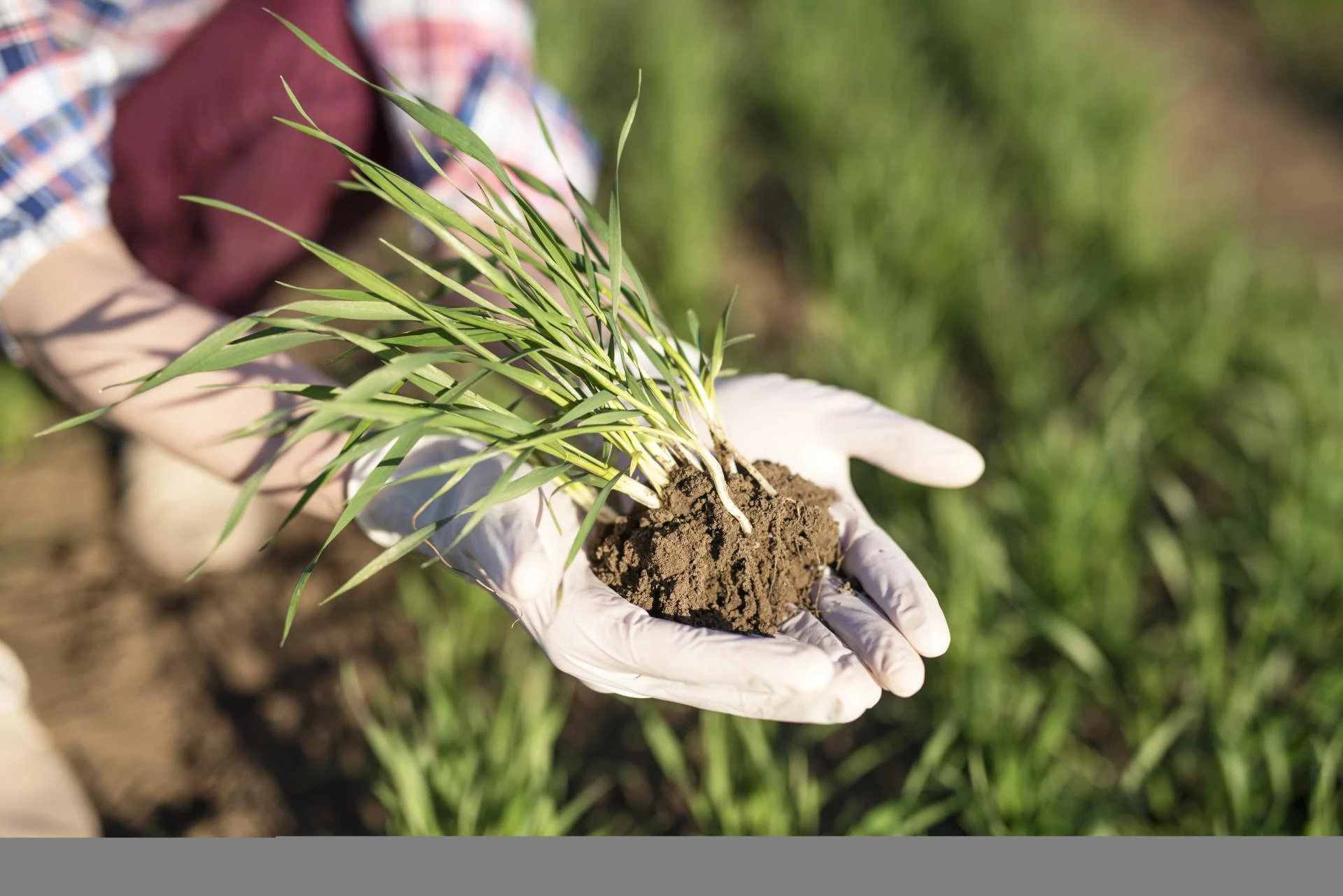
Students are trained in the fundamental principles of crop production, ranging from nutrient management and irrigation techniques to weed control and organic farming. Our 131-acre campus serves as a living laboratory where students don’t just read about Crop Management; they practice it. Through hands-on field training (part of the crop production courses), students learn to manage field crops like paddy, millets, pulses, and oilseeds under varying climatic conditions. They analyze soil health, determine water requirements, and implement sustainable practices that define modern agronomy.
Details — Crop Management
2. Crop Improvement: Innovating for Tomorrow
If management is about the present, Crop Improvement is about the future. This department focuses on Genetics, Plant Breeding, and Seed Science and Technology.
With the challenges of climate change and evolving pests, the world needs crops that are resilient, high-yielding, and nutritious. Our students dive deep into the genetic makeup of plants to understand how traits are inherited and how they can be manipulated for the better. The Crop Improvement curriculum covers classical breeding methods as well as introductions to modern biotechnology. By understanding the science behind seed production and variety development, KIA graduates are prepared for careers in research labs, seed companies, and government breeding stations.
Details - Crop Improvement
3. Crop Protection: Sustainable Defense Strategies
A significant percentage of global food production is lost to pests and diseases annually. The Department of Crop Protection, comprising Agricultural Entomology and Plant Pathology, equips students with the skills to safeguard food security.
At KIA, we emphasize Integrated Pest Management (IPM) — a strategy that prioritizes ecological balance over chemical dependence. Students learn to identify beneficial insects versus harmful pests, diagnose plant diseases, and prescribe treatments that are safe for the consumer and the environment. Mastery of Crop Protection ensures that our graduates can serve as trusted plant doctors and technical advisors in the agro-chemical industry.
Details - Crop Protection
4. Horticulture: The Art of High-Value Farming
Horticulture is one of the fastest-growing sectors in agriculture, encompassing fruits, vegetables, flowers, spices, and landscaping.
KIA’s Horticulture department opens doors to high-value agriculture. From precision farming of vegetables to the aesthetic science of landscaping and floriculture, students explore the commercial viability of horticultural crops. The curriculum also covers post-harvest technology, ensuring students understand the entire value chain — from farm to fork. Whether it is establishing a polyhouse, managing a fruit orchard, or designing green spaces, our Horticulture training fosters creativity and entrepreneurship.
Details — Horticulture
5. Social Sciences: The Business of Agriculture
Agriculture is, ultimately, a business that supports livelihoods. The Department of Social Sciences bridges the gap between the lab and the land, and between the farmer and the market.
This unique department covers Agricultural Economics, Agricultural Extension, and Mathematics/Statistics. Here, students learn the “business” side of farming:
- Economics: Understanding market trends, price fluctuations, farm finance, and policy analysis.
- Extension: The art of transferring technology from researchers to farmers. Students learn how to communicate effectively with rural communities, organize field demonstrations, and drive social change.
By integrating Social Sciences into the core curriculum, KIA ensures that our graduates are not just scientists, but also effective communicators and astute business managers.
Details -Social Sciences
The B.Sc. (Hons.) Agriculture Degree: A Gateway to Opportunity
The B.Sc. (Hons.) Agriculture degree offered at KIA is a four-year professional program designed to mold well-rounded professionals. But what makes the KIA experience unique among top agriculture college in Tamil Nadu?
The “Learning by Doing” Approach
We strictly adhere to the TNAU syllabus, which mandates a heavy emphasis on practical learning.
- RAWE (Rural Agricultural Work Experience): In their final year, students spend weeks living in rural villages. They work alongside farmers, identifying real-world problems and offering scientific solutions. This immersive experience is often cited by alumni as the most transformative part of their degree.
Industrial Tie-ups: Thanks to the Sakthi Group, students gain exposure to agro-industries, learning the nuances of food processing, supply chain logistics, and agro-exports.
Infrastructure That Inspires
A degree is only as good as the facilities that support it. KIA boasts:
- Modern Laboratories: Fully equipped labs for Soil Science, Microbiology, and Biochemistry.
- The Library: A knowledge hub with thousands of volumes, journals, and digital resources to support research.
- The Farm: Walk through our 131-acre campus, and you won’t just see classrooms. You’ll see students knee-deep in the wetland farms testing soil, or identifying insects in the early morning sun at the orchard.
Career Scope: Where Will Your Degree Take You?
Graduating with a B.Sc. (Hons.) Agriculture degree from KIA opens diverse avenues. A lot of people think, “If I study Agri, will I just end up plowing fields?” We hear this question all the time during admissions. The answer is a hard no. Our alumni are making their mark in:
- Banking & Finance: As Specialist Officers (SO) in nationalized banks, handling agricultural loans and rural credit.
- Public Sector: In roles such as Agricultural Officers (AO) and Assistant Agricultural Officers (AAO) within the government.
- Agri-Business: Working with MNCs in fertilizer, seed, and pesticide sectors (Sales, Marketing, and R&D).
- Higher Education & Research: Pursuing Masters and PhDs in premier institutes globally.
- Entrepreneurship: Launching startups in organic farming, mushroom cultivation, apiculture, and food processing.
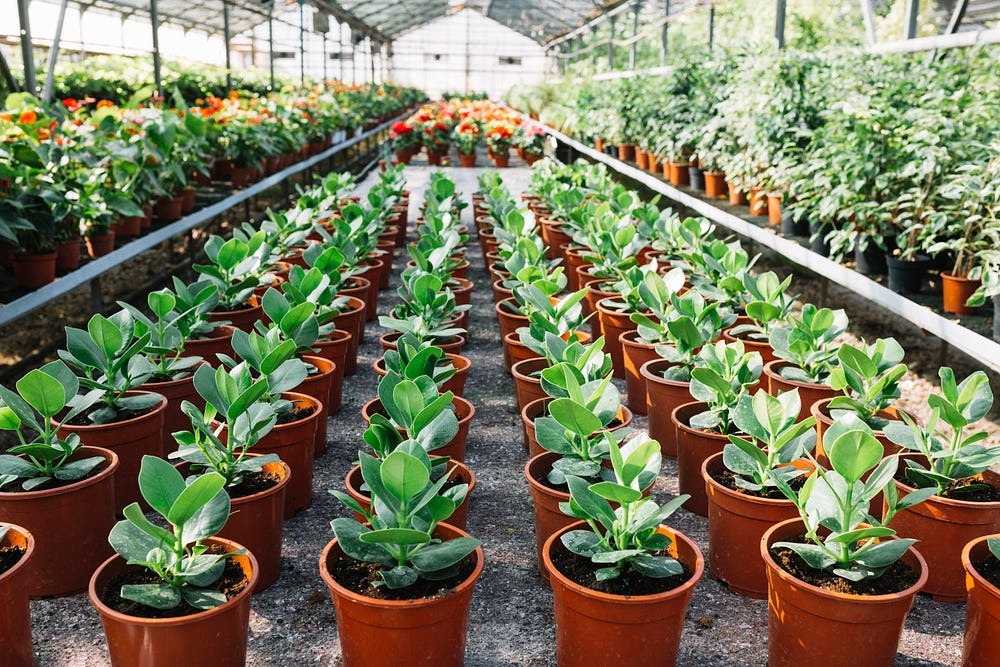
Conclusion: Join the Agricultural Revolution
Choosing a college is the first step toward building a career. When searching for top agriculture college in Tamil Nadu, students and parents often look for a blend of tradition, technology, and placement support. Kumaraguru Institute of Agriculture offers exactly that.
We are not just conferring degrees; we are empowering the guardians of our food systems. With a robust curriculum spanning Crop Management, Crop Improvement, Crop Protection, Horticulture, and Social Sciences, KIA is the launchpad for your dreams in the agricultural sector.
Are you ready to grow with us?
Explore our campus, meet our faculty, and discover why the future of farming begins at Kumaraguru Institute of Agriculture.
Visit us at: Location: Erode, Tamil Nadu
























Sign in to leave a comment.