
Introduction
As the world continues to search for sustainable energy sources, biomass has become an increasingly important player in the global energy market. Among the various biomass sources, rice husks have emerged as a highly valuable resource for biomass pellet production. Rice husks are an abundant byproduct of rice milling, and their potential for use in renewable energy solutions is vast. As a leading supplier of rice husks for biomass pellet production, we are committed to supporting the global transition to cleaner, greener energy. In this blog, we will explore the significance of rice husks in biomass energy, the process of producing biomass pellets, and why partnering with a trusted Rice Husk Supplier in Jharkhand is crucial for businesses looking to capitalize on this sustainable energy source.
What Are Rice Husk Pellets?
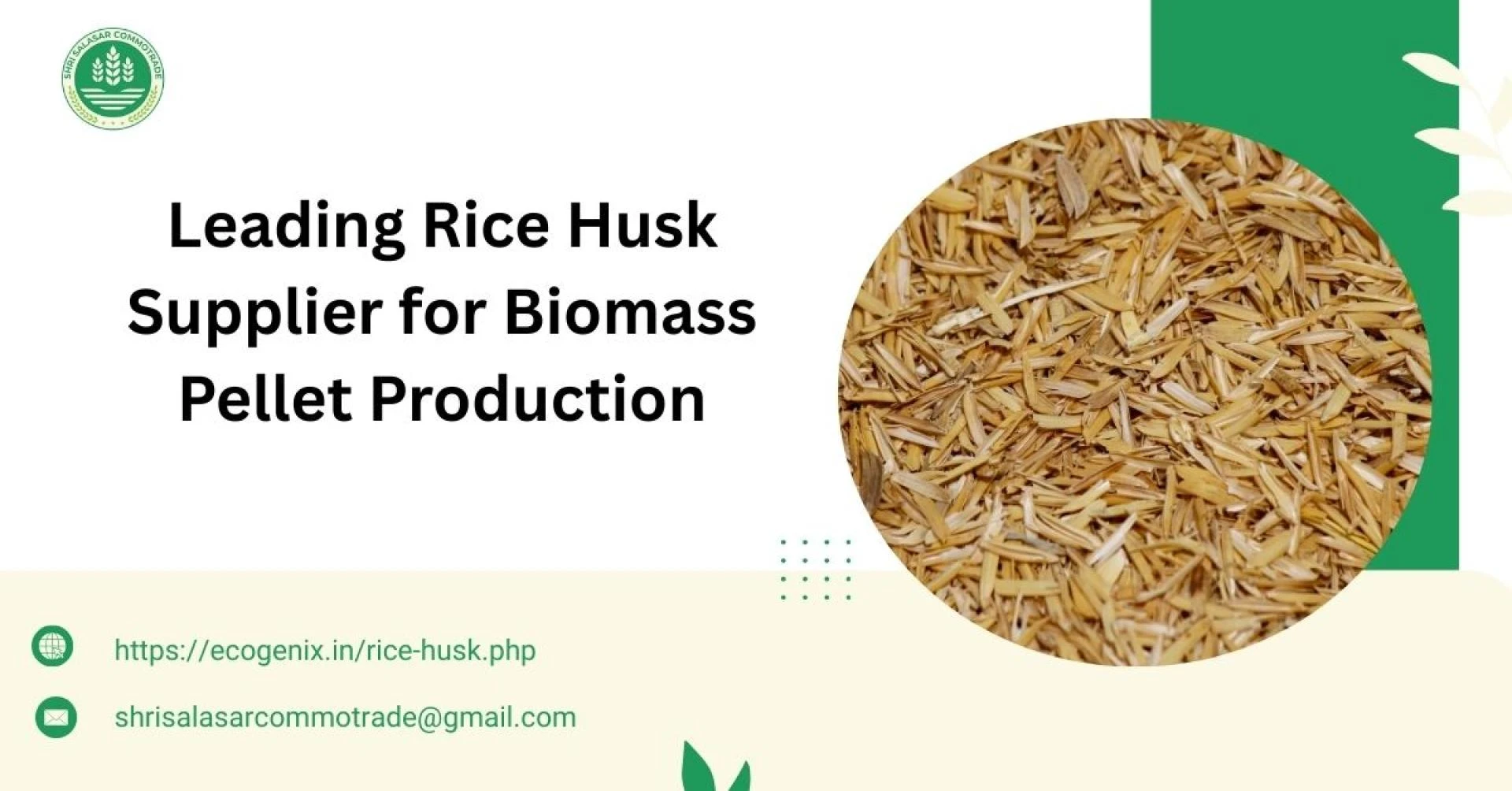
Rice husk pellets are a type of biomass fuel made from the husks of rice grains. Rice husks are the outer shells that are removed during the milling process, and they have long been considered a waste product. However, with advancements in technology, these husks are now being transformed into valuable fuel pellets that can be used for heating, electricity generation, and industrial applications. Biomass pellets, including rice husk pellets, are considered a cleaner and more sustainable alternative to traditional fossil fuels like coal, oil, and natural gas. They are carbon-neutral, meaning that the amount of carbon dioxide they release when burned is equal to the amount that the plants absorbed during their growth. This makes rice husk pellets an eco-friendly solution for energy production.
The Process of Producing Biomass Pellets from Rice Husk
The production of rice husk pellets involves several stages, each of which plays a critical role in turning rice husks into a viable energy source. Here’s a step-by-step breakdown of the process:
Rice husk processing involves several key steps:
1. Collection and Cleaning: Rice husks are collected from rice mills and cleaned to remove impurities.
2. Drying: The husks are dried to reduce moisture content (10-15%) for effective processing.
3. Grinding: The dried husks are ground into fine particles or chips.
4. Pelletizing: The ground husks are compressed into pellets using heat and pressure.
5. Cooling and Packaging: The pellets are cooled, stabilized, and then packaged for distribution to industries like heating and power generation.
Why Rice Husk Pellets are an Attractive Biomass Fuel
Rice husk pellets offer several advantages over other traditional fuels. Here are some key reasons why they are gaining popularity in biomass energy applications:
- Sustainability: Rice husks are a byproduct of rice milling, making them a readily available and renewable resource. Using rice husks as a biomass fuel reduces waste and helps mitigate the environmental impact of rice farming.
- Carbon Neutrality: Rice husk pellets are carbon-neutral, meaning that they release a minimal amount of greenhouse gases compared to fossil fuels. This contributes to reducing the carbon footprint and combating climate change.
- High Energy Content: Rice husk pellets have a high energy density, making them an efficient fuel for heating and power generation. They can be used in boilers, furnaces, and other industrial applications that require a reliable heat source.
- Economic Benefits: Producing and using rice husk pellets can create new economic opportunities, particularly for rural areas where rice farming is prevalent. Farmers can sell rice husks to pellet manufacturers, creating an additional revenue stream while contributing to the renewable energy sector.
- Versatility: Rice husk pellets can be used in a wide range of applications, including residential heating, industrial boilers, and even power plants. Their versatility makes them a valuable asset in the transition to renewable energy.
The Role of Rice Husk Suppliers in Biomass Pellet Production
The quality of the rice husks used in biomass pellet production is crucial to the final product’s efficiency and performance. As a leading supplier of rice husks for biomass pellet production, we ensure that our customers receive high-quality husks that meet the specific requirements for pelletizing.
Here’s why working with a trusted rice husk supplier is essential:
- Consistent Supply: A reliable supplier ensures a steady and consistent supply of rice husks, which is crucial for businesses that depend on continuous production. Whether you need small or large quantities, a dependable supplier can meet your demands.
- Quality Control: The quality of rice husks plays a significant role in the pelletization process. A reputable supplier adheres to strict quality control measures, ensuring that the husks are free from contaminants and have the proper moisture content for efficient pellet production.
- Cost-Effective Pricing: Partnering with a trusted supplier can help businesses keep costs low by providing competitive pricing for rice husks. Bulk purchasing options can further reduce costs, making biomass pellet production more economical.
- Sustainability Focus: Many leading rice husk suppliers are committed to sustainable practices. By choosing a supplier with an eco-friendly approach, businesses can align their operations with the global push for renewable energy and sustainability.
Note: Purchase affordable rice husk ash in India
Conclusion
Rice husk pellets are rapidly gaining recognition as a key biomass fuel that can help reduce reliance on fossil fuels and lower carbon emissions. As a leading rice husk supplier, we are proud to contribute to the renewable energy sector by providing high-quality rice husks that are ideal for biomass pellet production. By working with a reliable supplier, businesses can access a steady supply of rice husks, ensuring that they can meet the growing demand for clean, sustainable energy solutions. Incorporating rice husk pellets into your energy strategy not only supports the environment but also offers long-term economic benefits. As the demand for sustainable energy solutions continues to rise, rice husk pellets will play an essential role in shaping the future of renewable energy production worldwide.






























Sign in to leave a comment.