

Buying a car is one of the biggest financial decisions most people make on a regular basis, yet the question of how to pay for it often gets less attention than which car to buy. Leasing, financing, and buying outright each come with distinct tradeoffs around cost, flexibility, and long-term ownership. Here's a breakdown to help you figure out which path fits your situation.
Leasing: Lower Payments, No Ownership
Leasing works a lot like a long-term rental. You pay a monthly fee to drive the car for a set period typically two to four years and then return it at the end of the term.
Pros:
- Lower monthly payments compared to financing
- You're usually driving a newer car with the latest features and tech
- Warranty coverage often lasts the entire lease term, minimizing repair costs
- Easy to upgrade to a new model every few years
Cons:
- You never build equity — at the end of the lease, you own nothing
- Mileage limits (often 10,000–15,000 miles/year) come with penalties if exceeded
- Wear-and-tear charges can add unexpected costs at lease-end
- Early termination fees can be steep if your circumstances change
Leasing tends to make the most sense for people who like driving a new car every few years, don't drive excessive mileage, and prefer predictable monthly costs over long-term ownership.
Financing: A Middle Ground
Financing means taking out a loan to buy the car, then paying it off in monthly installments over three to seven years. You own the car from day one, but the lender holds a lien until the loan is paid off.
Pros:
- You build equity with every payment
- No mileage restrictions or wear-and-tear penalties
- Once paid off, you can keep driving with no more payments
- More flexibility to modify, sell, or trade the car whenever you want
Cons:
- Monthly payments are typically higher than a lease for the same vehicle
- Interest costs add up, especially with poor credit
- Cars depreciate quickly, so you can end up "underwater" (owing more than the car is worth) in the early years
- You're responsible for repairs once the manufacturer's warranty expires
Financing is a solid choice for buyers who want ownership without paying the full price upfront, and who plan to keep the car for several years past the loan term to get the most value out of it.
Buying Outright: Full Ownership, No Debt
Paying cash for a car means no loan, no interest, and no monthly payments — just the upfront cost.
Pros:
- No interest charges, which can save thousands over the life of the car
- Full ownership and equity from day one
- No lender restrictions on mileage, modifications, or insurance requirements
- Simpler budgeting — no recurring auto loan payment
Cons:
- Requires a large lump sum, which ties up cash that could be invested elsewhere
- No easy exit if your financial situation changes
- You absorb the full depreciation hit yourself
- Still responsible for maintenance and repairs as the car ages
Buying outright is ideal for people with enough savings to cover the purchase without straining their finances, especially if they plan to keep the car long-term and avoid interest costs entirely.
What Happens When the Car Reaches the End of the Road?
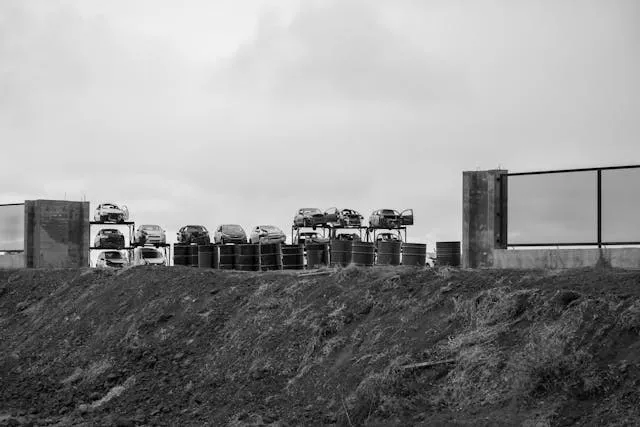
Regardless of which option you choose, every car eventually reaches the end of its useful life — whether through an accident, mechanical failure, or old age. Lease returns go back to the dealer, but if you've financed or bought your car outright and it's no longer worth repairing, you'll need a plan for disposing of it responsibly. This is where scrap car removal services come in handy: they'll tow away an old, damaged, or non-running vehicle, often paying you cash for the metal and parts, saving you the hassle of trying to sell a car that's no longer roadworthy.
Quick Comparison Table
| Factor | Leasing | Financing | Buying Outright |
|---|---|---|---|
| Monthly cost | Lowest | Moderate to high | None (after purchase) |
| Ownership | None | Builds over time | Immediate |
| Mileage limits | Yes | No | No |
| Long-term cost | Can be higher over time | Interest adds cost | Lowest overall |
| Flexibility | Low | Medium | High |
| Best for | Frequent upgraders | Balanced buyers | Long-term owners with savings |
Final Thoughts
There's no universally "best" option — it depends on your driving habits, financial situation, and how long you want to keep the car. If you value flexibility and lower payments, leasing might suit you. If you want ownership without paying everything upfront, financing strikes a balance. And if you have the savings and want to avoid debt entirely, buying outright saves the most money in the long run. Whichever route you choose, it helps to think a few years ahead — including how you'll eventually part ways with the vehicle, whether that's trading it in, selling it privately, or calling a scrap car removal service once it's reached the end of the line.




















Sign in to leave a comment.