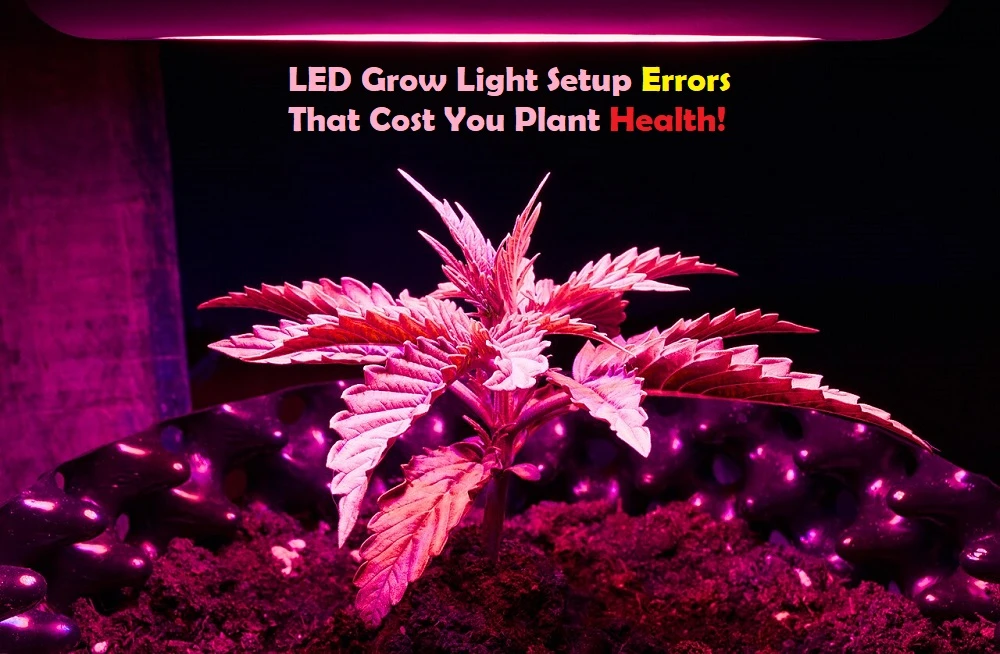

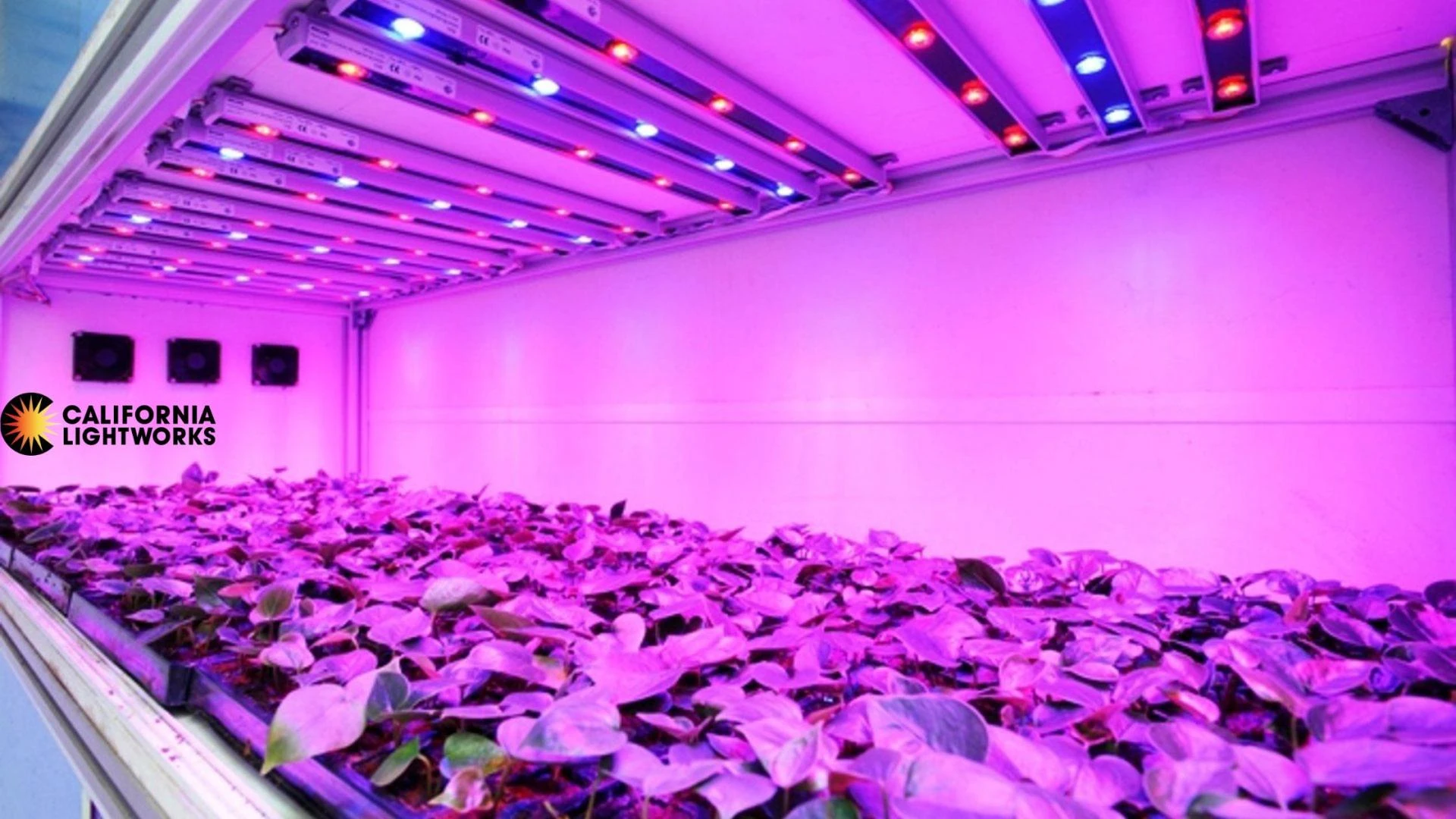
Indoor gardening with LED grow lights has revolutionized how we grow plants, especially in tight or light-restricted spaces. But despite their efficiency, power and versatility, LED grow lights can harm your plants if not used correctly. Even minor setup mistakes can lead to stunted growth, stressed foliage or lower yields.
In this post, we’ll break down the most common grow light errors and show you how to avoid them—so your plants can thrive.
1. Incorrect Distance Between Light and Canopy
One of the most common and costly mistakes is placing your LED grow lights too close or too far from your plants.
Why it matters:
- Too close: Plants can suffer from light burn, curled leaves, or excess heat stress.
- Too far: Leads to weak, stretched plants and poor light absorption, especially during vegetative growth.
Tip: Always follow the manufacturer’s recommended hanging height, and adjust it as your plants grow. If you can, use a PAR meter to measure how much usable light your canopy is receiving.
2. Using the Wrong Light Spectrum
All plants need light, but the type of light matters more than many realize. Different spectrums support different stages of growth.
Ideal Spectrum Guide:
- Blue light (400–500nm): Best for the vegetative stage. Encourages leaf and stem growth.
- Red light (600–700nm): Essential for flowering and fruiting.
Using a full-spectrum LED is helpful, but not adjusting light output during different stages can confuse or slow plant development. Look for adjustable-spectrum lights or switch between growth and bloom settings accordingly.
3. Uneven Light Coverage
It’s easy to assume that placing one LED light in the center of your grow tent will do the job—but that rarely gives you even light distribution.
Common signs of poor light coverage:
- Plants on the edges grow slower than those in the center.
- Uneven bud or flower development.
- Discolored or droopy leaves in low-light zones.
Solutions:
- Use multiple light panels to cover larger areas.
- Rotate your plants every few days to ensure balanced exposure.
- Consider using reflective grow tents or walls to maximize light spread.
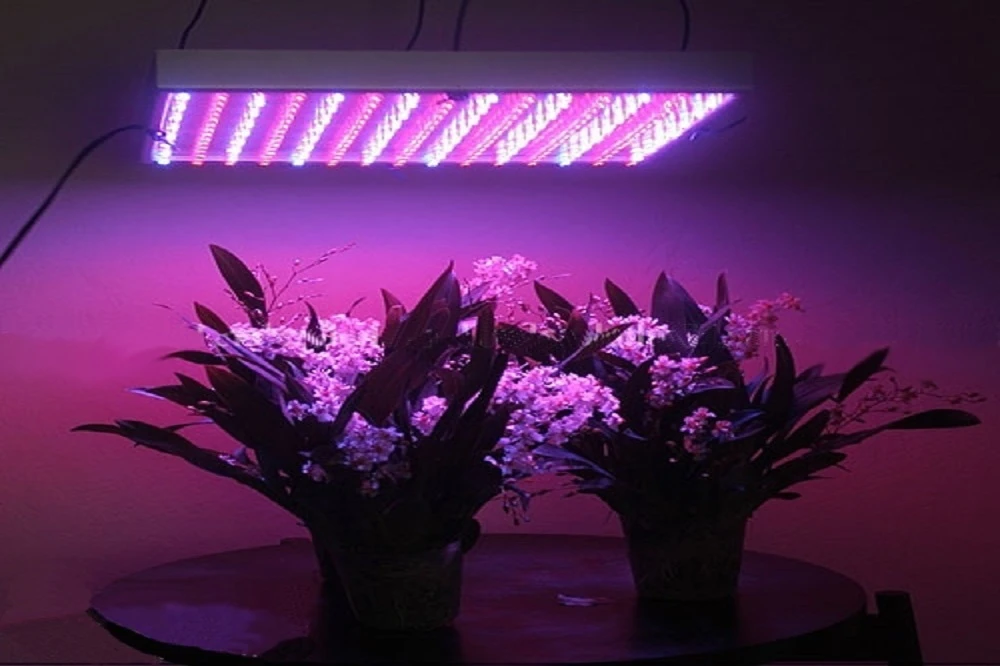
4. Inconsistent or Incorrect Light Schedules
Light timing is just as critical as light quality. Plants need consistent light/dark periods to photosynthesize and rest properly.
Suggested Schedules:
- Vegetative phase: 18 hours of light, 6 hours of dark
- Flowering phase: 12 hours of light, 12 hours of dark
Avoid manually turning lights on/off. Instead, invest in a reliable timer. Also, sudden light interruptions during the dark period can stress certain plants (especially cannabis), leading to hermaphroditism or lower yields.
5. Heat Buildup and Poor Ventilation
Although LEDs run cooler than traditional grow lights, they still produce heat—especially in enclosed grow spaces. Ignoring this can cause humidity issues and affect plant respiration.
Heat stress symptoms:
- Leaves curling or turning brown at the edges
- Slowed growth
- Dropping humidity levels
Fixes:
- Ensure good airflow with fans and exhausts.
- Use temperature and humidity monitors.
- Leave space between lights and ceilings to dissipate heat effectively.
6. Choosing the Wrong Type of LED Grow Light
Not all LEDs are created equal. Low-quality lights often lack the intensity or spectrum needed for healthy plant growth.
Key things to look for:
- PPFD output: How much usable light reaches your plants.
- Energy efficiency: Check for high µmol/J ratings.
- Brand reputation: Stick to tested and reviewed products with warranty support.
Investing in a reliable grow light may cost more upfront, but it pays off with healthier plants, faster growth and better yields.
Conclusion
Getting the most out of your LED grow lights isn't just about turning them on—it's about setting them up smartly. From proper hanging height to balanced light spectrum, heat management, and consistent scheduling, avoiding these common mistakes can dramatically improve your plant health and yields.
Are you making any of these errors in your grow setup?
Have you fixed one and noticed a big difference?
Let us know in the comments below! We’d love to hear your insights and help troubleshoot! And if you're hungry for more tips on optimizing indoor LED grow lights, check out our related guides or sign up for our newsletter for fresh, grower-friendly updates.
















Sign in to leave a comment.