

Working with an administrative law attorney often brings attention to how legal disputes can arise from everyday situations involving employment, contracts, and personal reputation. Many people assume legal issues only affect large corporations or high-profile cases, but individual workers and small businesses regularly face challenges that require legal understanding.
Insights commonly shared through Bridging Legal Solutions help illustrate how these challenges can affect income, professional standing, and long-term stability if not addressed properly. Employment disagreements, unclear contractual obligations, and reputation-related disputes often overlap.
Why Legal Problems Are Often Overlooked at First
Many legal disputes do not begin with formal complaints or court documents. They often start with subtle changes such as altered job duties, unexpected contract terms, or damaging statements made publicly or online.
This is why hiring contract lawyers can be important, as they help identify risks hidden in agreements, clarify obligations before issues escalate, and prevent misunderstandings that can turn manageable situations into costly disputes.
Delays can make disputes harder to resolve. Employment conditions may worsen. Contracts may become binding before risks are identified. Harmful statements may spread further. Early awareness allows individuals to document issues, understand their rights, and explore options before problems escalate.
How Employment Conditions Can Lead to Constructive Dismissal
An administrative law attorney is often involved in matters where employment conditions change without a formal termination. Constructive dismissal occurs when an employer significantly alters essential terms of employment, making it unreasonable for an employee to continue working under the new conditions.
Examples include substantial pay reductions, demotions, changes in job location, or hostile work environments. While the employee may technically resign, the law may treat the situation as a termination if the changes are serious enough.
Recognizing Early Warning Signs in the Workplace
Constructive dismissal does not happen overnight. It often develops through a series of actions or decisions by an employer. Employees may notice gradual changes that collectively alter the nature of their role.
Common warning signs include removal of responsibilities, exclusion from meetings, or sudden changes in reporting structure. When these changes affect dignity, compensation, or job security, they may form the basis of a constructive dismissal claim.
Documenting these changes and understanding how employment law applies allows individuals to evaluate their options before taking action that could affect their rights.
Why Contracts Shape Legal Outcomes
Contracts define expectations in both professional and personal relationships. Employment agreements, service contracts, and business arrangements all rely on clear terms to function effectively. When these terms are unclear or one-sided, disputes are more likely to arise.
Some contracts often contain clauses that limit liability, restrict competition, or define termination rights. Understanding these clauses before problems arise helps individuals avoid commitments that could have lasting consequences.
Situations Where Contract Review Becomes Essential
Not every contract requires immediate legal review, but certain situations increase risk. Long-term agreements, high-value transactions, or contracts involving intellectual property deserve careful attention.
Employment contracts may include non-compete or confidentiality clauses that affect future opportunities. Service agreements may shift risk unfairly to one party. Without understanding these terms, individuals may agree to obligations they did not anticipate.
Clear contract awareness supports better negotiation and helps prevent disputes that stem from misunderstandings rather than intentional wrongdoing.
How Defamation of Character Can Affect Lives and Careers
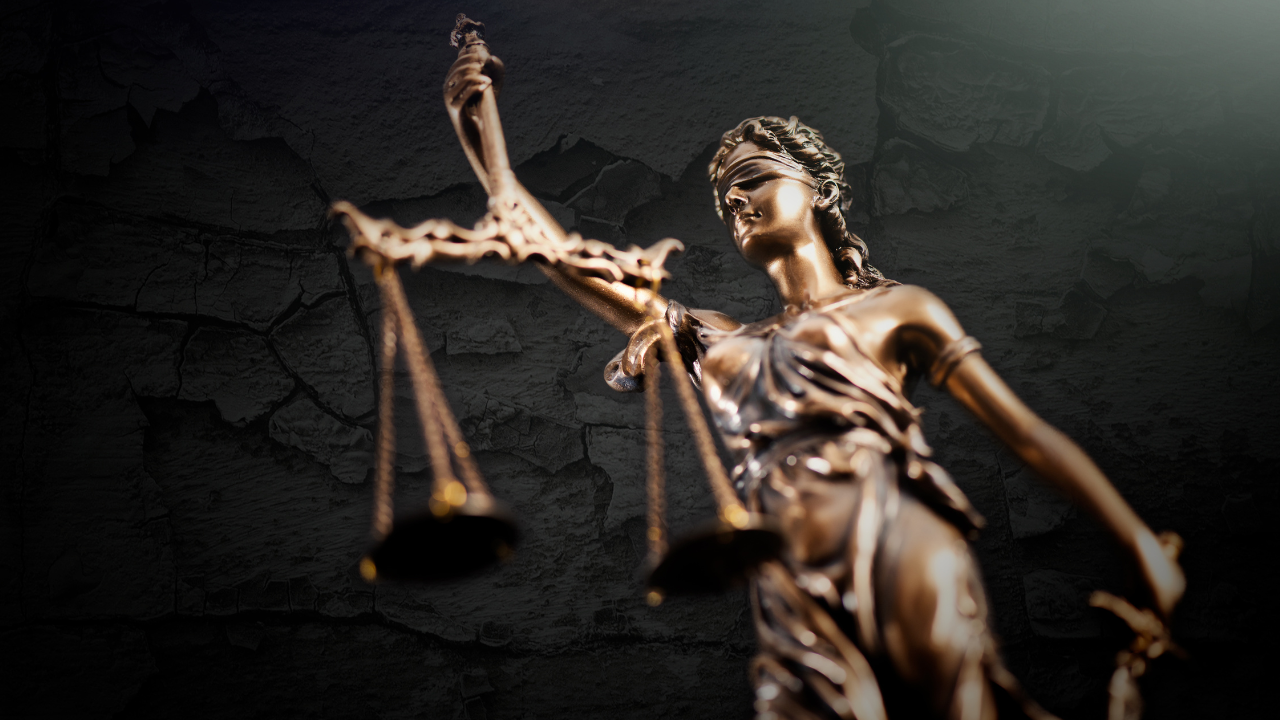
Reputation plays a critical role in professional and personal life. Statements made publicly, whether in person or online, can cause lasting harm if they are false and damaging.
The impact can be severe. Employment opportunities may be lost. Business relationships may suffer. Emotional distress can follow. Understanding what qualifies as defamation helps individuals assess whether legal action is appropriate.
Distinguishing Opinion From Defamatory Statements
Not all negative statements are defamatory. The law distinguishes between opinion and false statements presented as fact. This distinction is critical when evaluating whether a claim may succeed.
Statements based on personal opinion, when clearly expressed as such, may be protected. However, false statements that harm reputation and are communicated to others may cross the legal threshold.
Understanding these boundaries helps individuals decide how to respond, whether through correction, negotiation, or legal remedies.
How These Legal Areas Intersect
Employment disputes, contract issues, and defamation claims often intersect. A workplace conflict may involve contractual obligations and public statements. A terminated employee may face reputational harm tied to how the departure is communicated.
When legal issues overlap, they become more complex. Actions taken in one area may affect another. This is why understanding the broader legal context matters.
Awareness across these areas allows individuals to respond thoughtfully rather than reactively. It also helps prevent actions that unintentionally weaken a legal position.
Why Early Legal Awareness Matters
Legal disputes often escalate because early signs are ignored or misunderstood. Addressing issues early allows for more options and greater control over outcomes.
Employment concerns may be resolved before resignation becomes necessary. Contract disputes may be settled before litigation. Defamation issues may be addressed before reputational damage spreads further.
Early awareness does not guarantee resolution, but it improves the likelihood of informed and strategic decision-making.
Balancing Legal Protection With Practical Realities
Legal rights exist to protect individuals, but pursuing them requires careful consideration. Not every dispute needs formal legal action. Sometimes clarification, negotiation, or documentation is sufficient.
Understanding legal options allows people to weigh costs, risks, and benefits realistically. This balance supports better outcomes and reduces unnecessary stress. Legal understanding also helps people recognize when a situation can be resolved through communication or adjustment rather than formal legal action.
By knowing their rights and obligations, individuals can address concerns early, set clear expectations, and reduce the likelihood of disputes escalating into prolonged and costly processes.
Bringing Legal Understanding Together

Employment rights, contract obligations, and reputation protection form a connected framework that affects daily life and long-term stability. Each area influences how disputes arise and how they can be resolved, a relationship frequently highlighted in discussions found within Bridging Legal Solutions.
By understanding these legal principles, individuals are better prepared to protect their interests and respond confidently to challenges. Clear information supports smarter decisions and reduces uncertainty.
Having informed choices grounded in legal awareness makes it easier for you to decide. Always consider the help of a local administrative law attorney to guide you through the court proceedings and papers.
































Sign in to leave a comment.