
Many people wonder how their phones identify preferred songs and their smartwatches track their movements while household lights detect their arrival. Two advanced technologies named Artificial Intelligence (AI) and Internet of Things (IoT) drive the smooth operation of these common everyday wonders. Mobile apps that combine these technologies create platforms which produce valuable benefits for safety and fun combined with reduced complexity of everyday activities. These technologies create benefits which reduce time consumption and support health maintenance as well as environmental protection. The combination of AI technology with IoT systems enables extensive worldwide changes through applications which enhance medical care and improve home automation but also many other life aspects.
Struggling to integrate AI/IoT? Scale smarter with a Mobile App Development Company.
Fundamentals of AI & IoT
Artificial Intelligence provides machines with cognitive abilities through which they can function like thinking entities. AI operates like a robot brain which obtains the ability to learn autonomously and produce choices independently. The AI capabilities in phones allow you to request alarm setting and music playback while it recognizes your spoken commands. AI technology examines pictures to detect objects in the images including recognizing dogs and trees. The system performs three functions including text reading, multilingual translation and providing recommendations for your next movie selection. AI becomes more intelligent with each use because it gathers data which enables it to learn new things.
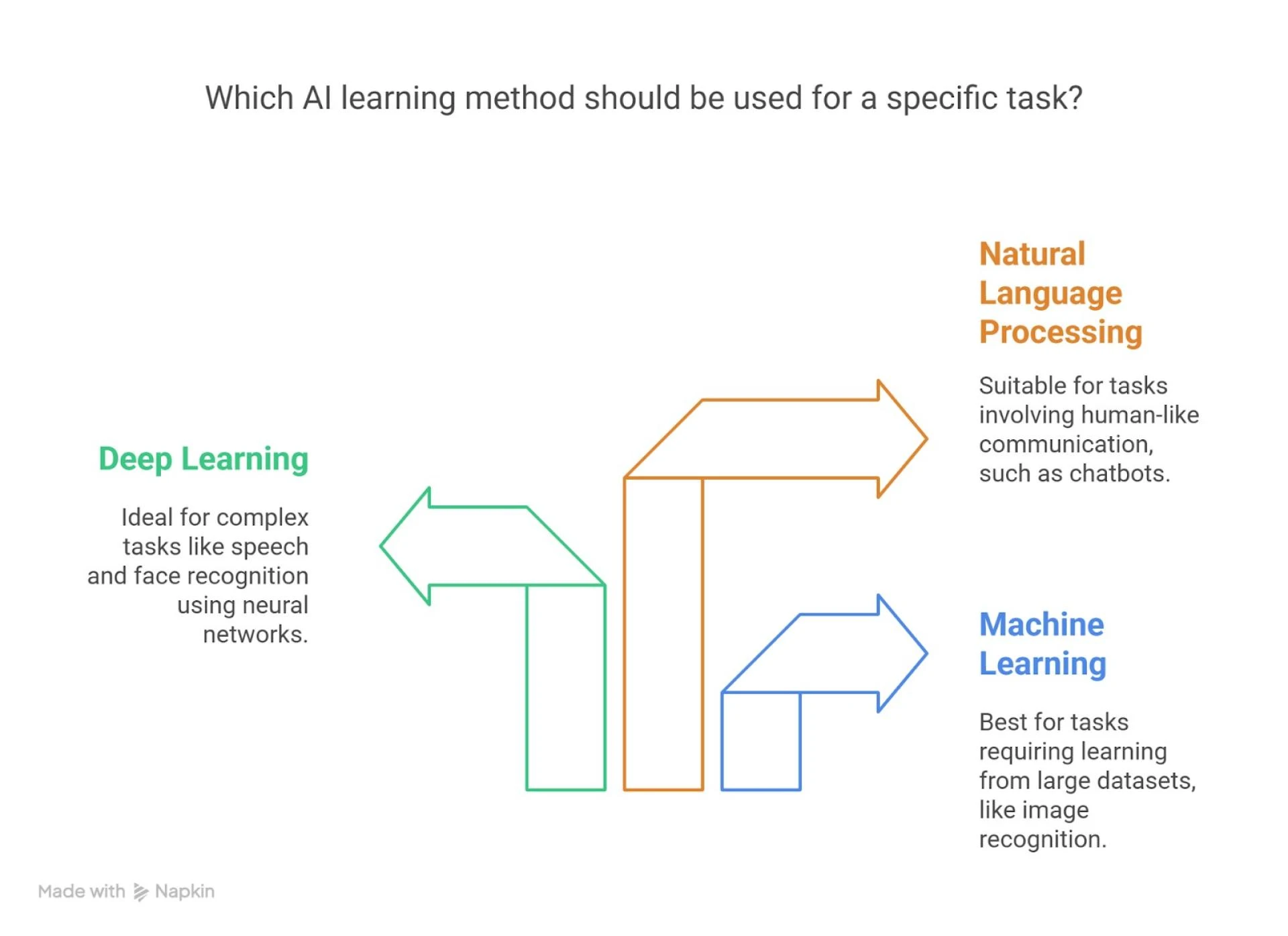
AI uses different types of learning, like:
- Machine Learning: Learning from lots of examples. For example, showing a computer thousands of cat pictures so it learns what a cat looks like.
- Deep Learning: Using computer models called neural networks that work similar to a human brain. This helps AI do complex tasks like understanding speech or recognizing faces.
- Natural Language Processing: Teaching computers to read, write, and talk like humans. This is why your phone can understand your words and talk back.
These AI methods help machines become more helpful and make fewer mistakes as they learn.
IoT stands for the Internet of Things. It means everyday objects—like fridges, watches, cars, and light bulbs—have tiny computers inside them and can connect to the internet. These objects become “smart.” They talk to each other and send information to our phones or to the cloud (big data centers).
Imagine:
- A refrigerator that tracks what food you have and suggests recipes when you are low on ingredients.
- A water bottle that measures how much you drink and sends reminders to stay hydrated.
- A pair of running shoes that tracks your distance and tells you how fast you ran.
All of these are IoT devices that collect data from the world around you. They help you make better choices, save energy, and live healthier lives.
How AI and IoT Work Together
The perfect combination exists between AI and IoT functionality. IoT devices acquire information about temperature and sound and motion and speed from their environment. AI uses the gathered information to make choices about what actions to take.
- Home smart thermostats serve as an illustration.
- The IoT Sensor embedded in the thermostat detects the present room temperature.
- The thermostat transmits this temperature reading through the cloud network.
- AI Brain analyzes information about your previous behavior together with weather predictions obtained from external sources.
- The AI system selects heat reduction because its algorithms show that you prefer lower temperatures during morning hours.
- Your ideal comfortable morning temperature appears without any manual interaction.
The collaborative approach between these systems helps households reduce energy consumption while cutting down utility expenses. The house automatically adjusts to your needs which results in increased comfort levels for your daily life.
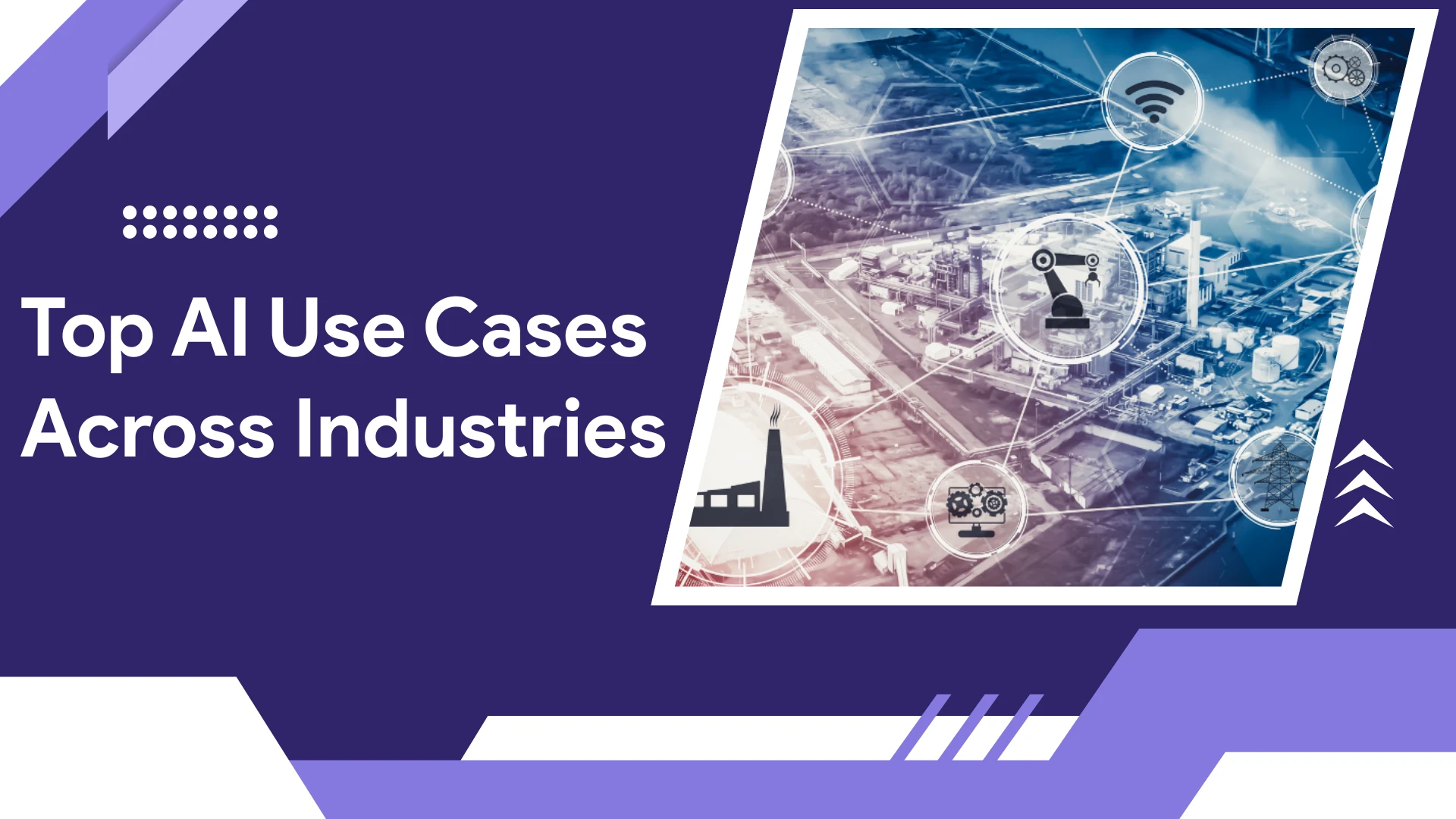
🔗 Full Article Here: AI Use Cases in Manufacturing Industry
Mobile Apps: The Bridge to Smart Living
Mobile apps act like a remote control for the smart devices in your life. They are user-friendly tools that let you manage AI and IoT systems from anywhere with just a few taps. Instead of remembering dozens of passwords or settings, you open one app, see all your gadgets, and control them easily.
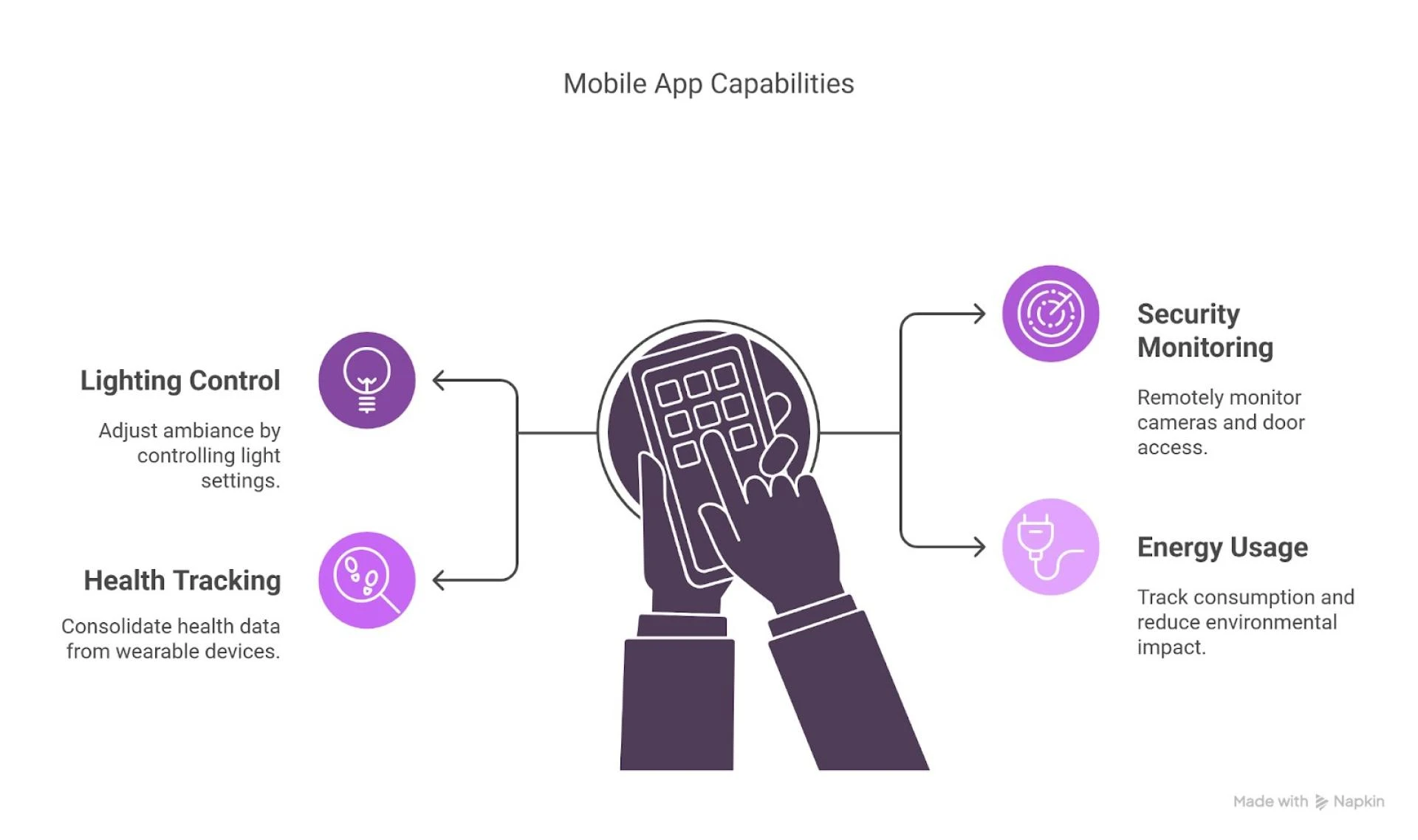
Some cool things you can do with apps:
- Lighting Control: Dim or brighten the lights, or change their color to set the mood for reading or watching a movie.
- Security Monitoring: Check live video feeds from cameras, lock or unlock doors, and receive alerts if someone is at your door.
- Health Tracking: Sync your smartwatch data to see your steps, heart rate, and sleep patterns all in one place.
- Energy Usage: Monitor how much electricity or water you use and get tips to reduce waste.
All these actions happen in real time, no matter where you are—at school, at work, or on vacation.
Smart Homes: Making Life Easier
The combination of AI and IoT technology delivers the perfect example through smart homes. Multiple convenient features unite to form a single major advantage of feeling at ease.
Examples of smart home features:
- Voice Assistants through speakers permit you to play music together with questions or message delivery.
- The system enables automatic door locking after departure and automatic unlocking upon your return.
- The smart lighting system automatically switches off lights when there is no presence in the room thus saving energy.
- The heating and cooling system through climate control adjusts both for comfort and efficiency purposes.
- Smart appliances consist of phone-controllable refrigerators as well as ovens and washing machines.
The features provide families several benefits: improved efficiency and lower utility expenses together with enhanced security measures.
Smart Healthcare: Helping Doctors and Patients
AI and IoT technologies achieve their best results in the healthcare field which stands as a vital sector. Smart medical devices when connected to mobile apps maintain health tracking of patients before data automatically reaches their doctors. Regular continuous health observation helps medical personnel detect problems earlier in order to deliver more efficient treatments.
Ways we see smart healthcare:
- People can use wearable monitors to track heart rate and blood sugar or oxygen levels until the devices create a notification when abnormal results occur.
- Patients can obtain medical checkups through video calls and real-time health data transmission from their home environment.
- Medical image analysis software uses AI to detect healthcare issues within X-ray and skin scan data which doctors must review.
- The application provides medication reminders to patients which also notifies caregivers when patients forget to take their medicine.
The tools provide patients with home-based health management while simultaneously reducing the medical staff's workload.
Worried about data security? Build trust with Healthcare Software Development.
Smart Cities: Building Better Communities
AI technology together with IoT systems enable cities throughout the world to serve better service to millions of residents. The combination of sensors with mobile capabilities allows local governments and their population members to operate cities effectively as a unified team.
Smart city examples:
- The implementation of sensors monitors car traffic and changes traffic signal operations which leads to minimizing congestion and quicker travel times.
- The weight sensors installed on trash bins send alerts to indicate full bins which triggers garbage truck visits only when necessary.
- The Internet of Things monitors air pollution by using sensors which display current air quality data through an application.
- The combination of cameras with AI technology allows them to detect abnormal behaviors which triggers quick police notifications.
These advancements create orderly streets that result in safe neighborhoods with content people living in them.
Smart Farming: Feeding the World Wisely
The expanding human population creates substantial difficulties in providing food for all people. The agricultural sector implements AI and IoT systems to obtain responsible food production.
Innovations in smart farming:
- The sensors built into soil examine both moisture levels along with nutrient content and aid farmers to determine optimal fertilization and irrigation times.
- Devices containing both satellites and drones supply premium-resolution images which help identify field diseases and pests before they infect additional areas.
- The automated irrigation system uses drip technology to deliver water to plants during their watering needs thus reducing water consumption.
- The combination of weather reports and plant and soil data provides artificial intelligence with insights that enable developers to produce accurate harvest predictions for resource allocation decisions.
Such technological innovations enable agricultural professionals to raise their production levels while minimizing their resource consumption and defense of ecological spaces.
Smart Industry: Boosting Factories and Jobs
AI technology partnered with IoT enhances factory operations to build secure workplaces that generate products with improved efficiency.
Smart industry uses:
- Machines through predictive maintenance systems monitor their operational state to notify operators about upcoming maintenance requirements thus preventing equipment breakdowns.
- The assembly line quality control system utilizes AI to detect defects which it reports immediately.
- Real-time delivery tracking through IoT technology allows enterprises to update shipping schedules and select better transportation routes.
- Safety equipment designed for workers includes devices that track their exhaustion levels and dangerous environmental factors along with warning mechanisms.
The enhancement of these procedures enables factories to produce superior items at increased speed along with generating employment opportunities for skilled personnel.
Smart Education: Learning Made Fun and Easy
The combination of AI and IoT now leads education development toward personalized learning experiences while making studies more interesting.
Educational tools:
- The AI-based learning applications determine students' learning obstacles then offer additional practice tasks or easier clarification options.
- The interactive classroom solution integrates smartboards which both record educational presentations and automatically transfer recorded notes directly into digital storage accessible for students to use for review work.
- The virtual tutoring system uses chatbots to supply educational answers at any time and from any location thus enabling students to study during after-school hours.
- The combination of IoT devices and apps analyzes student performance to generate individualized feedback which students can use for skill enhancement.
The technologies enhance educational support for teachers while letting students advance their studies according to individual needs.
Smart Transportation: Getting There Faster and Safer
The integration of AI and IoT systems leads mobile apps toward improved travel reliability and smart functionality.
Transportation enhancements:
- The tracking feature in apps displays precise bus train shuttle arrival times to help users determine their departure time.
- Matching past travel patterns with present conditions enables Artificial Intelligence to project the most suitable routes for travelers.
- Mobile applications direct EV drivers to nearby chargers and enable the finding of available spots and the reservation of charging locations.
- The Internet of Things links vehicle riders to passengers through its system while Artificial Intelligence technology evaluates routes to minimize wait times for users and reduce traveling expenses.
Computers will control vehicles and roads which will lead to enhanced safety by reducing accidents while ensuring hazardous-free travel.
Struggling with fleet visibility? Gain control through Transportation and Logistics Software Development Services.
Challenges Along the Way
The amazing advantages of AI and IoT create obstacles which our community needs to handle properly.
- Key safety measures must protect companies from cyber attackers who attempt to access personal user data that smartphones and connected devices collect.
- Some rural areas along with low-income areas experience digital exclusion because they do not have affordable access to internet services or devices.
- Users who lack technical expertise find it difficult to handle multiple devices along with multiple applications.
- Users encounter discomfort or safety risks when system failures occur because of internet connection issues with devices.
We can provide smart solutions to all individuals by concentrating on robust security measures alongside easy-toavigate interfaces and wider network access.
The Future: A World Full of Possibilities
Mobile apps directed by AI and IoT technologies bring positive opportunities to the future. We can imagine:
- Electronic home systems will assist with household work while remaining present to provide companionship.
- Students from diverse countries participate in shared virtual learning classes through Digital Classrooms in real time.
- Wearable devices equipped with technology will detect medical issues ahead of their visible manifestation to users.
- The combination of smart garments contains heating and posture monitoring capabilities.
The widespread adoption of these innovations will occur because they are becoming more accessible and easier to operate. Advanced technologies will continue to evolve through mobile applications for installation in our handheld devices.
Missing out on AI innovation? Partner with an expert AI App Development Company.
Conclusion: A Smarter World in Your Pocket
The combination of AI and IoT technology transforms basic mobile phones into advanced instruments for bringing about change. Using your screen you can easily operate your home systems while watching your health status and learning new things and providing help to your community. These technologies enable the resolution of major challenges that include climate change alongside healthcare access and food security problems.























Sign in to leave a comment.