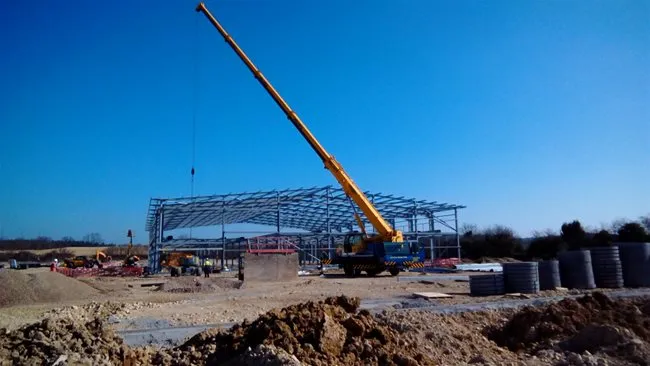

Heavy lifting can be one of the most demanding parts of a construction, renovation, industrial, or commercial project. A load may look manageable until you need to move it several metres, raise it onto a roof, place it inside a building, or position it somewhere that ordinary equipment cannot reach. When that happens, the right crane can turn a difficult task into a much more manageable one.
Professional crane rental in Kitchener gives contractors, businesses, property owners, and project managers access to lifting equipment without requiring them to purchase and maintain a crane themselves. This can be especially useful when lifting is needed for only a particular stage of a project.
However, hiring a crane is about more than choosing a machine and arranging a delivery. The load, lifting distance, work area, ground conditions, access, weather, and project schedule all need to be considered. A little preparation can make the entire process smoother and help avoid unnecessary delays.
This guide explains how crane rental works, when a crane can be useful, what to consider before booking, and how to prepare for a successful lifting operation.
Why Heavy Lifting Can Be So Challenging
Moving a heavy object from one place to another sounds straightforward until the route becomes complicated.
Imagine trying to move a large sofa through a narrow house. The sofa might not be particularly heavy, but the stairs, doorways, corners, and walls make the job difficult. Now replace that sofa with a large piece of industrial equipment weighing hundreds or thousands of kilograms. The challenge becomes much greater.
Construction and industrial projects often involve exactly this kind of problem.
Materials may need to be lifted over walls, equipment may have to reach an upper floor, or a large component may need to be placed in an area that cannot be accessed by a truck or forklift.
A crane provides another option. Instead of moving the load entirely along the ground, it can lift the item and move it through the air along a carefully planned path.
That can save time and reduce the amount of manual handling required.
What Is Crane Rental?
Crane rental is the process of arranging lifting equipment for a specific project or period of work. Depending on the provider and the service selected, rental arrangements may include the crane, transportation, setup, and an appropriately trained operator.
The equipment chosen should be based on the actual requirements of the lift.
This is important because cranes are not one-size-fits-all machines. Different equipment is designed for different situations. A project that involves lifting a moderate load a short distance may have very different requirements from a project involving a heavy object that needs to be raised several metres and positioned far from the crane itself.
Before recommending equipment, a professional crane provider will generally need information about the load and the site.
When Is a Crane the Right Choice?
A crane can be useful whenever an object is too heavy, awkward, elevated, or difficult to access using ordinary equipment.
Common applications include:
- Raising construction materials
- Moving structural steel
- Installing rooftop equipment
- Positioning concrete components
- Handling industrial machinery
- Supporting commercial renovations
- Removing large equipment
- Moving materials between different levels
- Placing heavy items in restricted areas
- Assisting with building construction and maintenance
A crane may also be helpful when speed matters. If a crew spends an entire day manually moving a load that could be positioned efficiently with suitable lifting equipment, the project may lose valuable time.
The important question is not whether the project is large or small. Instead, consider whether the lifting task creates a problem that ordinary equipment cannot solve efficiently.
Choosing Equipment Based on the Job
One of the biggest mistakes people make is assuming that the largest crane must be the best crane.
Bigger is not automatically better.
Think about renting a vehicle. If you need to move a few pieces of furniture, hiring an enormous truck may create more problems than it solves. It could be harder to manoeuvre, require more space, and cost more than necessary.
The same basic idea applies to cranes.
The suitable equipment depends on factors such as:
- The weight of the load
- The dimensions of the load
- The height it must reach
- The distance it must be moved
- Where the crane can be positioned
- Available working space
- Ground conditions
- Nearby buildings and obstacles
- The duration of the project
A professional provider can use these details to determine what type and size of equipment is appropriate.
Start With the Load
Before you call a crane company, gather as much information about the load as possible.
The weight is particularly important. If the manufacturer, supplier, engineer, or equipment documentation provides a reliable weight, use that information rather than making an estimate based on appearance.
Some objects are deceptively heavy.
A compact steel component may weigh considerably more than expected, while a large lightweight structure may be easier to handle than its size suggests.
Dimensions are important as well. The crane company may need to know the object's length, width, height, and shape.
Also explain whether the load has unusual characteristics. For example, an object with an uneven shape may require different handling considerations from a compact, evenly balanced item.
The more accurate the information, the better the lifting plan can be.
Height and Reach Matter
Weight is only part of the picture.
Suppose a crane can lift a particular load when it is positioned close to the machine. The situation may be different if that same load needs to be placed far away or at a significant height.
A simple way to picture this is to hold a heavy object close to your body. It feels easier than holding it with your arm stretched outward. The further the load is from the supporting point, the more challenging the movement can become.
For crane work, the required reach and lifting height are therefore important planning details.
Tell the crane provider exactly where the load needs to go. Saying that something needs to be "lifted onto the roof" may not provide enough information. Explain which part of the roof, how far from the proposed crane position, and any obstacles between the machine and the destination.
Site Access Should Be Checked Early
Even the most suitable crane cannot help if it cannot reach the work area.
Before arranging a rental, look carefully at the access route.
Consider whether there are:
- Narrow driveways
- Tight entrances
- Low structures
- Trees or branches
- Utility infrastructure
- Fences
- Other vehicles
- Construction materials
- Nearby buildings
- Restricted roads
- Limited space for setup
A mobile crane needs adequate room to arrive and position itself. The exact amount of space required depends on the equipment and the job.
If you know that your property has restricted access, mention it during the initial conversation. Do not wait until the crane arrives.
A site photo can sometimes help a provider understand the situation before the scheduled work.
Ground Conditions Are Part of the Plan
The area where a crane operates needs appropriate support.
A surface may appear hard enough for normal vehicles but require additional consideration when supporting heavy lifting equipment. Soil, loose fill, recently excavated areas, slopes, and uneven surfaces can all affect how the equipment should be positioned.
This is why ground conditions should be discussed during planning.
If construction work has recently changed the site, tell the crane company. For example, a section that was excavated and later filled may need special attention.
The goal is to make sure the crane has a suitable area for safe operation before the lifting begins.
Keep the Lifting Path in Mind
It is not enough to know where the load starts and ends. You also need to think about what is between those two points.
Imagine carrying a long ladder through a crowded garage. You cannot simply walk from one side to the other. You need to consider shelves, vehicles, doors, and other obstacles along the route.
A crane lift requires similar planning on a larger scale.
Buildings, trees, utility lines, structures, and other objects can affect the planned movement of a load.
The lifting path should therefore be considered before the equipment is selected and positioned.
Weather Can Change Outdoor Plans
Weather is another factor that should never be ignored.
Wind, heavy rain, poor visibility, and other difficult conditions can affect outdoor lifting. A suspended load can respond to wind differently from an object sitting firmly on the ground.
That means the weather should be monitored around the time of the scheduled work.
If conditions become unsuitable, postponing a lift may be necessary. Although a delay can be inconvenient, continuing with a lifting operation when conditions are unsafe can create much greater problems.
When scheduling outdoor crane work, it is wise to leave some flexibility rather than planning the entire project around a rigid timetable.
Why Professional Crane Operation Matters
A crane is powerful equipment, and safe lifting involves much more than pressing a control.
The operator needs to understand the equipment and work according to the lifting plan. Other workers involved in the operation need to communicate clearly and stay aware of the designated working area.
Good communication becomes especially important when the operator cannot see every part of the load's movement directly.
Everyone should know who is responsible for giving instructions and how those instructions will be communicated.
Working with an established provider such as Elite Crane Rental INC can give project managers an opportunity to discuss these practical considerations before the lifting day.
How Crane Rental Can Save Labour and Time
Crane rental is an expense, but it should be considered alongside the cost of labour and lost project time.
Suppose a crew of several workers spends most of a day moving heavy materials manually. Those workers are being paid while performing a task that may prevent them from completing other work.
Now imagine that suitable lifting equipment allows the materials to be positioned much more efficiently.
The rental cost may be offset by improved productivity.
This does not mean every project automatically needs a crane. It simply means the value of a crane should be measured by the overall effect on the project rather than by the rental price alone.
Common Projects That Benefit From Crane Services
Construction Sites
Construction projects frequently involve materials that are difficult to move manually. Structural components, building materials, concrete elements, and equipment may all need mechanical lifting.
Commercial Buildings
Commercial properties often require rooftop equipment installation or replacement. Large HVAC units, generators, and other equipment may be easier to lift from outside than move through the building.
Industrial Facilities
Industrial machinery can be extremely heavy and awkward to transport. A crane may assist with installation, replacement, relocation, or removal.
Renovation Projects
Renovations can involve structural components that need to be removed or installed in areas with restricted access.
Residential Projects
Certain residential jobs may also require lifting assistance. Large construction materials, specialized equipment, and other difficult-to-access items can sometimes benefit from crane support.
What Should You Ask Before Booking?
Before confirming a rental, ask questions that clarify exactly what you are receiving.
For example:
- Which crane is recommended for my project?
- What information do you need about the load?
- Is an operator included?
- What access does the equipment require?
- Does the site need to be assessed?
- What preparation should I complete?
- How long will the equipment be required?
- What happens if weather causes a delay?
- Which costs are included in the quote?
A clear discussion can prevent confusion and make it easier to compare different options.
Preparing for the Lifting Day
Once the crane has been scheduled, site preparation becomes important.
Remove unnecessary obstacles from the work area. Make sure the access route is available and keep vehicles away from the planned setup location.
If several contractors are working on the property, inform them about the scheduled lift. This helps prevent someone from accidentally blocking the access route or entering an area that needs to remain clear.
Make sure the load itself is ready to be handled. If it is still attached to other equipment, surrounded by materials, or difficult to access, the lifting operation may take longer than expected.
Preparation is often the difference between a smooth lifting day and a frustrating one.
Mistakes That Can Cause Crane Rental Problems
Giving an Inaccurate Load Weight
An incorrect weight estimate can lead to unsuitable equipment being considered. Use reliable information whenever possible.
Waiting Until the Last Minute
Crane availability and site planning both take time. Arranging equipment early can provide more flexibility.
Ignoring Access Restrictions
A crane needs to reach the site and position itself appropriately. Narrow entrances and overhead obstacles should be discussed beforehand.
Choosing Only by Price
A low quote may not tell you everything about the service. Look at equipment suitability, support, scheduling, and what is included.
Failing to Prepare the Work Area
Even the right crane cannot operate efficiently if the site is cluttered or inaccessible.
Treating Safety as an Afterthought
Heavy lifting should always be planned around safe working practices. Rushing the operation is rarely worth the risk.
Renting Instead of Buying Can Make Sense
Buying a crane is a major commitment.
The purchase price is only one part of ownership. Maintenance, inspections, storage, repairs, transportation, and other responsibilities also need to be considered.
For companies that only require lifting equipment occasionally, renting can be more practical.
You pay for access when you actually need it rather than maintaining a large machine throughout the year.
It is similar to renting a specialized power tool for a weekend project. If you only need it occasionally, purchasing and storing it permanently may not make financial sense.
A Practical Crane Rental Checklist
Before the project begins, review the following points:
Know the load. Confirm its weight, dimensions, and general characteristics.
Know the destination. Identify exactly where the item needs to be placed.
Understand the reach. Consider height and horizontal distance.
Inspect access. Check roads, entrances, working space, and possible obstacles.
Discuss the ground. Tell the provider about unusual or recently disturbed surfaces.
Look at the lifting path. Identify buildings, trees, wires, or other obstructions.
Monitor weather. Be prepared for outdoor conditions to affect the schedule.
Prepare the site. Clear unnecessary materials and vehicles.
Confirm the service. Understand what equipment, operator support, transportation, setup, and other services are included.
Communicate with the crew. Make sure everyone understands when and where the lift will take place.
How to Make Your Rental More Efficient
The best crane rental experiences usually begin with good communication.
Do not hesitate to provide photographs, measurements, drawings, or other useful project information when speaking with the rental company. If something about the site seems unusual, mention it.
It is much easier to solve a problem during planning than after equipment has arrived.
Also give yourself enough scheduling flexibility when possible. A project can change quickly because of construction delays, weather, material deliveries, or other unexpected events.
Planning ahead gives you more room to adjust.
Conclusion: Make the Difficult Lift a Manageable Task
Heavy lifting can be intimidating when a project lacks the right equipment. A load may be too large to move through a building, too heavy for manual handling, or positioned somewhere that ordinary machinery cannot reach.
A properly planned crane rental can provide a practical answer.
The process starts with understanding the load and the destination. From there, factors such as height, reach, access, ground conditions, obstacles, weather, and timing help determine the appropriate approach.
Good preparation also reduces the chance of unnecessary delays. When the site is ready, the equipment is suitable, and everyone understands the plan, lifting becomes a more organized part of the overall project.
For contractors, businesses, property owners, and project managers, rent crane in Kitchener services can provide access to specialized lifting equipment without the long-term responsibilities associated with ownership. Whether the job involves construction materials, rooftop equipment, industrial machinery, or another challenging load, the right crane can help move the project forward.
The smartest approach is simple: understand the job, communicate the details, prepare the site, and choose equipment that matches the real requirements. When those pieces come together, even demanding lifting work can become a much more manageable part of the project.
Frequently Asked Questions
1. When should I rent a crane?
Consider crane rental when an item is too heavy, large, awkward, elevated, or difficult to access with ordinary equipment. Construction, industrial, commercial, and certain residential projects may all require crane support.
2. How do I know which crane I need?
The choice depends on the load's weight and size, required height, lifting distance, site access, ground conditions, and surrounding obstacles. A professional crane provider can help determine suitable equipment after reviewing these details.
3. Do I need to know the exact weight of my load?
Accurate weight information is strongly recommended. If the exact figure is available from a manufacturer, supplier, engineer, or other reliable source, provide it to the crane company rather than relying on a rough guess.
4. Can a crane lift equipment onto a roof?
Yes, cranes are commonly used to lift equipment and materials to elevated locations. The suitable equipment depends on the load, building height, required reach, access, and site conditions.
5. How early should I arrange crane rental?
It is best to start planning as early as practical, especially when the project has a specific deadline. Early planning gives the provider time to review the requirements and helps reduce the chance of scheduling problems.




























Sign in to leave a comment.