A New Layer for Ethereum That Actually Works
Ethereum has long been the backbone of decentralized finance, NFTs, and on-chain innovation. Yet, for all its strengths, it has struggled with scalability, high gas fees, and network congestion. This is where Linea Bridge steps in—not as a patch, but as a fundamental improvement in how users interact with Ethereum.
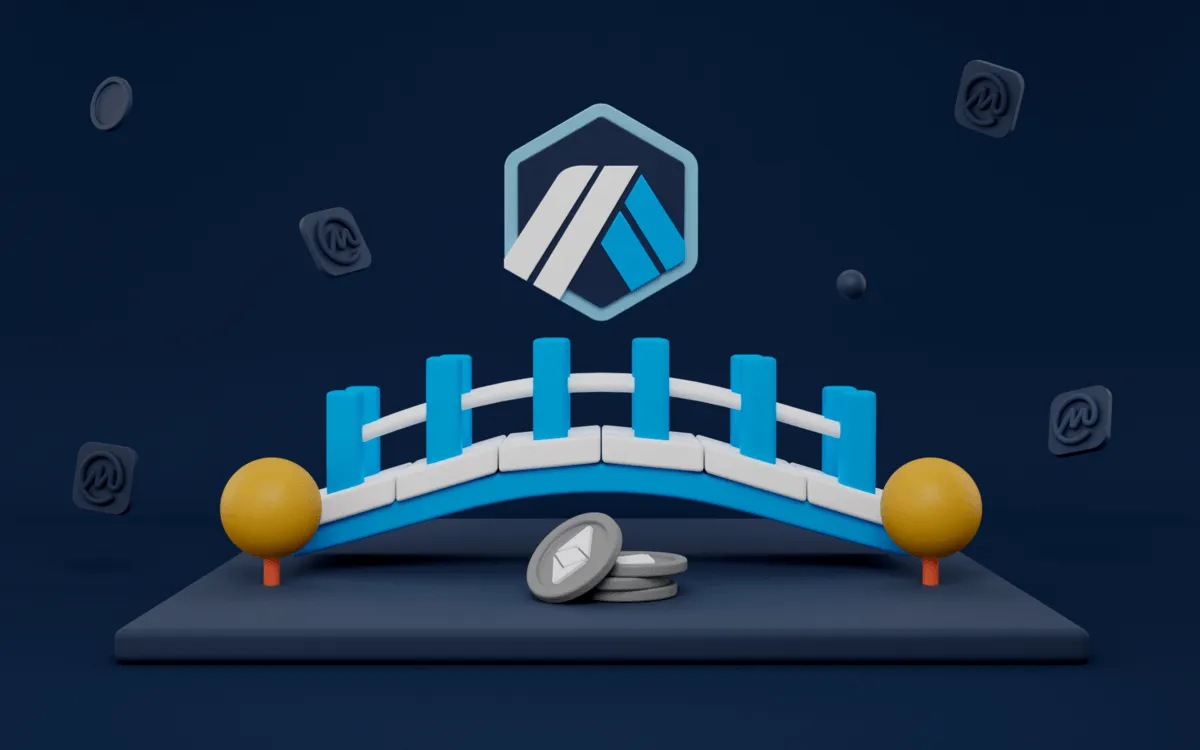
Linea is a zk-rollup network designed to extend Ethereum’s capabilities without compromising its core principles. The Linea Bridge acts as the entry point, allowing users to move assets between Ethereum and Linea efficiently and securely. It’s not just a technical tool—it’s a gateway to a faster, cheaper, and more usable blockchain experience.
What makes this especially relevant today is the growing demand for scalable infrastructure that doesn’t fragment liquidity or security. Linea addresses this by staying deeply aligned with Ethereum, while solving real usability problems.
What Is Linea and Why the Market Needs It
Linea is a zero-knowledge rollup developed to scale Ethereum while maintaining full compatibility with its ecosystem. Unlike many scaling solutions that require developers to rewrite code or compromise on decentralization, Linea is designed to be fully Ethereum-equivalent.
This matters because developers don’t want friction. Users don’t want complexity. And the market doesn’t need another isolated chain—it needs better infrastructure.
The Linea Bridge enables this ecosystem by allowing seamless movement of assets between Ethereum mainnet and Linea. Without such a bridge, even the most advanced Layer 2 solution would remain disconnected and impractical.
From a market perspective, Linea solves three persistent problems:
- High transaction fees on Ethereum
- Slow confirmation times during peak usage
- Fragmented liquidity across multiple chains
Instead of competing with Ethereum, Linea strengthens it.
The Technology Behind Linea: Why zk-Rollups Matter
At its core, Linea uses zero-knowledge rollup technology. This means transactions are executed off-chain but verified on Ethereum using cryptographic proofs.
This design delivers three key advantages:
1. Scalability Without Compromise
Transactions are bundled and processed efficiently, drastically increasing throughput.
2. Security Inherited from Ethereum
Unlike sidechains, Linea relies on Ethereum for final settlement, ensuring strong security guarantees.
3. Lower Costs for Users
Gas fees are significantly reduced because computation happens off-chain.
The Linea Bridge plays a critical role here. It ensures that assets transferred into the rollup environment remain secure and verifiable, backed by Ethereum’s trust model.
How Linea Bridge Works in Practice
The concept is simple, but the execution is highly sophisticated.
When a user transfers assets via Linea Bridge:
- Assets are locked on Ethereum
- A corresponding representation is minted on Linea
- Transactions occur quickly and cheaply on Linea
- Users can withdraw back to Ethereum when needed
This mechanism maintains a 1:1 backing of assets, ensuring transparency and trust.
What’s particularly notable is the user experience. The process is designed to feel intuitive, even for those who are not deeply technical. That’s a crucial factor in adoption.
Network Architecture and Why It Matters
Linea is not just another Layer 2—it is deeply aligned with Ethereum’s design philosophy.
Key architectural principles include:
- EVM Equivalence: Developers can deploy existing smart contracts without modification
- zk-Proofs: Ensure transaction validity without exposing data
- Ethereum Settlement Layer: Final security anchor
This combination allows Linea to function as a natural extension of Ethereum rather than a separate ecosystem.
The Linea Bridge ensures this connection remains fluid and reliable, acting as the backbone of asset interoperability.
Tokens Within the Linea Ecosystem
As of now, Linea does not rely on a native token for gas in the traditional sense. Instead, it uses ETH, maintaining consistency with Ethereum.
This design choice has several implications:
- No need for users to acquire additional tokens
- Reduced friction for onboarding
- Alignment with Ethereum’s economic model
However, within the broader ecosystem, various tokens exist:
ETH
Used for gas fees and core transactions.
ERC-20 Tokens
Bridged assets that can be used across DeFi applications on Linea.
Wrapped Assets
Tokens that represent Ethereum-based assets within Linea’s environment.
The Linea Bridge ensures that these assets retain their value and usability across both layers.
Economic Model and Revenue Streams
Linea’s economic model is straightforward but effective.
1. Transaction Fees
Users pay gas fees in ETH, which are lower compared to Ethereum mainnet.
2. Network Efficiency
Lower costs encourage higher transaction volume, which supports sustainability.
3. Ecosystem Growth
As more applications deploy on Linea, network activity increases organically.
Unlike many projects, Linea doesn’t rely heavily on speculative tokenomics. Its value comes from utility and adoption.
The Linea Bridge contributes indirectly by enabling liquidity flow, which is essential for any blockchain economy.
Key Advantages of Linea Bridge
Seamless Asset Transfers
Moving funds between Ethereum and Linea is efficient and straightforward.
Lower Transaction Costs
Users benefit from significantly reduced fees.
High Security Standards
Backed by Ethereum’s infrastructure and zk-proofs.
Developer-Friendly Environment
No need to learn new languages or tools.
Scalability for Real Use
Supports high transaction volumes without congestion.
These advantages position Linea as a practical solution rather than an experimental one.
Who Is Linea Built For
Linea is not limited to a single audience. Its design serves multiple user groups:
Developers
Looking for scalable infrastructure without rewriting code.
DeFi Users
Seeking lower fees and faster execution.
NFT Creators
Wanting affordable minting and trading.
Enterprises
Exploring blockchain integration with reliable performance.
Everyday Users
Who simply want a smoother experience without technical complexity.
The Linea Bridge ensures all these users can access the ecosystem easily.
Real Use Cases That Matter
Linea is not theoretical—it’s built for real-world applications.
Decentralized Finance
Faster swaps, lending, and yield strategies with reduced costs.
Gaming
High-frequency transactions without lag or high fees.
NFT Marketplaces
Affordable minting and trading.
Payments
Efficient transfers with minimal overhead.
Social Applications
On-chain interactions at scale.
Each of these use cases depends on reliable asset movement, which is where Linea Bridge becomes essential.
Risks and Considerations
No blockchain solution is without risks, and Linea is no exception.
Smart Contract Risks
Bridges can be targets for exploits if vulnerabilities exist.
Adoption Curve
Success depends on developer and user adoption.
Regulatory Uncertainty
The broader crypto landscape remains unpredictable.
Technical Complexity
zk-rollups are advanced systems that require ongoing refinement.
That said, Linea’s alignment with Ethereum and its focus on security reduce many of these risks compared to less integrated solutions.
What Makes Linea Different
Linea stands out not because it tries to replace Ethereum, but because it enhances it.
Key differentiators include:
- Full EVM equivalence
- Strong focus on usability
- zk-rollup efficiency
- No reliance on a separate gas token
- Seamless bridging via Linea Bridge
This combination creates a cohesive experience that feels natural rather than fragmented.
Future Outlook: Where Linea Is Headed
The long-term potential of Linea is significant.
As Ethereum continues to evolve, Layer 2 solutions will play an increasingly important role. Linea is well-positioned to be a core part of that future.
Expected developments include:
- Increased ecosystem adoption
- More applications deploying on Linea
- Improved bridging speeds and UX
- Enhanced zk-proof efficiency
The Linea Bridge will likely become even more optimized, reducing friction and improving accessibility.
From a strategic perspective, Linea represents a shift toward practical scalability—something the industry has needed for years.
FAQ: Linea Bridge Explained
What is Linea Bridge used for?
Linea Bridge allows users to transfer assets between Ethereum and the Linea network securely and efficiently.
Is Linea Bridge safe to use?
It is designed with strong security principles, leveraging Ethereum’s infrastructure and zk-proofs, though all bridges carry some level of risk.
Do I need a special token to use Linea?
No, transactions are paid in ETH, which simplifies the user experience.
How fast are transactions on Linea?
Transactions are significantly faster than Ethereum mainnet due to off-chain processing.
Can developers easily migrate to Linea?
Yes, Linea is fully EVM-equivalent, meaning existing Ethereum applications can be deployed without changes.
What makes Linea different from other Layer 2 solutions?
Its combination of zk-rollup technology, Ethereum alignment, and seamless bridging sets it apart.
Final Thoughts and Call to Action
Linea represents a meaningful step forward in blockchain scalability. It doesn’t attempt to reinvent Ethereum—it refines it. And at the center of this experience is the Linea Bridge, enabling users to move freely between layers without friction.
For developers, it offers a familiar environment with better performance. For users, it delivers lower costs and faster transactions. And for the broader ecosystem, it strengthens Ethereum’s position as the leading smart contract platform.
Now is the time to explore what Linea has to offer. Try bridging assets, interact with applications, and experience a more efficient version of Ethereum.
The future of blockchain isn’t just about innovation—it’s about usability. Linea is moving in that direction, one transaction at a time.


















Sign in to leave a comment.