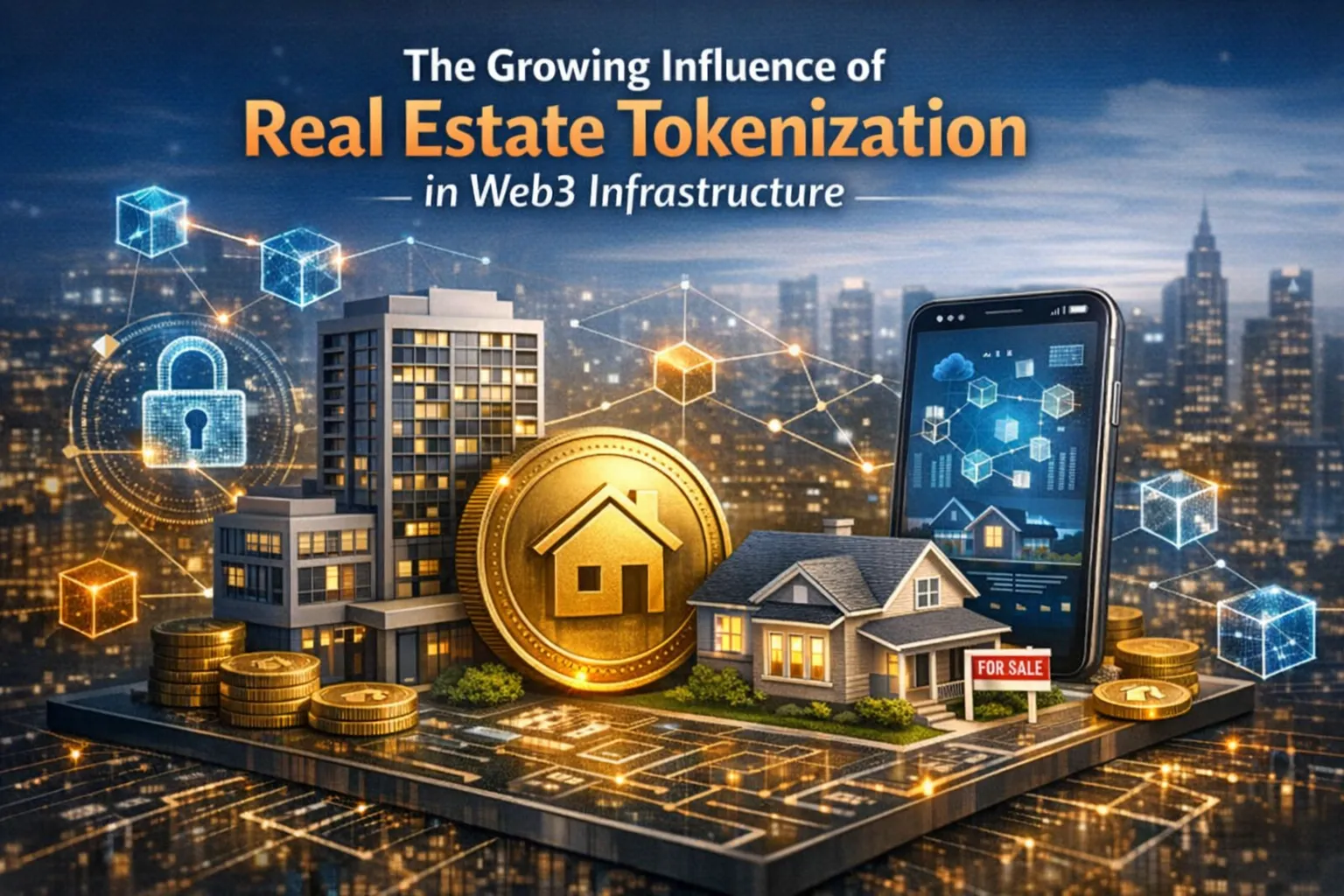

Real estate, historically characterized by illiquidity, high capital barriers, and jurisdictional fragmentation, is undergoing a structural transformation through Web3-native frameworks. At the center of this shift lies real estate tokenization—an architectural paradigm that converts physical property rights into blockchain-based digital assets. This model is not merely a digitization layer; it represents a reconfiguration of ownership, governance, and capital distribution mechanisms within decentralized infrastructure.
The convergence of distributed ledger technologies, smart contracts, and programmable compliance is enabling real estate to function as a composable financial primitive in the broader Web3 ecosystem. As institutional and retail participants increasingly explore decentralized finance (DeFi), tokenized real-world assets (RWAs), particularly real estate, are emerging as a foundational component of on-chain capital markets.
Tokenization as an Infrastructure Layer
Real estate tokenization operates by fractionalizing ownership rights into cryptographic tokens, typically issued on blockchain networks such as Ethereum-compatible chains. These tokens represent either equity, debt, or hybrid claims tied to underlying property assets. Unlike traditional securitization, tokenization embeds logic directly into the asset through smart contracts, enabling automated compliance, dividend distribution, and governance.
From an infrastructure standpoint, tokenized real estate integrates multiple layers:
- Asset Layer: Physical properties validated through legal wrappers such as Special Purpose Vehicles (SPVs).
- Token Layer: Digital representation of ownership or income streams.
- Protocol Layer: Smart contracts governing issuance, transfer, and lifecycle events.
- Application Layer: Interfaces for trading, staking, and portfolio management.
This layered architecture aligns real estate with Web3’s modular design principles, allowing interoperability with decentralized exchanges, lending protocols, and identity frameworks.
Liquidity Engineering and Market Accessibility
One of the most significant constraints in traditional real estate markets is illiquidity. Tokenization introduces liquidity engineering by enabling fractional ownership and peer-to-peer transferability. Instead of requiring full asset acquisition, investors can hold micro-stakes in diversified property portfolios.
This transformation impacts capital markets in several ways:
- Reduced entry barriers for global investors
- Continuous trading cycles compared to conventional real estate timelines
- Enhanced price discovery through on-chain market dynamics
- Integration with DeFi protocols for collateralization and yield generation
By embedding liquidity into previously static assets, tokenization shifts real estate from a long-term, illiquid investment class to a dynamic financial instrument.
Compliance, Governance, and On-Chain Identity
A critical challenge in tokenizing real estate lies in regulatory alignment. Unlike purely digital assets, real estate is bound by jurisdiction-specific laws, including property rights, taxation, and investor protections. Web3 infrastructure addresses this through programmable compliance mechanisms.
Smart contracts can enforce:
- Know Your Customer (KYC) and Anti-Money Laundering (AML) checks
- Transfer restrictions based on investor accreditation
- Automated reporting and audit trails
- Jurisdiction-specific legal constraints
Decentralized identity (DID) frameworks further enhance compliance by linking wallet addresses to verified credentials without compromising user privacy. This creates a balance between regulatory adherence and decentralization—a key requirement for institutional adoption.
Interoperability with DeFi and RWA Protocols
The integration of tokenized real estate into DeFi ecosystems is expanding the utility of these assets beyond passive investment. Tokenized properties can be used as collateral in lending protocols, staked for yield generation, or bundled into index-like instruments.
Key interoperability benefits include:
- Cross-chain asset mobility through bridges and interoperability protocols
- Integration with automated market makers (AMMs) for liquidity provisioning
- Participation in yield farming strategies
- Token bundling into structured financial products
This composability transforms real estate into a programmable asset class, capable of interacting seamlessly with other on-chain financial primitives.
Technical and Operational Considerations
Despite its potential, real estate tokenization introduces several technical and operational complexities. These challenges must be addressed to ensure scalability and reliability within Web3 infrastructure.
- Smart Contract Security: Vulnerabilities in contract logic can lead to asset loss or governance failures
- Oracle Reliability: Accurate off-chain data feeds are essential for valuation and compliance
- Custodial Frameworks: Secure storage and management of tokenized assets
- Network Scalability: High transaction throughput requirements for global participation
Addressing these factors requires robust protocol design, continuous auditing, and integration with enterprise-grade blockchain solutions.
Strategic Implications for Web3 Ecosystems
The incorporation of real estate into Web3 is not an isolated trend; it is part of a broader movement toward tokenizing real-world assets. This shift has several strategic implications:
- Diversification of on-chain asset classes beyond cryptocurrencies
- Increased participation from institutional investors
- Stabilization of DeFi ecosystems through asset-backed tokens
- Expansion of global capital markets into decentralized environments
Within this context, the role of Real Estate Tokenization development solutions becomes critical, as they provide the technical frameworks and compliance structures necessary to operationalize these assets at scale.
Future Outlook and Evolution
As Web3 infrastructure matures, real estate tokenization is expected to evolve along multiple dimensions. Regulatory clarity will play a pivotal role, particularly in harmonizing cross-border investment frameworks. Additionally, advancements in zero-knowledge proofs and privacy-preserving technologies may enable more sophisticated compliance models without exposing sensitive data.
The emergence of decentralized autonomous organizations (DAOs) managing tokenized property portfolios is another area of growth. These entities could redefine governance by enabling collective decision-making on asset management, leasing, and development strategies.
Furthermore, integration with emerging technologies such as digital twins and IoT could enhance asset transparency and real-time monitoring, bridging the gap between physical and digital environments.
Conclusion
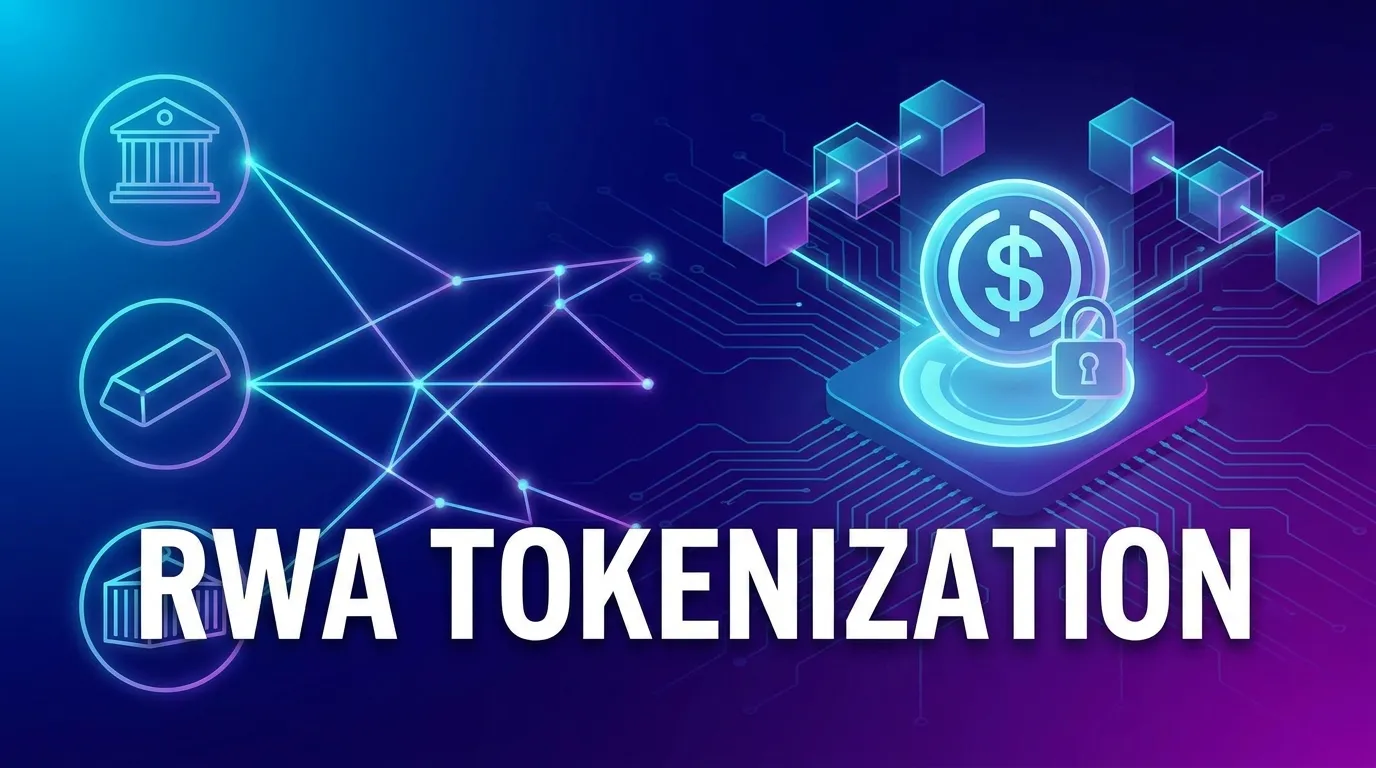
Real estate tokenization represents a paradigm shift in how physical assets are structured, traded, and governed within digital ecosystems. By embedding real estate into Web3 infrastructure, it transforms a traditionally rigid asset class into a flexible, programmable, and globally accessible financial instrument.
The ongoing convergence of blockchain technology, regulatory innovation, and financial engineering is positioning tokenized real estate as a cornerstone of decentralized capital markets. As infrastructure continues to evolve, its influence is likely to extend beyond investment, reshaping the fundamental dynamics of property ownership and economic participation in the digital age.




















Sign in to leave a comment.