

The rapid evolution of blockchain infrastructure has fundamentally changed how financial assets are issued, traded, and managed. One of the most influential developments in this transformation is tokenized finance, a framework where real-world and digital assets are represented as blockchain-based tokens. This paradigm shift is expanding the functional scope of decentralized systems and significantly increasing the demand for new cryptocurrency coins designed for specialized financial ecosystems.
Tokenized finance extends beyond the conventional boundaries of digital currency by embedding financial rights, ownership claims, and programmable compliance rules directly into blockchain tokens. As decentralized financial markets mature, new cryptocurrency coins are emerging as the operational backbone of tokenized ecosystems, enabling liquidity provisioning, governance participation, and settlement mechanisms across distributed networks. The resulting demand reflects not only technological innovation but also the structural reconfiguration of global financial infrastructure.
The Structural Foundations of Tokenized Finance
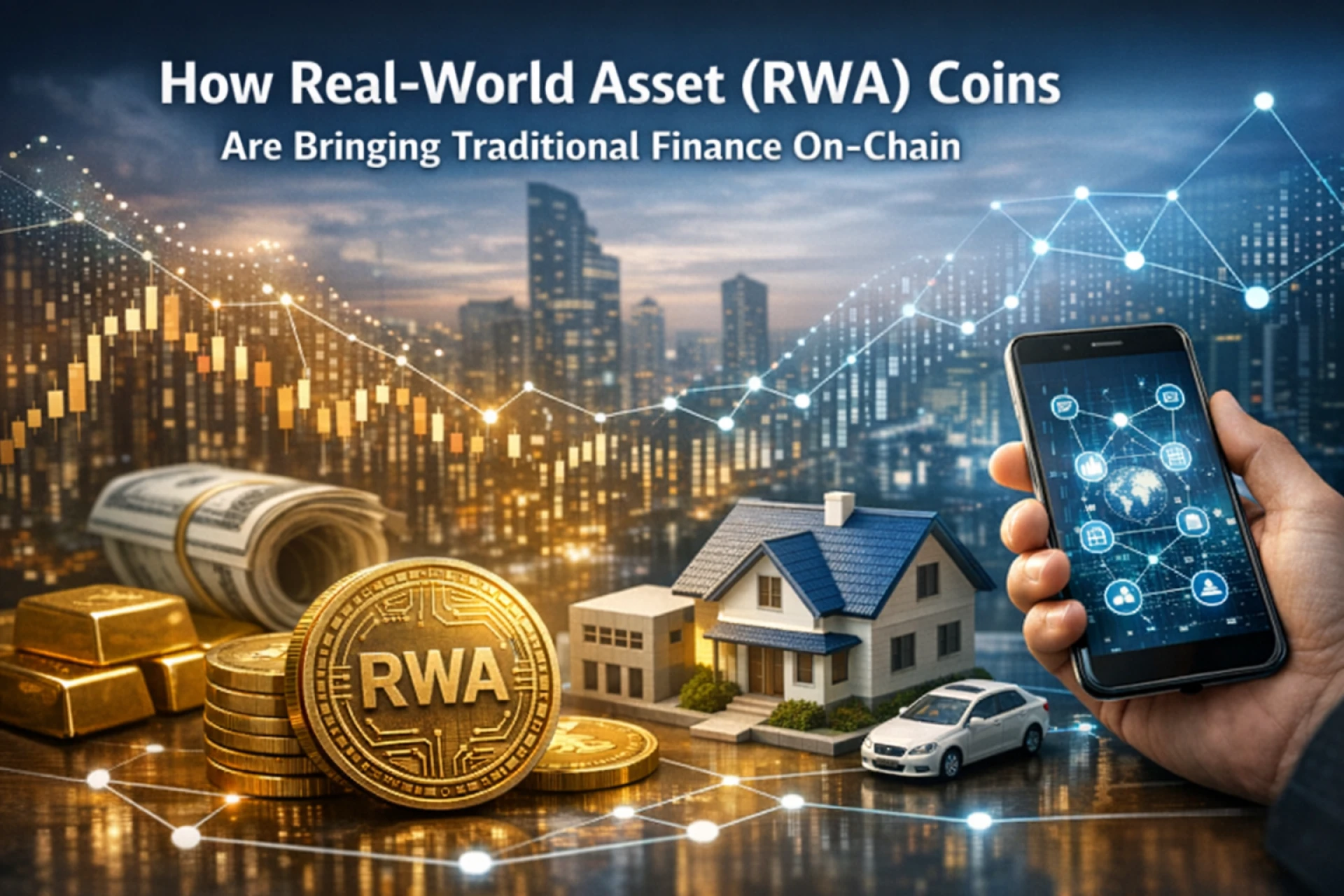
Tokenized finance refers to the process of converting traditional financial assets—such as equities, bonds, commodities, and real estate—into digital tokens that exist on distributed ledger networks. Each token represents a fractionalized or complete ownership claim on an underlying asset, recorded immutably through blockchain consensus mechanisms.
This process introduces several architectural advantages. First, tokenization enables fractional ownership, allowing assets traditionally limited to institutional investors to become accessible to broader market participants. Second, blockchain-based settlement reduces counterparty risk by enabling atomic transactions, where asset transfer and payment occur simultaneously within smart contracts. Third, tokenized finance enhances transparency through publicly verifiable transaction records while maintaining cryptographic security.
As these systems scale, the financial logic embedded within tokenized ecosystems often requires native digital currencies to facilitate operations such as transaction validation, network governance, and decentralized liquidity provisioning. Consequently, the growth of tokenized finance directly correlates with the increasing emergence of new cryptocurrency coins tailored for specific financial protocols and digital asset markets.
Key Financial Mechanisms Increasing the Need for New Cryptocurrency Coins
The expansion of tokenized finance introduces multiple operational requirements that stimulate the creation of new cryptocurrency coins within decentralized networks. These coins are not merely speculative assets; they often function as economic instruments that sustain blockchain-based financial architectures.
Several mechanisms illustrate how tokenized finance fuels this demand:
Protocol Governance Systems
Many tokenized finance platforms implement decentralized governance frameworks where stakeholders vote on network parameters, protocol upgrades, and treasury allocations. Governance tokens—often issued as new cryptocurrency coins—allow community-driven decision-making that replaces centralized administrative control.
On-Chain Liquidity Infrastructure
Decentralized exchanges and automated market makers depend on native tokens to facilitate liquidity pools and incentivize market participation. Tokenized finance platforms often deploy new cryptocurrency coins to reward liquidity providers and stabilize trading environments.
Transaction Settlement and Gas Fees
Blockchain networks require computational resources to process smart contract interactions. Native coins typically serve as the unit of payment for transaction validation and execution costs within tokenized financial ecosystems.
Collateralization in Decentralized Lending
In decentralized credit markets, cryptocurrency tokens are frequently used as collateral to secure loans or generate stable assets. New coins are introduced to support lending pools, yield mechanisms, and risk-adjusted collateral models.
These financial mechanisms demonstrate that tokenized finance is not only digitizing assets but also constructing entirely new economic layers that require dedicated digital currencies to function efficiently.
Institutional Adoption and the Evolution of Digital Asset Markets
Institutional interest has significantly accelerated the adoption of tokenized finance. Financial institutions, asset managers, and fintech firms are exploring blockchain-based tokenization as a method to modernize capital markets and streamline asset distribution. Tokenized securities, digital bonds, and programmable investment funds are increasingly being tested within regulated frameworks.
This institutional participation introduces new technical and compliance requirements. For example, tokenized financial assets must incorporate regulatory constraints such as identity verification, transfer restrictions, and jurisdictional compliance. Smart contracts enable these conditions to be encoded directly into digital tokens, ensuring automated enforcement of financial regulations.
To support such systems, specialized blockchain ecosystems are often developed with their own native tokens. These new cryptocurrency coins serve operational purposes ranging from network security to automated compliance management. In many cases, organizations seeking blockchain-based financial solutions collaborate with a crypto coin development company to architect custom tokens aligned with their economic and technical requirements.
As tokenized finance continues to integrate with existing financial markets, the demand for purpose-built blockchain currencies is expected to expand alongside new decentralized financial infrastructures.
Technological Drivers Supporting Tokenized Finance Growth
The continued rise of tokenized finance is supported by several underlying technological advancements that improve blockchain scalability, security, and interoperability. These innovations create an environment where the development of new cryptocurrency coins becomes both technically feasible and economically viable.
Key technological drivers include:
Smart Contract Automation
Advanced smart contract frameworks enable programmable financial logic, allowing tokenized assets to execute automated payments, dividend distributions, and governance actions without centralized intermediaries.
Layer-2 Scalability Solutions
Layer-2 networks reduce transaction congestion and fees by processing operations off-chain before final settlement on the primary blockchain. This scalability is essential for tokenized financial markets that require high transaction throughput.
Cross-Chain Interoperability Protocols
Interoperability technologies allow digital assets to move between multiple blockchain networks. This capability expands liquidity access and increases the functional utility of new cryptocurrency coins across decentralized ecosystems.
Decentralized Identity and Compliance Tools
Emerging identity verification systems enable regulatory compliance while preserving user privacy. These tools are critical for integrating tokenized financial instruments into regulated financial environments.
Together, these technological developments provide the infrastructure necessary for tokenized finance to evolve into a scalable and globally accessible financial architecture.
Tokenized finance is reshaping the digital asset landscape by transforming how financial instruments are issued, traded, and governed. As blockchain networks increasingly host tokenized versions of real-world assets, the demand for new cryptocurrency coins continues to grow. These coins function as the economic engines that power decentralized financial ecosystems, supporting governance, liquidity, and secure transaction settlement.
The ongoing convergence of financial innovation, blockchain scalability, and institutional adoption suggests that tokenized finance will remain a major catalyst for cryptocurrency development in the years ahead.
























Sign in to leave a comment.