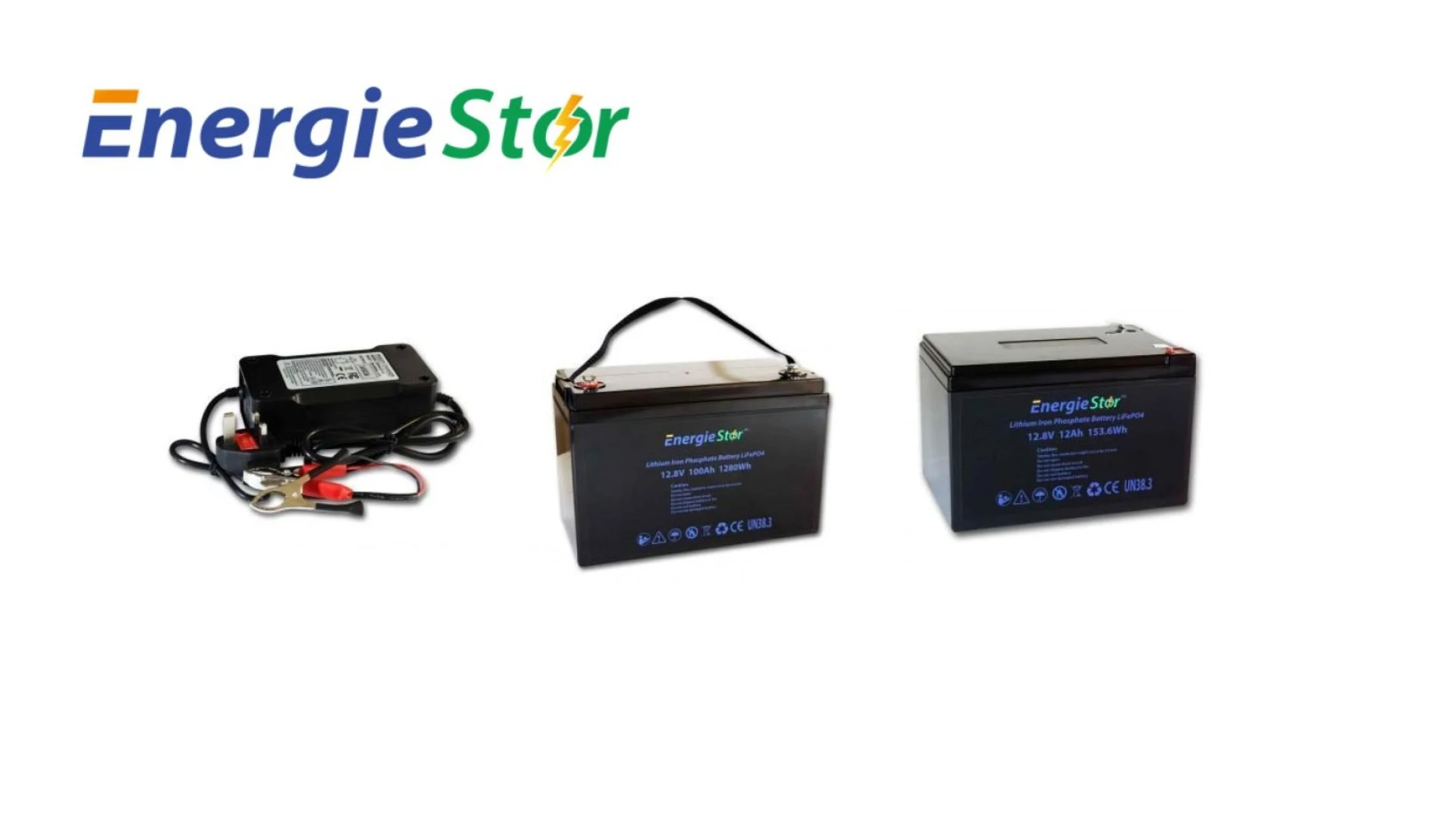

As energy needs continue to expand across homes, businesses, and recreational systems, many users are comparing long life lithium batteries with traditional power solutions such as lead acid batteries. While conventional battery types have been used for decades, modern lithium technology offers stronger performance, longer life, and increased efficiency. Understanding the differences can help you choose the most suitable option for your energy setup.
Understanding Traditional Power Solutions
Traditional power solutions, particularly lead acid batteries, have long been used in vehicles, backup systems, and off grid applications. They are affordable and widely available, but they come with limitations. Lead acid batteries have shorter cycle life, heavier weight, slower charging speed, and reduced efficiency when placed under high demand. They also require more maintenance and do not perform as well in deep discharge situations.
While they still serve many basic applications, they often struggle with modern energy requirements such as solar storage, high drain devices, and portable power.
What Sets Long Life Lithium Batteries Apart
Modern long life lithium batteries provide outstanding improvements in performance and durability. They deliver longer cycle life, faster charging, better stability, and consistent power output even during heavy usage. Many of these batteries use advanced lifepo4 chemistry, known for its safety, long term reliability, and resistance to overheating.
Unlike traditional batteries, long lasting lithium batteries can be deeply discharged without significant damage. This makes them ideal for applications that require frequent cycling, such as solar power systems, electric mobility, camping setups, and marine energy storage.
Weight, Efficiency, and Performance
One of the most noticeable differences between long life lithium batteries and traditional power sources is weight. Lithium batteries are significantly lighter, making installation easier and improving overall system efficiency. They also convert stored energy more effectively, providing higher usable capacity compared to lead acid batteries of the same rated size.
For example, a 60ah lithium battery can deliver more usable energy than a conventional 60ah lead acid battery because lithium maintains stable voltage throughout its discharge cycle. This makes lithium powered systems more reliable and predictable.
Faster and Smarter Charging
Charging speed is another major advantage of lithium technology. Traditional lead acid batteries often require long charging times and must be charged slowly to avoid damage. In contrast, lithium batteries charge faster and more efficiently, especially when paired with a dedicated lifepo4 lithium battery charger. These chargers support safe charging cycles, protect against overcharging, and help maintain battery health.
Using the correct charger ensures that your long life lithium batteries reach their full performance potential and support thousands of cycles over their lifespan.
Comparing Lifespan and Cost Effectiveness
While the upfront cost of lithium batteries is higher than traditional alternatives, they offer significantly better long term value. Lithium batteries can last several times longer than lead acid batteries, reducing replacement frequency and maintenance costs.
A high quality 12.8 v lifepo4 battery can last for many years with proper care. It withstands deep discharges and frequent cycling without degrading quickly. This extended longevity makes lithium batteries cost effective for high demand systems, even if the initial investment is greater.
Traditional solutions, on the other hand, often require periodic water refilling, corrosion checks, and earlier replacements, adding to long term expenses.
Safety and Environmental Benefits
Long life lithium batteries, especially those using lifepo4 chemistry, are known for their stability and safety. They are less prone to overheating and have strong resistance to thermal runaway. This makes them suitable for residential energy storage, recreational vehicles, and other environments where safety is essential.
In addition, their long lifespan reduces waste and environmental impact. Traditional battery types often contain hazardous materials and require more frequent disposal, contributing to pollution.
Versatile Applications
Lithium batteries suit a wide range of modern energy needs:
- Solar energy systems
- Portable power stations
- Electric scooters and bikes
- Marine electronics
- Recreational vehicles
- Household backup power
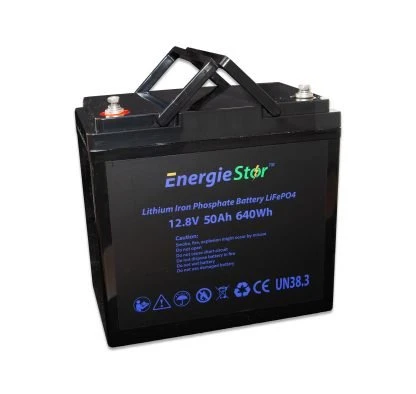
A 60ah lithium battery works well in medium sized systems, while a 12.8 v lifepo4 battery is ideal for solar storage, small backup setups, and mobility devices. With a reliable lifepo4 charger, users can build flexible energy systems that remain stable for years.
Which Option Should You Choose
The choice between long life lithium batteries and traditional power solutions largely depends on your requirements. If you need affordable, short term energy storage with minimal cycling, traditional batteries may serve you adequately. However, if you prefer long lasting, maintenance free, high performance power, lithium batteries are the superior choice.
More users are shifting to long lasting lithium batteries because they offer better reliability, longer lifespan, and lower long term cost. They also support modern electronics and renewable energy systems more effectively than outdated technology.
Final Thoughts
In the comparison of long life lithium batteries vs traditional power solutions, lithium clearly delivers stronger performance, greater efficiency, and improved safety. Whether you are powering a solar home system, a portable device, or a recreational vehicle, lithium technology offers unmatched value and long term reliability.
With the right battery, supported by a proper lifepo4 lithium battery charger, you can enjoy years of stable and efficient power that traditional solutions simply cannot match.


























Sign in to leave a comment.