

The loss of teeth might not be a cosmetic problem, but its effects extend well beyond the aesthetic. The loss of teeth may influence the condition of the jaw, mouth, chewing capacity, face, oral health, diet, and health. The most popular and enduring method for replacing missing teeth has become dental implants, not only as a way to provide patients with a much better appearance, but also as a long-term health benefit. Dental implants function like natural tooth roots and blend with the jawbone, unlike dentures or bridges. This is unsurpassed in terms of stability, endurance, and health benefits.
1. Prevention of Jawbone Loss
One of the most important long-term benefits of dental implants Woodbridge VA is their ability to preserve and stimulate jawbone growth.
How Tooth Loss Leads to Bone Loss
When a tooth is missing:
- The jawbone in that area no longer receives stimulation.
- Within the first year, patients can lose up to 25% of bone density.
- Over time, the jawbone shrinks, leading to facial collapse.
How Implants Help
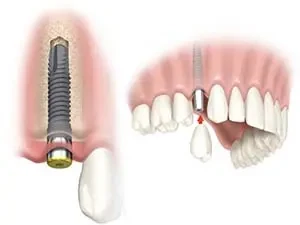
Dental implants integrate with the jawbone through osseointegration, functioning like natural tooth roots. This:
- Maintains bone density
- Prevents bone resorption
- Supports the structure of the face
No other tooth-replacement method prevents bone loss as effectively as implants do.
2. Improved Oral Health and Hygiene
Dental implants significantly contribute to maintaining long-term oral health.
No Damage to Neighboring Teeth
Traditional bridges require filing down adjacent healthy teeth. Over the years, this can lead to:
- Tooth sensitivity
- Increased risk of decay
- Structural weakening
Implants stand independently and do not require altering nearby teeth.
Lower Risk of Gum Disease
Missing teeth create gaps where:
- Food particles accumulate
- Bacteria multiply
- Gum infections develop
By filling these gaps, implants:
- Reduce bacterial buildup
- Protect gums from recession
- Lower the risk of periodontal disease
3. Restore Natural Chewing Ability
Chewing is not just about eating; it impacts digestion, nutrition, and long-term health.
Problems Caused by Missing Teeth
Patients without stable teeth often face:
- Difficulty chewing hard foods
- Avoidance of fruits, vegetables, and proteins
- Digestive problems due to improper chewing
How Implants Help
Dental implants function like real teeth and restore up to 90–100% of natural bite force. This:
- Allows eating all types of food
- Supports digestive health
- Helps maintain a balanced diet and healthy weight
4. Maintain Facial Structure and Appearance
Long-term tooth loss causes the facial muscles and bones to collapse inward.
Effects of Bone Loss on Facial Appearance
- Premature wrinkles
- Sunken cheeks
- Drooping jawline
- Older, aged appearance
Role of Implants
By preserving bone volume and supporting facial muscles, dental implants help:
- Maintain youthful facial contours
- Prevent sagging or hollow facial features
- Enhance overall facial aesthetics
This long-term benefit improves not only physical appearance but also mental confidence.
5. Long-Term Stability and Durability
Dental implants are designed to last a lifetime, making them one of the most durable dental solutions.
Why Implants Last So Long
- Made from titanium or zirconia (biocompatible materials)
- Do not decay like natural teeth
- Strong foundation through bone integration
With proper care, implants can last 25+ years or even a lifetime, unlike dentures or bridges that need frequent replacements.
6. Enhanced Speech Over the Years
Speech problems are common in people with missing teeth or loose dentures.
Common Speech Issues
- Slurring
- Lisping
- Clicking sounds
- Difficulty pronouncing words
How Implants Improve Speech
Implants remain firmly in place, enabling:
- Clear pronunciation
- Stable tongue movement
- No slipping or shifting
Dental crowns in Woodbridge Va lead to long-term improvements in communication and confidence.
7. Prevent Shifting of Adjacent Teeth
Missing teeth create empty spaces. Over time, neighboring teeth start drifting into the gaps, leading to:
- Crooked teeth
- Misaligned bite
- Jaw joint issues
- Increased risk of decay
Dental implants act as natural tooth roots and keep surrounding teeth properly aligned. This prevents long-term orthodontic problems and maintains a balanced bite.
8. Reduced Risk of TMJ Disorders
TMJ (temporomandibular joint) problems often develop when missing teeth cause an imbalanced bite.
Symptoms Include:
- Jaw pain
- Headaches
- Clicking sounds
- Difficulty opening or closing the mouth
How Implants Help
By restoring a proper bite and preventing shifting of teeth, implants:
- Reduce strain on the jaw joint
- Prevent long-term TMJ issues
- Improve chewing and speech mechanics
9. Better Overall Physical Health
Poor oral health has been linked to several systemic conditions.
Missing Teeth Increase Health Risks
- Heart disease
- Diabetes complications
- Digestive disorders
- Malnutrition
- Poor immune response
Implants Promote Better Health
By enabling proper chewing and maintaining oral cleanliness, implants help:
- Improve nutrition
- Reduce bacterial infections
- Support stronger immunity
- Lower inflammation in the body
Healthy teeth contribute directly to a healthy body.
10. Long-Term Psychological and Emotional Benefits
Many people underestimate the emotional impact of missing teeth.
Issues Caused by Tooth Loss
- Low confidence
- Avoiding smiling
- Social anxiety
- Self-consciousness while eating or talking
How Implants Transform Lives
Dental implants restore the natural appearance and function of teeth, leading to:
- Increased self-esteem
- More social confidence
- Positive self-image
- Improved mental well-being
These psychological benefits last a lifetime.
11. Lower Long-Term Maintenance Costs
While implants have a higher upfront cost, they are more cost-effective in the long run.
Why Implants Save Money Over Time
- No need for replacements every few years
- No special adhesives required
- Fewer dental visits for repairs
- Reduced risk of oral health problems
In the long term, implants are the most affordable and reliable solution.
A Health Investment That Lasts a Lifetime
Dental implants are more than a cosmetic solution—they are an investment in long-term oral and overall health. From preventing bone loss to improving nutrition, stabilizing facial structure, maintaining oral hygiene, and enhancing confidence, implants offer unmatched benefits. For anyone dealing with tooth loss, lake ridge smiles is offering a permanent, safe, and life-changing restoration option.
FAQs
Do dental implants really last a lifetime?
Yes. With proper care, dental implants can last a lifetime because they integrate directly with the jawbone. The crown may need to be replaced every 10–15 years due to wear, but the implant post itself is designed to be permanent.
How do dental implants prevent bone loss?
Dental implants act like natural tooth roots. They stimulate the jawbone through chewing and pressure, preventing bone shrinkage and maintaining strong bone density over time. No other tooth replacement method offers this benefit.
Are dental implants healthier than dentures in the long run?
Absolutely. Implants preserve jawbone health, offer better chewing capability, prevent facial sagging, and reduce gum irritation. Dentures, on the other hand, may accelerate bone loss and require frequent adjustments.
Can dental implants help improve nutrition?
Yes. Because implants restore natural bite force, you can chew food more effectively. This allows you to eat a wider variety of nutritious foods like fruits, vegetables, nuts, and lean meats, improving digestion and overall health.

































Sign in to leave a comment.