
This is one of the most common things we hear from men who come to us after months, sometimes years, of trying to conceive. The semen analysis report showed numbers that were borderline or okay. The doctor said there was nothing obviously wrong. And yet, the couple was still stuck.
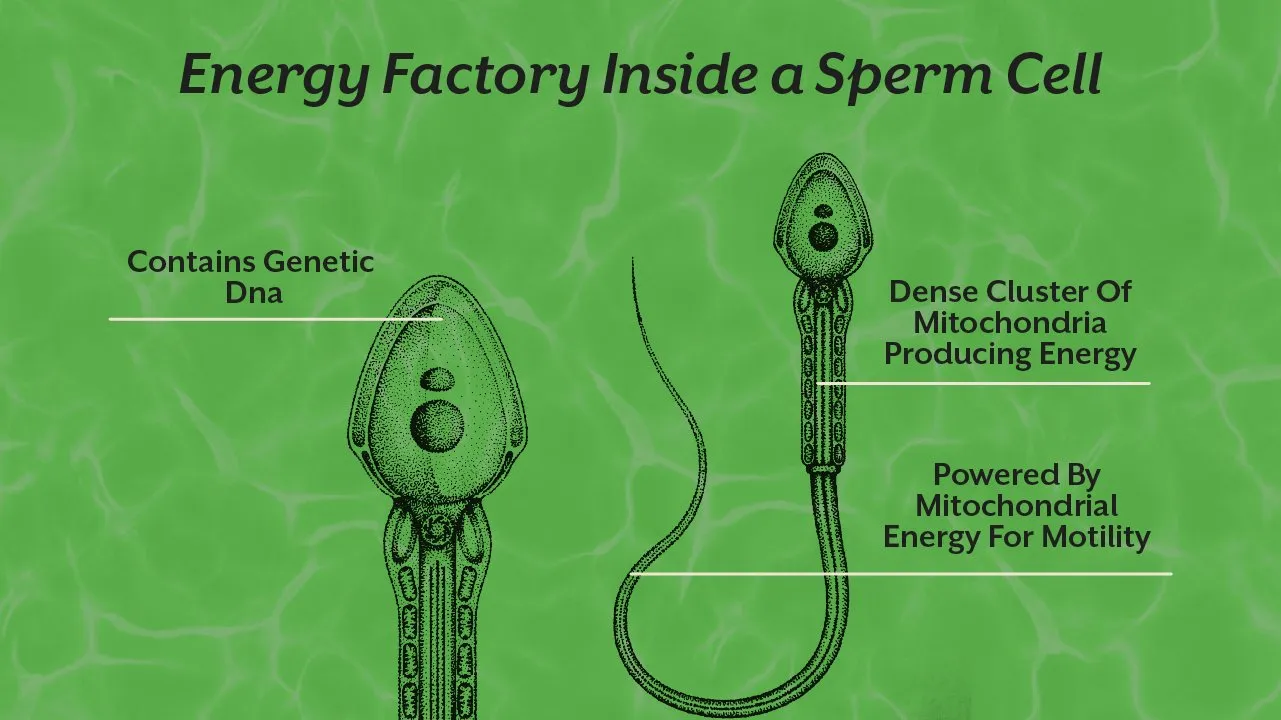
Here is the thing that most standard fertility check-ups do not tell you. Sperm count is just one number on a page. It tells you how many sperm are present. It does not tell you whether those sperm have enough energy to reach the egg. It does not tell you whether the DNA inside those sperm is intact. And it definitely does not tell you why any of these problems are happening in the first place.
Male fertility is deeply connected to how well your body produces energy at the cellular level. When that process is off, even a "normal" count can mean very little.
In this article, we are going to break down the 5 nutrients that directly support sperm health, why they matter, what goes wrong when they are low, and what you can do about it. We will also talk about why nutrition alone is not the full picture, and what a proper root-cause approach actually looks like.
Why Sperm Health Is Really an Energy Problem
Before we get to the nutrients, let us quickly understand what sperm actually needs to do its job.
A sperm cell has to swim, sometimes for a long distance, through a hostile environment, protect its genetic material the whole time, and then successfully fertilize an egg. That requires a massive amount of energy for such a tiny cell.
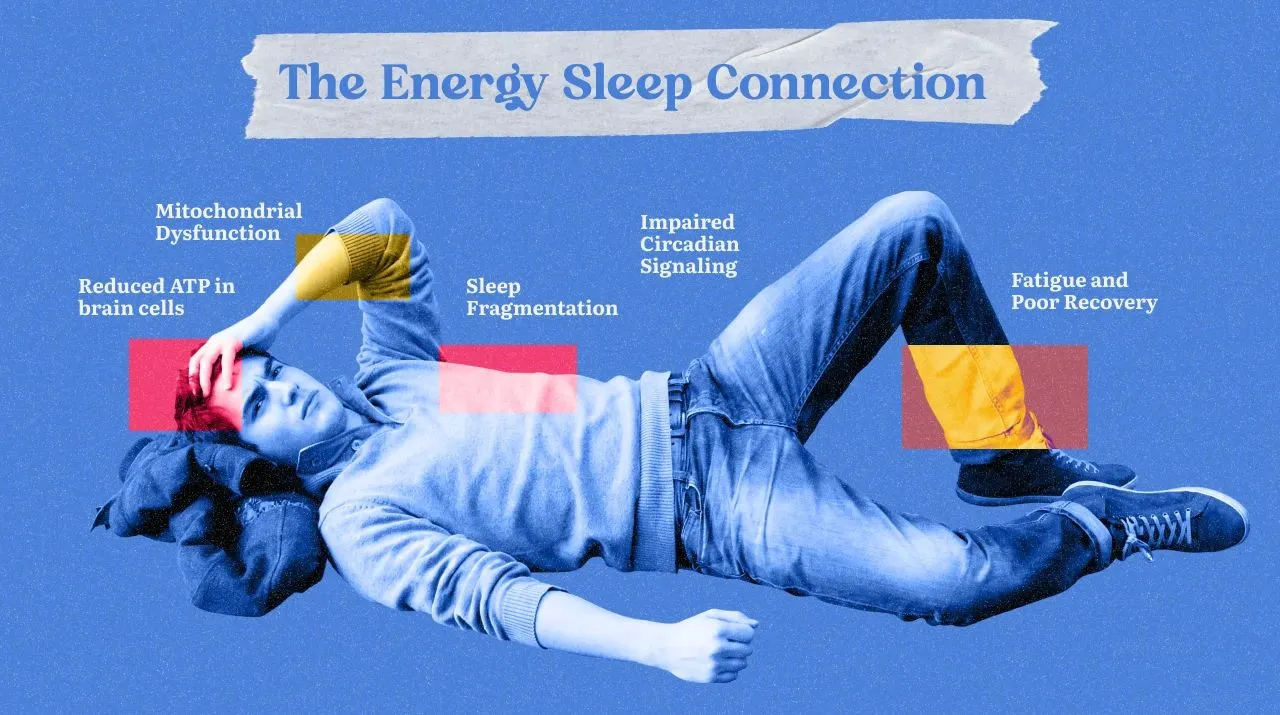
That energy comes from mitochondria. Mitochondria are the parts of your cells that produce fuel. Every sperm cell has a cluster of mitochondria sitting right in its midsection, specifically because motility (the ability to swim) depends on a constant energy supply.
When mitochondrial function goes down, sperm lose their swim power. They move slowly, in circles, or not at all. The membranes around them become fragile. The DNA inside them becomes prone to damage.
This is what we see again and again when we work with men experiencing fertility challenges at iThrive Healing and Beyond. The surface-level report does not show anything alarming, but when you look deeper at cellular energy, oxidative stress, and micronutrient levels, the actual problem becomes very clear.
And here is the important part. The nutrients we are going to cover do not just "boost fertility" in some vague way. Each one plays a very specific role in keeping sperm cells energized, protected, and structurally sound.
The 5 Nutrients That Support Sperm Health From the Inside Out
H2: 1. Zinc: The Foundation of Sperm Development
If there is one nutrient that shows up repeatedly in conversations about male reproductive health, it is zinc. And there is a very good reason for that.
Zinc is involved in making testosterone. It plays a role in how sperm cells form and mature. It supports the enzymes that protect sperm from oxidative damage. And it is part of the process your body uses to repair DNA.
When zinc levels drop, several things happen. Testosterone production can fall. Sperm count tends to go down. The shape of sperm (what doctors call morphology) can become abnormal. And the protective systems that guard sperm DNA get weaker.
What is interesting is that zinc deficiency is much more common than most people realise. Stress depletes it. Poor gut absorption reduces it. A diet heavy in processed food almost never provides enough of it. Many men who eat reasonably well are still not getting sufficient zinc because the foods they rely on are not particularly rich in it, or their body is not absorbing it properly.
Foods like pumpkin seeds, oysters, red meat, and lentils contain zinc. But for men dealing with an active fertility challenge, food sources alone are often not enough to restore adequate levels. This is where targeted supplementation, guided by an actual assessment of your levels, becomes relevant.
H3: What Low Zinc Actually Looks Like
It is not always obvious. Some men notice reduced libido. Others see changes in energy. Some have no symptoms at all until a proper blood panel flags a deficiency. This is exactly why guessing and supplementing without knowing your levels is not the right approach. You need to know where you actually stand.
H2: 2. Coenzyme Q10: The Fuel Cell Inside Every Sperm
CoQ10 is not a vitamin in the traditional sense. It is a compound your body makes naturally, and it sits at the heart of how your mitochondria produce energy.
Think of CoQ10 as a shuttle that carries electrons through a chain of reactions inside the mitochondria, producing ATP (the energy molecule) as a result. Without enough CoQ10, that chain slows down. Energy output drops. And for sperm cells, which are entirely dependent on mitochondrial energy for movement, this is a serious problem.
Multiple studies have found that men with low sperm motility tend to have lower CoQ10 levels in their seminal fluid. When CoQ10 is restored through supplementation, improvements in both motility and sperm concentration have been observed.
CoQ10 also acts as an antioxidant inside the mitochondrial membrane itself, protecting it from the kind of damage that disrupts energy production over time.
Here is the tricky part. Your body produces less CoQ10 as you age. Statin medications deplete it significantly. High oxidative stress burns through it faster than the body can replace it. So even men who eat a good diet can end up running low if any of these factors are present.
H3: Why CoQ10 Matters More After 30
Sperm quality is closely tied to cellular energy capacity. After age 30, CoQ10 production naturally declines. This does not mean fertility is lost, but it does mean the body needs more nutritional support to maintain the same quality of sperm production it managed a decade earlier. This is one reason we see so many men in their mid-thirties who have been told everything "looks fine" but are still struggling.
H2: 3. L-Carnitine: The Transporter Sperm Cannot Do Without
L-Carnitine has one very specific and critical job inside the body. It carries fatty acids into the mitochondria so they can be burned for fuel.
Sperm cells in particular rely on this process heavily. The epididymis (the tube where sperm mature and are stored) has one of the highest concentrations of L-Carnitine in the entire body. That is not a coincidence. It reflects how much sperm depend on carnitine-driven fat metabolism for their energy supply.
When carnitine levels are low, sperm motility suffers in a measurable way. The cells are basically fuel-starved. They are present, they may look normal on a standard scan, but they cannot perform the sustained swimming activity needed for fertilization.
Research consistently shows a link between lower carnitine levels and reduced sperm motility and count. Restoring carnitine through targeted supplementation has been shown to improve both.
For men who follow a primarily plant-based or vegetarian diet, this is especially worth paying attention to. Carnitine is found mainly in red meat and animal products. Plant-based diets provide very little of it, and while the body can produce some on its own, the amount is often insufficient to meet the demands of optimal reproductive function.
H2: 4. Selenium: The Structural Protector
Selenium is a trace mineral, meaning the body only needs it in small amounts. But those small amounts are doing very important work.
Selenium is a core component of glutathione peroxidase, which is one of the main antioxidant enzymes your body uses to protect cells from oxidative damage. In the context of sperm, this protection is particularly important because sperm membranes are rich in fats that are highly vulnerable to oxidative attack.
When selenium is low, that protective system weakens. Sperm become more susceptible to DNA fragmentation. Their membranes become more fragile. And this shows up as reduced motility and poorer morphology.
Selenium also plays a role in thyroid hormone metabolism. This matters for fertility because thyroid function directly influences hormone balance, including the hormones that regulate sperm production. A thyroid that is slightly underactive (and many people do not even know theirs is) can quietly affect reproductive outcomes through multiple pathways, selenium being one of them.
Brazil nuts are the richest dietary source of selenium, but soil depletion in many regions means the selenium content of food has dropped considerably over recent decades. This is one of those nutrients where a proper assessment often reveals levels that are lower than expected.
H2: 5. Omega-3 Fatty Acids: What Sperm Membranes Are Made Of
The outer membrane of a sperm cell is built largely from a specific type of omega-3 fatty acid called DHA (docosahexaenoic acid). This is not optional. DHA is structurally essential to how sperm membranes function.
Membrane fluidity, which refers to how flexible and responsive the membrane is, directly affects a sperm cell's ability to fuse with an egg during fertilization. A stiff, inflamed membrane makes that process harder. A healthy, well-nourished membrane makes it easier.
Omega-3 fatty acids also reduce inflammatory signaling in the body broadly. Chronic low-grade inflammation is increasingly recognised as a major driver of poor reproductive outcomes in both men and women. When inflammation is high, it disrupts hormone signaling, increases oxidative stress, and directly damages reproductive cells over time.
For men with low fish intake or high intake of processed oils (which are rich in omega-6 fatty acids), the omega-3 to omega-6 ratio is often badly skewed. This imbalance quietly feeds inflammation and affects cell membrane quality across the body, including in sperm.
Your Sperm Report Does Not Show the Whole Story
One of the most frustrating experiences for men (and couples) dealing with fertility challenges is being told that test results are normal when something is clearly not right.
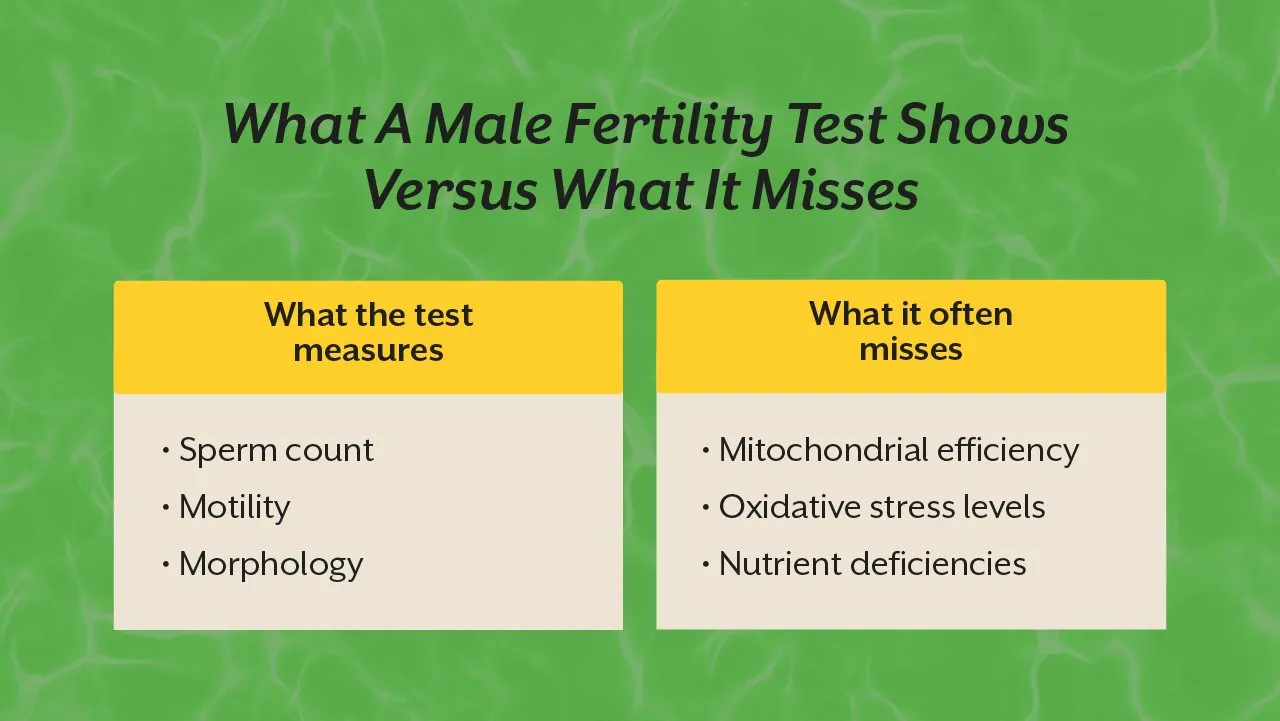
A standard semen analysis measures three things: how many sperm are present (count), how fast and well they swim (motility), and what shape they are (morphology). These are useful numbers. But they tell you nothing about why those numbers are what they are.
They do not measure oxidative stress levels in seminal fluid. They do not assess mitochondrial function. They do not check DNA fragmentation. And they do not flag whether the micronutrient levels supporting all of these processes are adequate.
This gap between what the test shows and what is actually happening inside the body is where most men get stuck. They are told nothing is wrong, so nothing gets addressed. And the underlying issues continue.
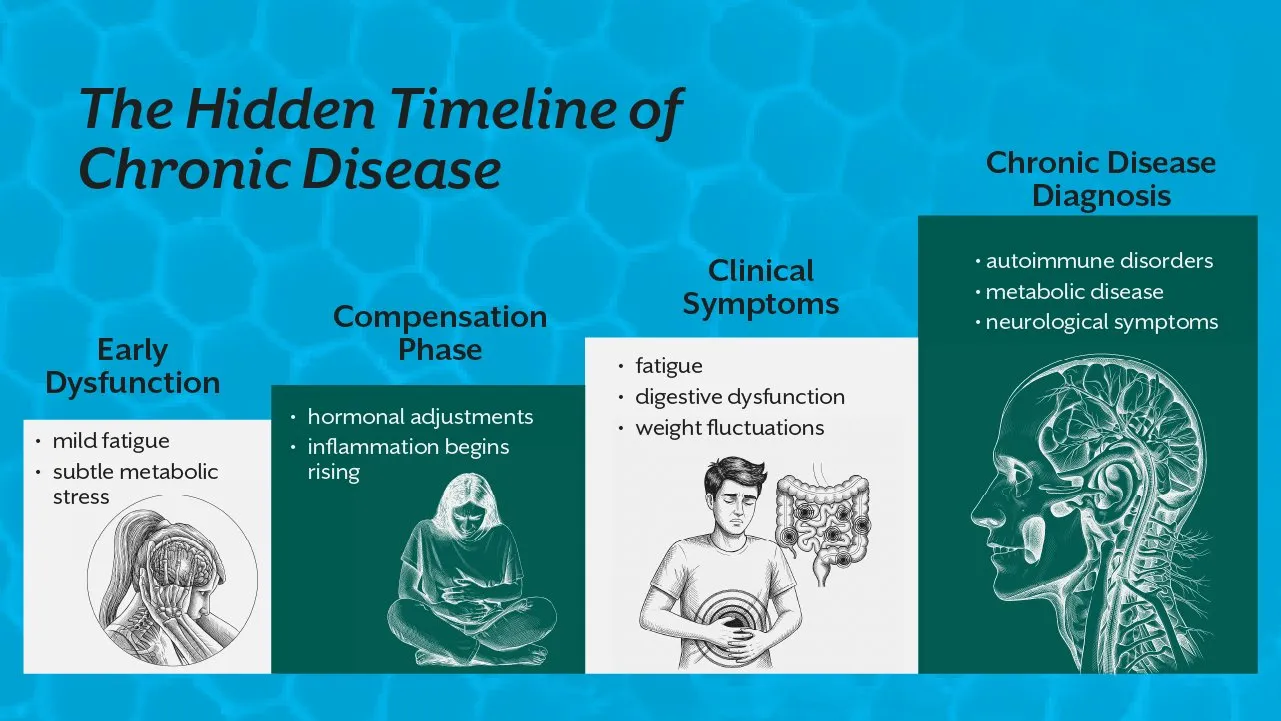
A proper functional assessment looks at the full picture. Nutrient levels, inflammatory markers, hormonal balance, metabolic health, gut function, and lifestyle patterns all feed into reproductive outcomes. Addressing just one of these in isolation, or waiting until numbers on a basic report are bad enough to warrant treatment, often means missing years of opportunity to actually fix what is wrong.
If you want to understand what is actually driving your fertility picture, a thorough root cause evaluation is the right starting point. You can explore what that looks like at iThrive Healing and Beyond.
Nutrition Supports Fertility. It Does Not Work Alone.
We want to be clear about something. These five nutrients are genuinely important. Restoring them when they are depleted does make a real difference to sperm quality. But they are not magic pills, and taking a supplement without understanding your actual levels or your overall health picture is not the same as addressing the problem properly.
Sperm production takes around 72 to 90 days from start to finish. That means any change you make today will not show up on a semen analysis for roughly three months. Consistency matters more than intensity.
Beyond nutrients, sperm quality is shaped by:
Sleep quality: poor or disrupted sleep reduces testosterone production and raises cortisol, both of which affect sperm output.
Blood sugar regulation: insulin resistance is linked to lower testosterone and increased oxidative stress.
Gut health: a compromised gut reduces how well you absorb the very nutrients we have been discussing.
Stress load: chronic stress raises cortisol, which suppresses the hormonal signals that drive sperm production.
Environmental exposures: plastics, pesticides, and certain chemicals in everyday products contain compounds that mimic or interfere with reproductive hormones.
Addressing all of these together is what produces lasting change. Targeted nutrition is one layer of that. A well-structured approach that looks at metabolic health, gut function, lifestyle patterns, and supplementation as a whole is what actually moves the needle.
Frequently Asked Questions About Low Sperm Count and Nutrition
H3: Can nutrients really improve sperm count?
Yes, but with an important clarification. Nutrients do not "add" sperm in a direct way. What they do is restore the internal conditions your body needs to produce healthy sperm efficiently. When deficiencies are corrected and oxidative stress is reduced, sperm production and quality often improve significantly over a three-month cycle.
H3: How long does it take to see improvement?
Sperm take approximately 72 to 90 days to mature fully. That means any nutritional changes you make will take about three months to show up on a semen analysis. This is why consistency over several months matters more than short bursts of supplementation.
H3: Should I just take all five supplements together?
Not necessarily. The right approach depends on what you are actually deficient in. Taking nutrients you do not need, or in wrong amounts, is not helpful and can occasionally cause problems. A proper assessment of your current levels is the most effective starting point.
H3: Is low sperm count always caused by nutrition?
No. There are structural causes (like varicoceles or blockages), hormonal causes (like low testosterone or elevated FSH), and genetic factors that nutrition cannot address. However, nutritional and metabolic factors are among the most common and most overlooked drivers of poor sperm quality. Even in cases where there are structural issues, overall cellular health still matters.
H3: Can stress cause low sperm count?
Yes. Chronic stress raises cortisol, which suppresses the hormonal signals (LH and FSH) that drive sperm production. It also increases oxidative stress and depletes key micronutrients like zinc and magnesium. Managing stress is not a soft suggestion. It is a real part of male fertility care.
H3: What is azoospermia and can nutrition help?
Azoospermia means no sperm are detected in semen. The causes are varied and include both obstructive and non-obstructive types. In non-obstructive cases where hormonal or metabolic dysfunction is involved, nutritional and lifestyle interventions may support the underlying systems. But azoospermia requires proper medical investigation first.
H3: Is this relevant for men above 40?
Very much so. CoQ10 production declines with age. Mitochondrial efficiency tends to decrease. Sperm DNA fragmentation rates tend to rise. For men in their 40s, supporting cellular energy and antioxidant defences becomes even more important than it is for younger men.
What a Real Root Cause Approach Looks Like
At iThrive, we have worked with men across a wide range of fertility challenges over many years. The cases that actually get better are not the ones where someone adds a generic fertility supplement to their routine. They are the cases where we take the time to understand what is actually happening inside the body.
That means looking at inflammatory markers. Checking micronutrient levels properly. Assessing metabolic function, gut health, and hormonal balance. And then building a personalised plan that addresses what is actually off, not what we assume might be off.
The men who see real change are the ones who stop waiting for a report to get bad enough to "qualify" for treatment, and start asking a better question: what is my body actually trying to tell me right now?
If that question resonates with you, the right next step is to get a proper evaluation. You can learn more about how we approach this at iThrive Healing and Beyond and start asking the questions that your standard report never addressed.
Key Takeaways
Low sperm count is not just a number problem. It is usually a signal that something in the body's internal environment is not working as it should.
The five nutrients we covered in this article (zinc, CoQ10, L-Carnitine, selenium, and omega-3 fatty acids) each support sperm health through a distinct and important mechanism. They protect sperm from damage, fuel their movement, support their structural integrity, and create the hormonal conditions needed for healthy production.
But nutrients are most effective when used as part of a broader approach that addresses metabolic health, lifestyle factors, and underlying deficiencies identified through proper testing.
If you have been going in circles with your fertility journey and the standard answers are not enough, a deeper investigation into what is actually driving your results is the most useful thing you can do next.


























Sign in to leave a comment.