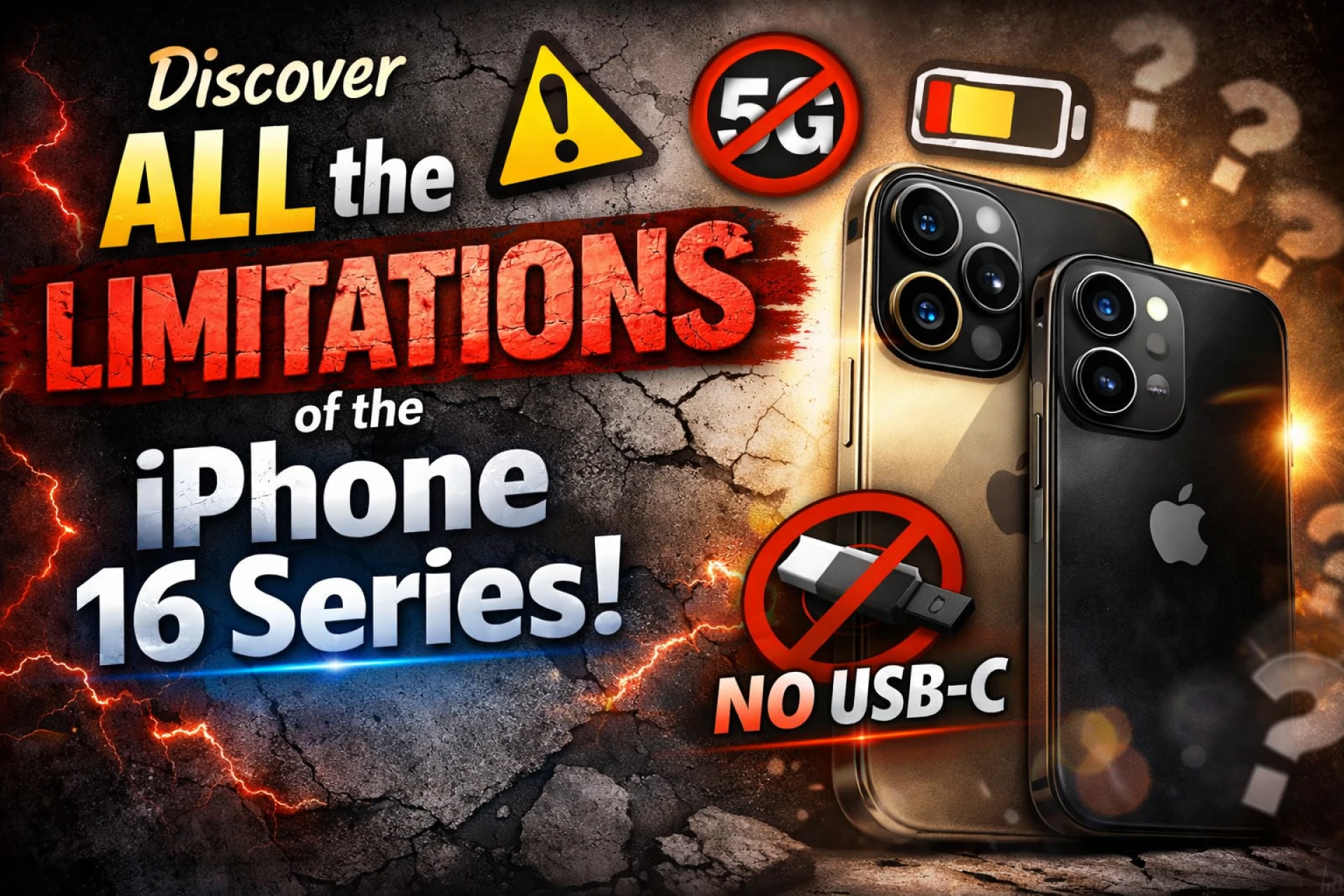

The launch of a new iPhone is always a landmark event in the tech world, often setting the pace for the entire smartphone industry. The iPhone 16 series arrived with promises of deeper AI integration, refined hardware, and the much-touted Camera Control button. However, as the initial excitement settles, users and critics alike have begun to identify several persistent bottlenecks. While Apple continues to polish its ecosystem, certain hardware and software limitations prevent the device from reaching its full potential.
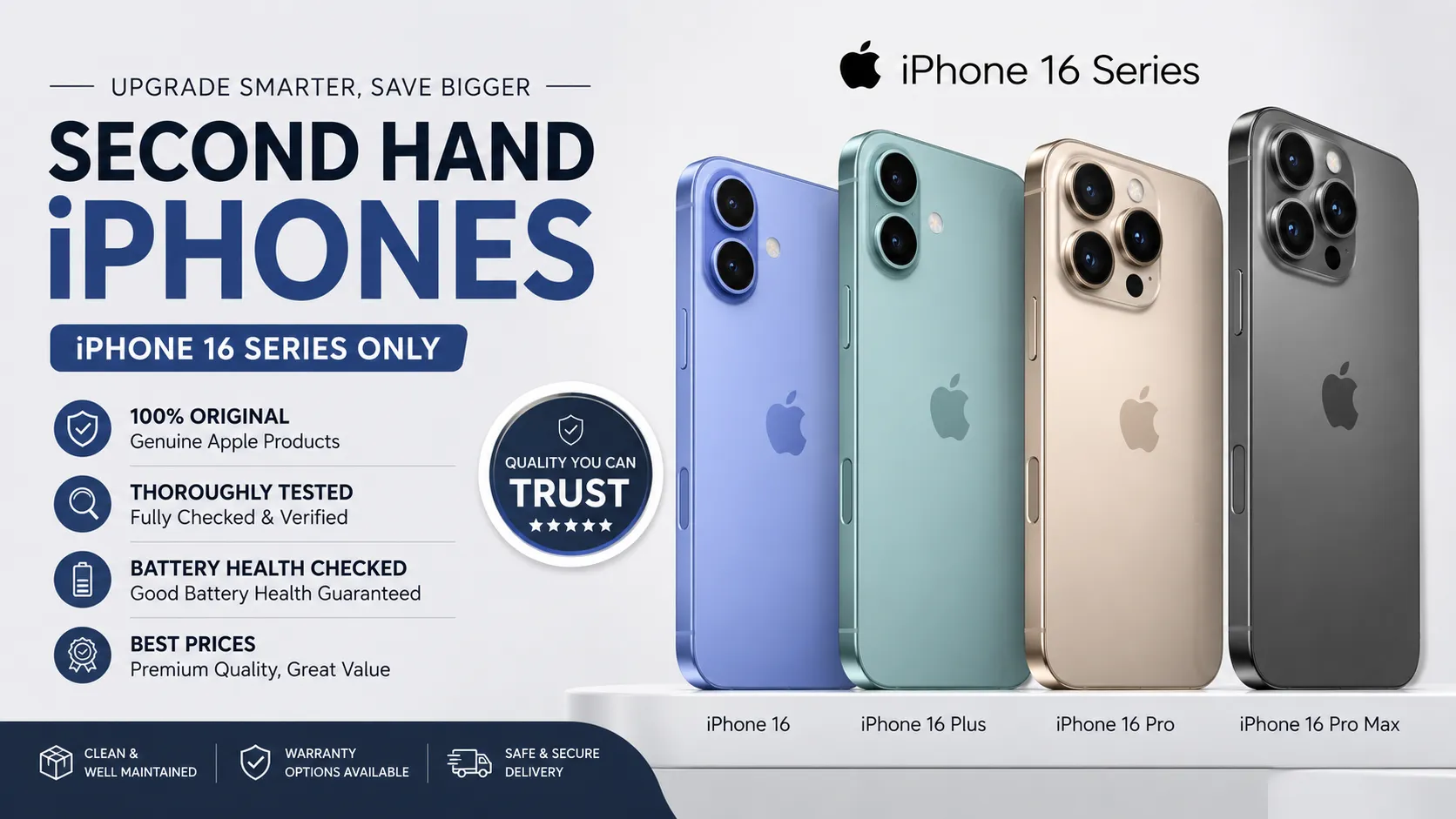
For many consumers, these limitations make the high entry price of a brand-new unit difficult to justify. This has led to a significant surge in interest for more sustainable and cost-effective alternatives. In the current market, savvy shoppers are increasingly looking for a second hand iphone in india through trusted platforms like EasyPhones, where they can access premium tech without the "early adopter" tax.
The 60Hz Display Dilemma in a High-Refresh World
Perhaps the most glaring limitation of the standard iPhone 16 is its 60Hz refresh rate. In an era where even entry-level Android smartphones offer 90Hz or 120Hz displays, Apple’s decision to gate the "ProMotion" technology behind the Pro models feels increasingly restrictive. A 60Hz screen impacts the fluidity of scrolling, animations, and gaming, making the device feel slower than it actually is.
While the A18 chip is objectively powerful, the lack of a high-refresh-rate display means users don't "feel" that speed in daily interactions. For those who want the modern aesthetics of the latest series but find the retail price of the base model steep for such dated display specs, opting for an iphone 16 refurbished is a much smarter financial move. It allows users to stay current with Apple’s latest design language while acknowledging that the hardware isn't quite at the "cutting edge" of display technology.
Charging Speeds and Data Transfer Bottlenecks
While the transition to USB-C was a welcome change forced by regulation, Apple has been conservative with its implementation. The standard iPhone 16 is still limited to USB 2.0 data transfer speeds. For creators who frequently move large video files or high-resolution photos to a computer, this creates a significant bottleneck. Furthermore, while competitors are pushing charging speeds upwards of 60W or even 100W, Apple remains tethered to much slower cycles.
The frustration of waiting over an hour for a full charge is a legitimate pain point in a fast-paced world. This hardware plateau is one reason why many enthusiasts prefer to shop at EasyPhones. By choosing high-quality pre-owned devices, users can accept these universal iPhone limitations more easily, knowing they didn't pay a massive premium for features that still feel a generation behind the competition.
The Slow Rollout of Apple Intelligence
The iPhone 16 was marketed heavily as the first device "built from the ground up" for Apple Intelligence. However, at launch, many of the most transformative AI features were missing, relegated to future software updates. This "wait-and-see" approach to software means that early adopters are essentially beta testers for a promise rather than a finished product.
The limitation here isn't just the software's absence, but its regional availability and language constraints. For a global audience, buying a phone for features that might not be fully functional for months—or years—is a tough pill to swallow. If the goal is to experience these AI features eventually without the massive upfront investment, looking for an iphone 16 pro refurbished provides the necessary hardware (like the A18 Pro chip) to handle future updates at a much more reasonable price point.
Thermal Management and Sustained Performance
With great power comes great heat. The A18 and A18 Pro chips are marvels of engineering, but the compact chassis of the iPhone 16 often struggles with thermal dissipation during intense tasks. Users have reported noticeable throttling during extended gaming sessions or when recording 4K video. While Apple has introduced a new internal thermal substrate, the physical constraints of the slim design still limit how long the processor can run at peak performance.
This limitation highlights a broader trend: Apple’s hardware is often more powerful than its cooling systems can handle. For the average user, this might not be a dealbreaker, but for power users, it’s a reminder that the iPhone experience is often about balance rather than raw, sustained power.
The Value Proposition and the Refurbished Advantage
When we look at these limitations—the 60Hz screen, the slow charging, and the staggered AI rollout—it becomes clear that the "perfect" iPhone doesn't exist. Instead, the best experience is often found by maximizing value. This is where EasyPhones excels, providing a bridge between premium aspiration and practical budgeting.
By addressing these hardware gaps through a value-oriented lens, consumers can enjoy the reliability of the Apple ecosystem without the sting of "missing" features that haven't quite caught up to the price tag. Whether it is through rigorous testing or transparent grading, choosing a refurbished path ensures that you get a device that has been vetted for quality, helping you navigate the limitations of the iPhone 16 series with your wallet intact.
























Sign in to leave a comment.