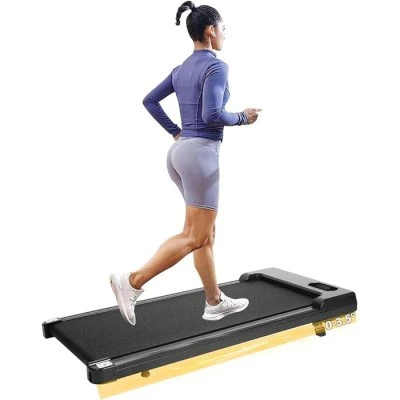

If you’re building a home gym or simply want to stay active indoors, a treadmill is likely at the top of your list. But should you go for a manual treadmill or an electric one? While motorised treadmills tend to dominate most gyms, manual models still have their fans — and for good reason. Both types have their strengths, depending on your fitness goals, budget, and available space.
Power Source and Control
Manual treadmills are powered entirely by your own movement. The running belt moves only when you walk or run, so the pace is fully controlled by your stride. This makes it more physically demanding, offering a workout that engages more muscles and burns more calories.
Electric treadmills, on the other hand, are powered by a motor. You can adjust both the speed and incline at the touch of a button, allowing for consistent pacing and varied training intensities — ideal for running programmes or endurance workouts.
User Experience
With a manual treadmill, you’re in control. Because there’s no motor, the experience feels more natural, and the lighter belt impact can be gentler on your knees. However, starting and maintaining speed requires more effort, so it’s better suited for walking, light jogging, or interval-style workouts.
Electric treadmills provide a smoother and more comfortable experience. The belt runs continuously, helping you maintain a steady rhythm. You can fine-tune your speed and incline, making it perfect for longer, high-intensity sessions or structured training plans.
Features and Functionality
Manual models tend to be simpler — most display essential stats like time, distance, and calories burned. Some allow you to adjust the incline manually, but advanced features are limited.
Electric models come with a wealth of features, including automatic incline control, preset training modes, and advanced digital displays showing heart rate, speed, distance, and calories. Some even connect to fitness apps or smart devices for real-time progress tracking.
Price, Size, and Maintenance
If you’re short on space or on a tighter budget, a manual treadmill might be the smarter choice. They’re lightweight, compact, and don’t require electricity — perfect for small flats or home offices.
Electric treadmills, while pricier and bulkier, deliver a richer workout experience with more flexibility. However, they do require more maintenance and need a dedicated spot near a power source.
Pros and Cons at a Glance
Manual Treadmill
✅ Affordable and energy-saving
✅ Compact and easy to move
❌ Limited speed and fewer features
❌ Harder to sustain fast runs
Electric Treadmill
✅ Smooth and adjustable performance
✅ Advanced features and training options
❌ More expensive and heavier
❌ Requires electricity and more space
Final Thoughts
Both manual and electric treadmills have their place in a modern home gym. If you value simplicity, affordability, and a self-powered challenge, a manual treadmill is a great fit. But if you’re aiming for versatility, comfort, and professional-level features, an electric treadmill is well worth the investment.
At Home Pet Essentials, we offer expert advice and a carefully curated selection of home fitness equipment designed for every lifestyle. Whether you’re taking your first steps towards better health or upgrading your training setup, we’ll help you find the treadmill that keeps you moving — comfortably and confidently.

































Sign in to leave a comment.