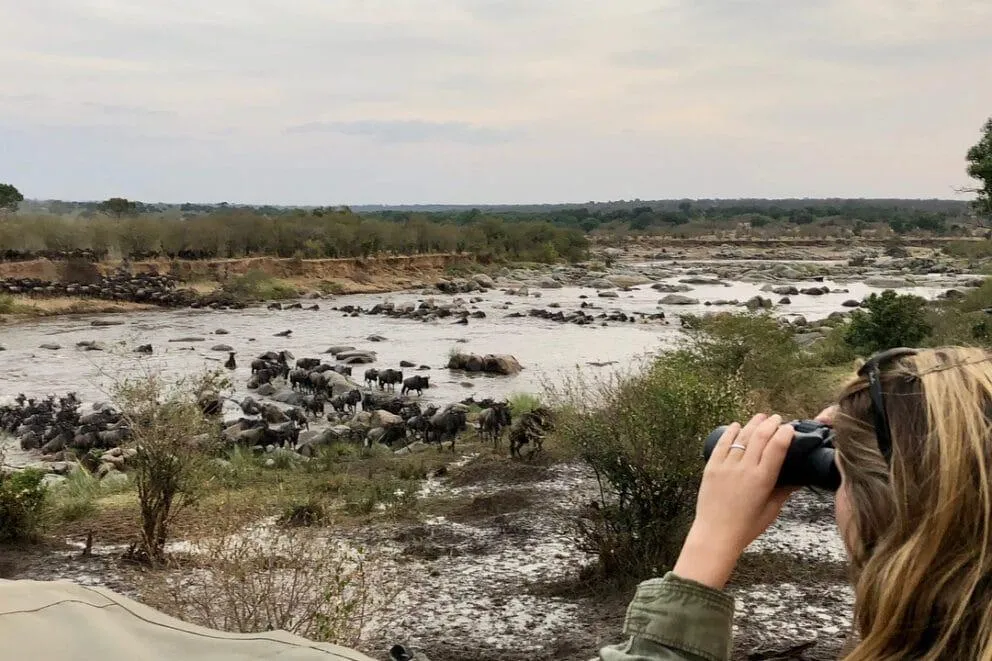

The wildebeest migration Masai Mara experience is one of the most anticipated wildlife spectacles in Kenya, particularly for travelers hoping to witness herds crossing the Mara River. But as October approaches, an important question comes up: are Mara River crossings still possible in October 2026?
The short answer is yes, crossings can still happen in October, but they become increasingly unpredictable as the migration season progresses. Kenya's official tourism information identifies July through October as the main period for experiencing the Great Wildebeest Migration in the Maasai Mara.
Why October Can Still Offer Migration Sightings
The Great Migration is not governed by a fixed calendar. Wildebeest move through the Serengeti-Mara ecosystem in response to rainfall, fresh grazing, and water availability.
October falls toward the later part of the traditional migration period in the Masai Mara. By this time, some herds may already have begun moving south toward the Serengeti, while others can remain in the Mara ecosystem.
This creates an important distinction for safari planning: October does not mean that the migration has completely ended. Instead, the probability and location of major crossings can change from week to week.
Can the Mara River Still Be Crossed in October?
Yes. Historical migration guidance from Magical Kenya places the Mara's migration season broadly between July and October, while noting that October is when herds begin turning south toward the Serengeti.
That means October visitors can still encounter wildebeest around the Mara River and, potentially, witness a crossing. However, there is no guaranteed date, time, or crossing point.
The animals may gather along the river for hours or days before moving. They can also change direction without warning, making patience an essential part of the experience.
Why Crossings Are Difficult to Predict
Several natural factors influence whether a crossing takes place.
Rainfall and Water Levels
Rainfall affects both grazing conditions and river conditions. The availability of fresh grass can encourage herds to remain in an area, while changing weather can encourage them to continue their journey.
Herd Movement
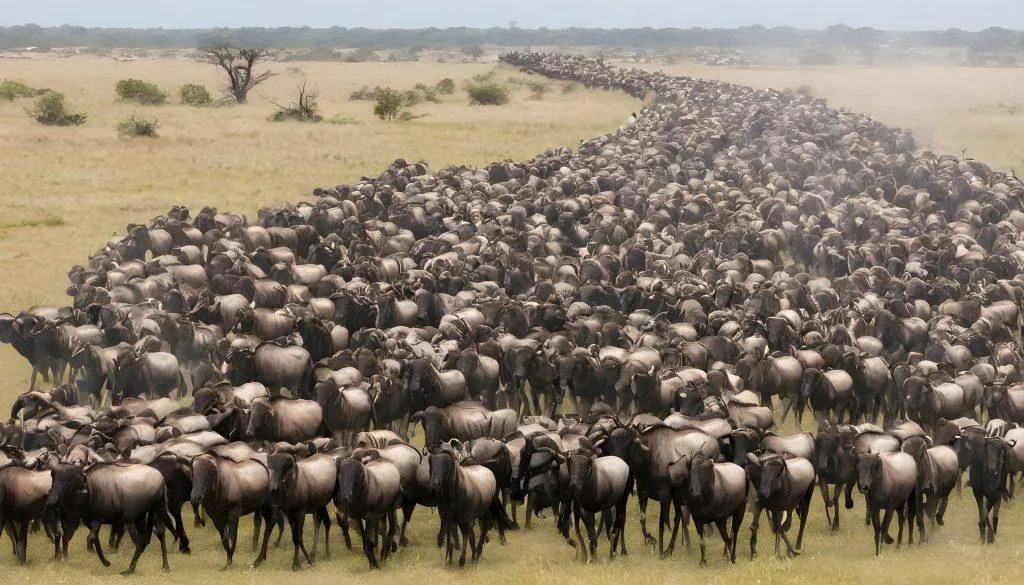
The migration is a continuous movement rather than a single mass procession. Different groups can be spread across a large area, meaning that one section of the Mara may have large herds while another has very few.
Natural Behavior
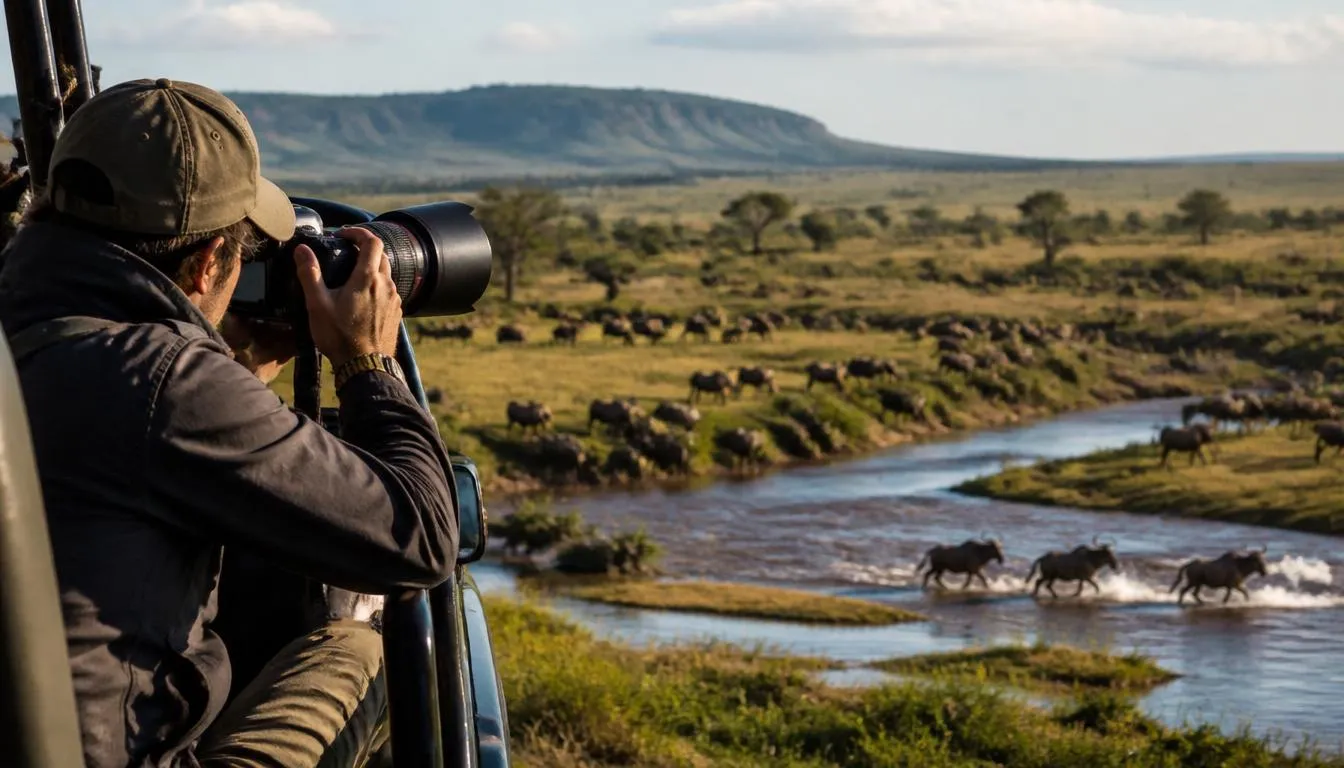
Even when wildebeest are gathered near the river, they may hesitate before crossing. Herds can approach the water, retreat, regroup, and attempt another crossing later.
This unpredictability is one of the reasons experienced guides emphasize reading current conditions rather than relying entirely on a published migration calendar.
Is October a Good Month for a Migration Safari?
For travelers with flexible expectations, October can still be an excellent time to visit the Masai Mara.
The official Kenyan tourism information describes July through October as the principal period for experiencing the Great Migration, with October representing the later part of this window.
However, travelers whose primary goal is specifically to photograph a dramatic Mara River crossing should understand that October carries more uncertainty than the earlier peak migration months.
If a river crossing is your top priority, building flexibility into the itinerary is more useful than expecting one particular day to deliver the event.
How to Improve Your Chances in October 2026
There is no method that can guarantee a river crossing, but several planning strategies can improve your opportunities.
Stay close to likely migration areas: Choosing accommodation with good access to the Mara River can reduce travel time when fresh sightings are reported.
Allow several days: A longer stay provides more opportunities to respond to herd movements and changing conditions.
Work with experienced guides: Local guides can use recent sightings and knowledge of animal behavior to determine where to search.
Stay flexible: Be prepared to change your game-drive plans based on where the herds are located.
Don't focus only on crossings: Even if a crossing does not happen during your visit, October can provide excellent opportunities to see wildebeest, predators, elephants, big cats, and other wildlife.
What Happens After the Crossings?
As the migration cycle progresses, herds gradually begin moving southward toward the Serengeti. This does not mean wildlife suddenly disappears from the Masai Mara.
The reserve supports abundant resident wildlife throughout the year. Lions, leopards, cheetahs, elephants, buffalo, hippos, crocodiles, and numerous other species can still provide memorable sightings after the main migration activity decreases.
This is why a well-planned October safari should be viewed as a broader wildlife experience rather than a single-event trip.
Final Verdict: Are October 2026 Crossings Possible?
Yes, Mara River crossings are still possible in October 2026, but they cannot be guaranteed.
October remains within the recognized July-to-October migration period, but it is toward the end of the traditional window. Some herds may still be in the Masai Mara, while others may already be beginning their return toward the Serengeti.
For travelers planning a wildebeest migration Masai Mara safari in October 2026, the best approach is to combine a suitable location, multiple safari days, experienced guides, and realistic expectations.
The beauty of the Great Migration is that it follows nature rather than a timetable. A crossing may happen when you least expect it—and that unpredictability is part of what makes witnessing the Mara River crossings so extraordinary.























Sign in to leave a comment.