

Selecting the right natural stone for residential or commercial architectural projects requires balancing aesthetic ambitions with long-term functional performance. Marble and granite remain the two most sought-after premium surfaces worldwide, yet they possess distinct geological characteristics, wear tolerances, and financial profiles. Evaluating how both materials perform under daily stress and cost constraints ensures that property owners, architects, and interior designers make informed structural investments.
Geological Origins and Structural Differences
The fundamental difference in performance between marble and granite stems directly from their geological formation. Granite is an igneous rock formed deep beneath the Earth's crust through the slow crystallization of molten magma over millions of years. This process creates a dense composition rich in quartz, feldspar, and mica, resulting in exceptional structural hardness.
Marble is a metamorphic stone that originates from sedimentary limestone or dolomite subjected to intense heat and pressure over geological eras. This recrystallization process forms a crystalline structure primarily composed of calcium carbonate ($CaCO_3$). While this mineral structure gives marble its characteristic fluid veining and luminescence, it also renders the surface inherently softer and chemically reactive compared to quartz-dense igneous formations.
Durability and Wear Resistance
Durability in natural stone encompasses hardness, resistance to physical impact, scratch tolerance, and resilience against chemical weathering.
Scratch and Heat Resistance
On the Mohs scale of mineral hardness, granite rates between 6 and 7, while marble measures between 3 and 5. Because granite contains abundant quartz, it exhibits exceptional resistance to scratching from metal utensils, kitchen knives, and abrasive cleaning tools. Granite also easily tolerates high temperatures, allowing hot cookware to rest briefly on its surface without causing thermal shock or scorch marks.
Marble is comparatively tender. Contact with sharp or abrasive objects can cause micro-scratches on polished finishes. Marble also handles moderate heat well, but sudden temperature shifts or direct contact with extremely hot pans can cause discoloration or localized cracking over extended periods.
Porosity and Chemical Reactivity
Both stones are naturally porous, but their absorption rates and chemical responses differ significantly. Granite features tight crystalline interlocks, which limit fluid penetration once properly sealed. It resists household oils, wine, and standard acidic substances effectively.
Marble contains calcium carbonate, making it chemically vulnerable to acid exposure. Liquids such as lemon juice, vinegar, wine, and carbonated beverages cause an irreversible reaction known as acid etching, which removes the top polish and leaves dull matte spots. Regular sealing reduces fluid absorption, but it cannot fully prevent surface etching when acids remain in prolonged contact with untreated marble.
Maintenance Requirements and Surface Longevity
Preserving the structural integrity and finish of natural stone requires tailored care routines based on mineral composition.
Granite requires low-to-moderate maintenance. Standard installations benefit from an initial application of an impregnating sealer, followed by reapplication every two to three years depending on traffic density. Daily cleaning requires nothing more than pH-neutral liquid soap and warm water.
Marble demands dedicated, proactive care. Beyond standard annual or biannual sealing, marble surfaces require immediate cleanup of any fluid spills, particularly acidic or oil-based compounds. Restoring etched or heavily scratched marble requires specialized diamond honing and mechanical repolishing by stone restoration professionals.
Direct Cost Comparison
The total financial commitment for natural stone involves material procurement, fabrication precision, edge profiling, and long-term upkeep.
Material and Installation Expenses
Standard granite slabs generally feature lower base extraction and transport costs due to extensive global quarry distribution and high block yield stability. Slabs typically range from moderate to high prices based on color rarity, pattern uniformity, and quarry origin.
Marble pricing varies widely based on quarry rarity, background purity, and veining symmetry. High-demand varieties, such as pure white calcite stones or distinctive dramatic vein profiles, command significant market premiums. Furthermore, because marble is more brittle during cutting and edge fabrication, fabrication labor costs are frequently higher to account for specialized tooling and careful handling.
Long-Term Value and Return on Investment
Granite provides exceptional lifecycle value in high-traffic environments, commercial lobbies, and active kitchen countertops because its low maintenance profile minimizes ongoing repair expenses. Marble offers unmatched architectural prestige, commanding substantial property valuation increases in luxury bathrooms, custom fireplace surrounds, feature walls, and executive boardrooms where visual elegance outweighs high-impact mechanical wear.
Selecting the Right Surface for Your Project
Choosing between these two stones depends on functional placement, environmental exposure, and design vision.
- Kitchen Countertops and Food Preparation Zones: Granite remains the practical choice due to its scratch resistance, stain tolerance, and imperviousness to daily food acids.
- Master Bathrooms, Vanities, and Powder Rooms: Marble excels in moisture-rich, low-abrasion settings where soft veining and refined finishes elevate the space.
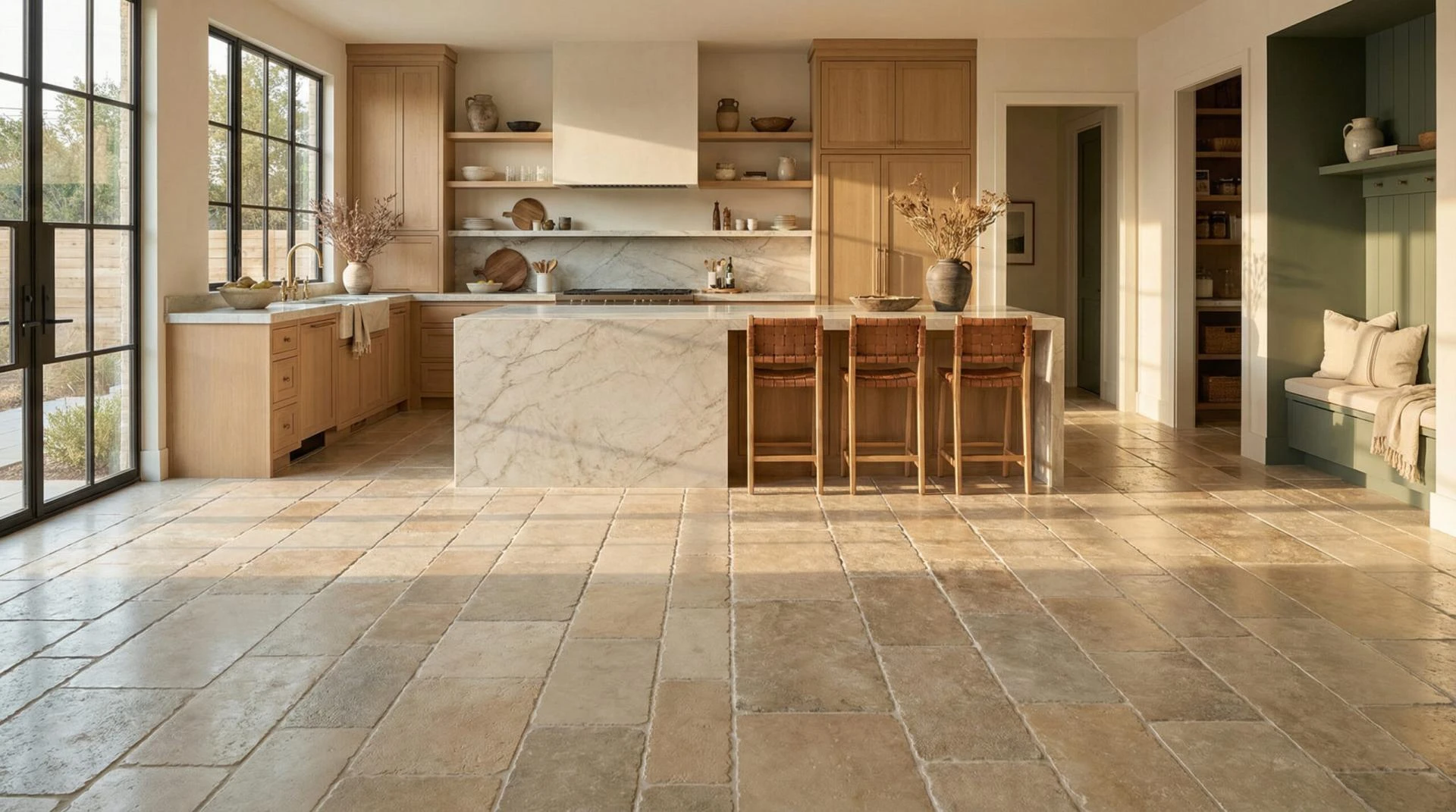
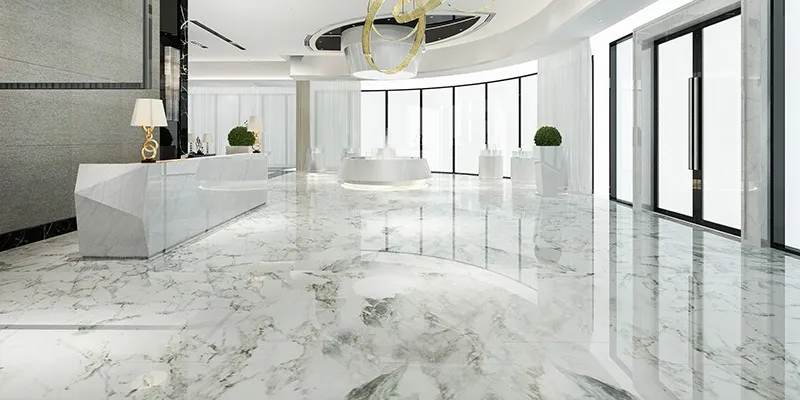
- High-Foot-Traffic Flooring: Granite tiles provide long-lasting surface gloss under heavy pedestrian footfall, whereas honed marble flooring provides slip resistance and classic warmth in formal residential entryways.
- Commercial Interiors and Wall Cladding: Both materials deliver distinctive architectural appeal, with granite selected for exterior facades and marble favored for interior accent paneling.
Sourcing high-grade blocks that meet international grading standards is crucial for guaranteeing mineral density, structural stability, and authentic color consistency. Choosing a reputable granite exporter in India provides builders access to high-yield quarry selections capable of enduring demanding architectural applications. Similarly, partnering with an established marble exporter in India ensures precision cutting, standardized slab thickness, and consistent aesthetic quality across large-scale design undertakings.





















Sign in to leave a comment.