Masonry construction has kept New York City buildings standing for over a century. Good masonry requires the right materials, techniques, and a masonry contractor NYC that understands what durable construction actually looks like in practice. Whether you are planning a new build, dealing with deteriorating masonry on an existing property, or trying to understand what your building actually needs, in this guide, Reliance Construction NY covers everything worth knowing about masonry construction done properly.
What Makes Masonry Construction Last
Not all masonry work ages the same way. Buildings put up fifty years ago with proper technique and the right materials are still standing solid today. Others built more recently with shortcuts and wrong materials are already showing serious problems. The difference comes down to a few things that a masonry contractor Queens focuses on from the very start of every job.
What durable masonry construction depends on:
- Materials chosen specifically for the climate and the load the structure carries
- Mortar mix that suits the age and type of masonry being used
- Proper preparation of the surface or foundation before any new material goes on
- Waterproofing is applied correctly so moisture cannot work its way into the structure
- Curing time is respected, so the mortar reaches its full strength before being exposed to the weather
Types of Masonry Construction and Where They Apply
Brick Construction
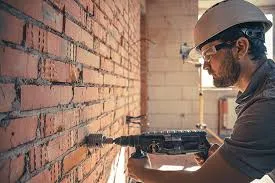
Brick is the most common material used in masonry construction. It is used on exterior walls, chimneys, decorative features, and interior elements on both homes and commercial buildings. New brick construction and repair work on existing brick both require the same attention to mortar selection and joint preparation.
Concrete Block Construction
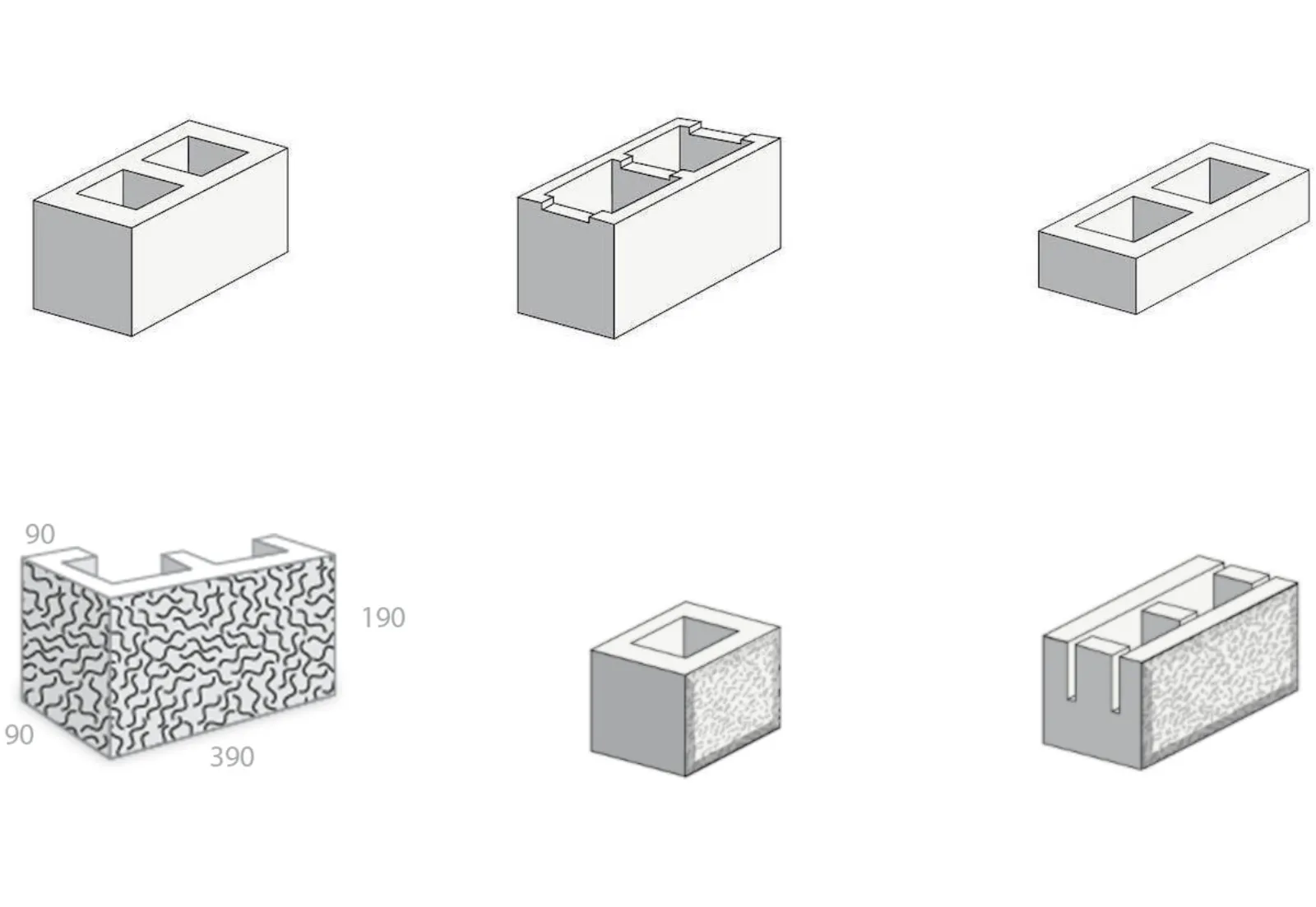
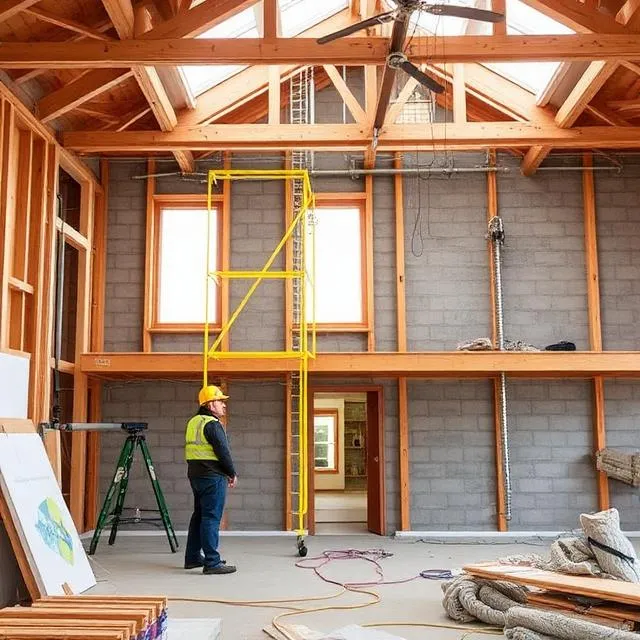
Block work handles the structural jobs that require serious load-bearing capacity. Foundations, basement walls, retaining structures, and the cores of larger buildings all commonly use concrete block. A NYC masonry contractor working on new construction uses block regularly as the structural backbone before any finishing material goes on.
Stone Construction
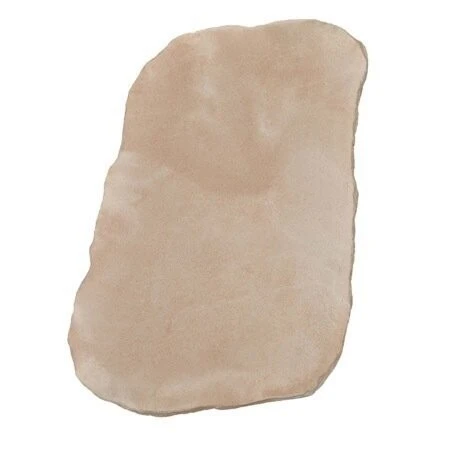
Stone is the most demanding masonry material to work with well. Each piece is different and fitting them together properly so the wall is both structurally sound and visually clean takes real skill. Stone gets used for walls, steps, pathways, and decorative veneers on residential and commercial properties.
Parging and Stucco
A mortar coat applied over an existing masonry surface protects it from moisture and gives it a finished appearance. It is common on foundation walls and older exterior masonry that needs protection without full reconstruction.
Common Masonry Problems and What Causes Them
Understanding what goes wrong with masonry helps property owners catch problems early before they become expensive.
Problems to watch for:
- Cracking mortar joints that let water directly into the wall
- Spalling brick faces caused by freeze thaw damage over multiple winters
- Efflorescence white chalky staining that means water is moving through the masonry
- Bulging or bowing walls that have separated from the backing structure
- Foundation cracks that start small and spread further every season they are ignored
Why Waterproofing Is Part of Every Quality Masonry Job
Water causes more masonry failures than anything else. A Masonry Contractor Queens who finishes a repair or new build without proper waterproofing is leaving the work exposed to the exact thing that will break it down fastest. Sealing mortar joints, applying protective coatings, and managing drainage around masonry structures are all part of construction that actually holds up long term.
Build It Right the First Time
Masonry construction done with the right materials and proper technique is one of the most durable investments a property owner can make. Reliance Construction NY handles masonry construction across the area on homes and commercial properties. Reach out today and get an honest assessment of what your project actually needs before any work begins.























Sign in to leave a comment.