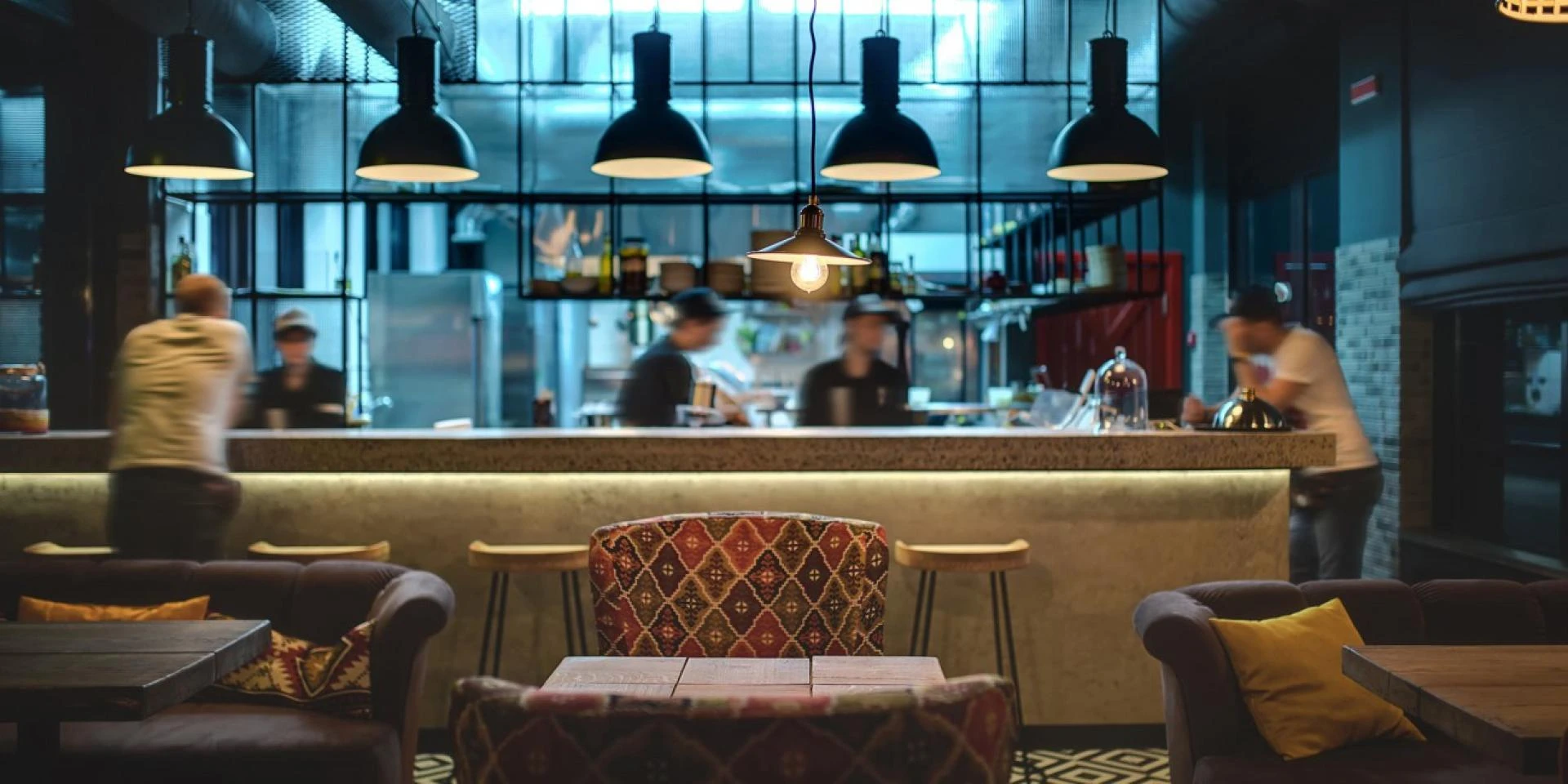

Running a restaurant is about much more than just serving great food. Energy costs can eat into profits without most owners even realizing it. With rising utility prices, restaurant energy management has become critical in maintaining profitability. Every detail matters when reducing overhead expenses, from energy-efficient refrigeration to smart energy systems for restaurants.
According to a study by the U.S. Energy Information Administration, cooking alone accounts for 40% of the energy restaurants use, followed by refrigeration at 15% and space heating at 12%.
This means that restaurants end up paying thousands more than necessary without a clear energy strategy. The good news is that cutting energy costs is not as complicated as it seems. With the right approach, restaurants can lower expenses, reduce carbon emissions, and improve their overall efficiency.
How Energy Monitoring for Restaurants Creates Immediate Savings
One of the biggest obstacles in reducing energy costs is knowing where the energy is going. Energy monitoring for restaurants provides real-time insights into energy consumption, allowing owners to spot inefficiencies and adjust their operations accordingly. Many modern monitoring tools track electricity, gas, and water usage, offering comprehensive data that helps identify excessive consumption.
For example, a restaurant using smart energy systems for restaurants can program kitchen equipment to power down during off-peak hours. This simple yet very effective adjustment can help save hundreds of dollars annually. Additionally, monitoring systems can alert staff when equipment is left running unnecessarily, leading to a more disciplined approach to energy use.
Simple Ways to Achieve Restaurant Utility Cost Reduction
Cutting down on energy expenses does not mean making drastic changes. Small, strategic shifts in daily operations can add up over time. Here are a few restaurant utility cost reduction strategies that can have an immediate impact:
- LED Lighting: Switching from old bulbs to LED lights can lower lighting costs by up to 75%.
- Timers and Motion Sensors: Installing motion sensors in storage areas and restrooms ensures that lights are only on when needed.
- Routine Equipment Maintenance: Dirty condenser coils in compressors can increase energy usage by 30%. Regular maintenance keeps equipment running efficiently.
- Smart Thermostats: Installing a programmable thermostat can reduce heating and cooling costs by regulating temperature settings based on occupancy.
These simple modifications can significantly lower overall expenses while keeping operations smooth.
Energy Efficient Refrigeration Is a Game Changer
Commercial refrigeration accounts for a large portion of a restaurant's energy consumption. Upgrading to energy-efficient refrigeration can drastically cut costs while maintaining food safety standards. ENERGY STAR-certified refrigerators use about 10% less energy than conventional models, making them a worthwhile investment.
Proper maintenance also plays a vital role. Dirty condenser coils, poorly sealed doors, and overstuffed storage units force refrigerators to work harder, increasing energy consumption. Regular cleaning and inspections prevent such issues, making sure that refrigeration systems operate efficiently for years.
Smart Energy Systems for Restaurants Drive Efficiency
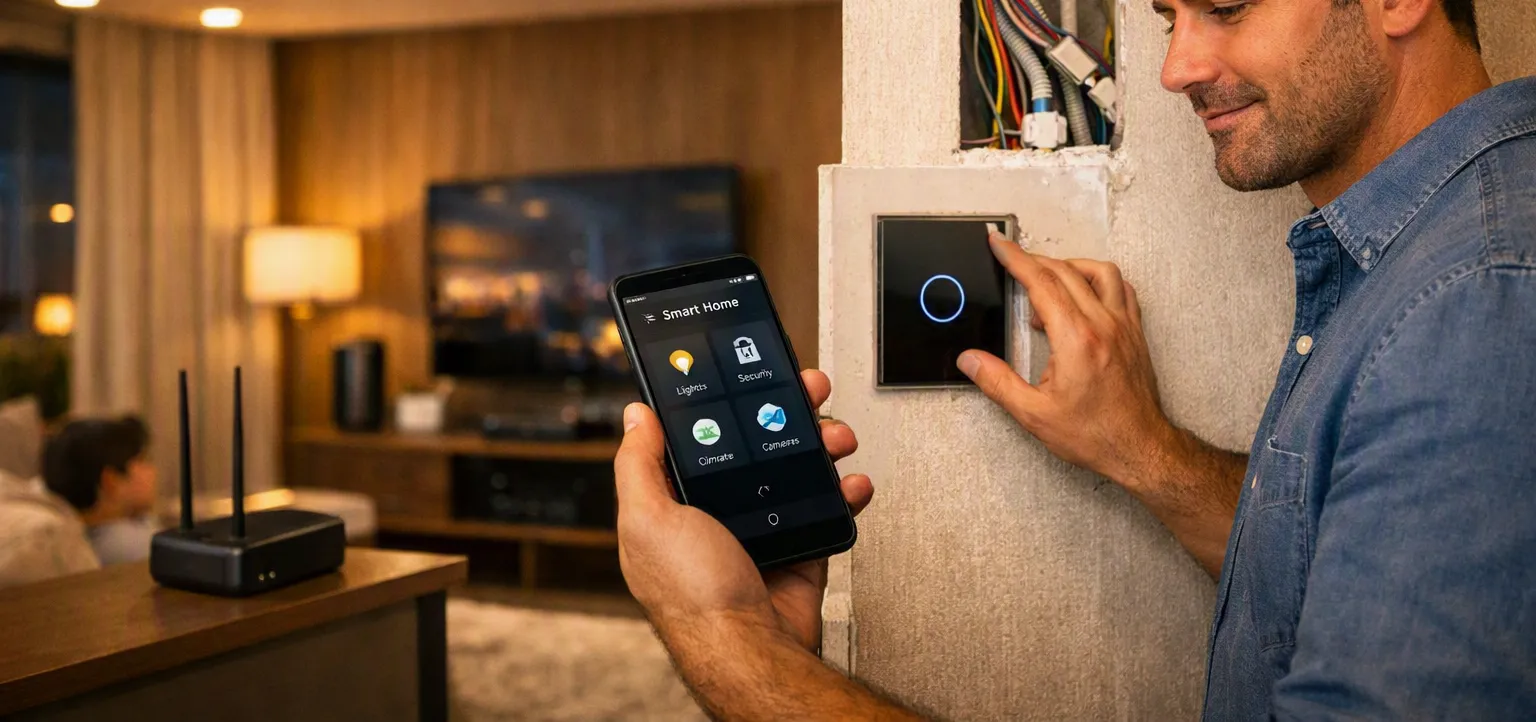
With the rise of smart technology, restaurants can now access automated systems that optimize energy consumption. Smart energy systems for restaurants use sensors and AI-driven data to control lighting, HVAC, and kitchen appliances. These systems adjust power usage based on real-time demand, significantly reducing waste.
For instance, smart ventilation systems detect air quality and automatically adjust airflow to maintain a comfortable kitchen environment while minimizing energy use. Similarly, smart meters allow restaurant owners to analyze energy consumption patterns and identify peak usage times, enabling them to make informed decisions about when and how to use power.
Why Energy Efficient Ventilation Systems Are a Must
Kitchen ventilation is crucial in keeping staff comfortable while maintaining indoor air quality. However, traditional ventilation systems often operate at full capacity regardless of need, leading to excessive energy consumption. Upgrading to energy-efficient ventilation systems allows for variable-speed operation, adjusting airflow based on real-time demand.
These systems not only reduce electricity use but also improve indoor air quality. A well-ventilated kitchen prevents heat buildup, reduces odors, and ensures compliance with safety regulations. Since HVAC accounts for nearly 30% of a restaurant's total energy usage, an efficient system can lead to significant cost savings.
Steps to Implement a Long-Term Restaurant Energy Management Plan
Sustainable energy management is not a one-time effort. It demands ongoing monitoring and adaptation to ensure continued savings. Here is a step-by-step plan to implement an effective restaurant energy management strategy:
- Conduct an Energy Audit: Identify areas of high energy consumption and find opportunities for improvement.
- Upgrade to Energy-Efficient Equipment: Invest in energy-saving appliances and smart systems to automate processes.
- Train Staff on Energy Conservation: Educate employees on simple energy conservation habits like turning off unused equipment and using lighting strategically.
- Monitor and Adjust: Use real-time data from energy monitoring systems to make informed adjustments over time.
- Partner with Energy Efficiency Experts: Companies like Onformant provide specialized solutions to help restaurants optimize energy use.
The Future of Restaurant Energy Management
As sustainability continues to become a top priority in the food industry, restaurants must take proactive steps to reduce their energy footprint. Adopting restaurant energy management strategies lowers costs and attracts eco-conscious customers who prefer dining at environmentally responsible establishments.
By integrating energy-efficient refrigeration, smart energy systems for restaurants, and energy-efficient ventilation systems, restaurants can operate more sustainably while maintaining profitability. The key is to take action now by making small yet impactful changes that lead to long-term savings and environmental benefits.
Final Thoughts
Restaurants that embrace restaurant energy management are not just saving money—they are future-proofing their businesses. With energy costs rising, staying ahead of the curve means investing in technology, monitoring consumption, and adopting best practices for energy efficiency. By making the right choices today, restaurants can build a more sustainable and profitable future.




























Sign in to leave a comment.