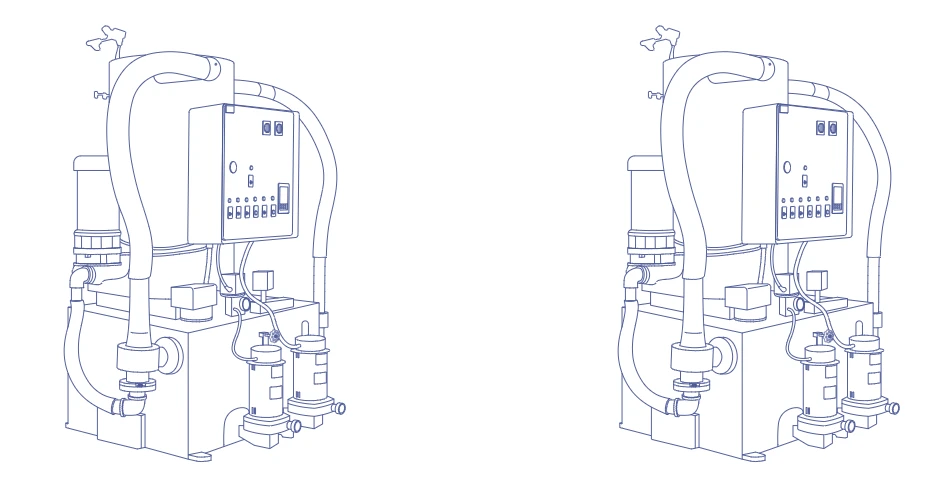

Efficient steam systems depend heavily on how well condensate is recovered and returned to the boiler. Proper vacuum condensate return sizing ensures stable pressure, maximized energy recovery, and long-term equipment reliability. When engineered correctly, these systems significantly improve steam efficiency while reducing operating costs.
This guide explores the engineering fundamentals behind vacuum condensate return sizing and how a precision-based approach enhances performance in industrial and commercial environments.
Why Vacuum Condensate Return Sizing Matters
When steam transfers heat to a process, it condenses back into water. That condensate still contains substantial thermal energy. Efficiently returning it to the boiler system:
- Reduces fuel consumption
- Minimizes water treatment costs
- Maintains system pressure stability
- Prevents water hammer and equipment stress
Improper sizing can lead to flooding, excessive venting, cavitation, and energy waste. Proper sizing aligns pump capacity, vacuum levels, and piping design with real operating conditions.
Engineering Fundamentals of Condensate Return Sizing
1. Determine Maximum Condensate Load
Sizing begins by calculating peak steam production and expected condensate return rate.
- 1 boiler horsepower ≈ 34.5 lbs/hr of steam
- Condensate return percentage typically ranges from 60–90%
Always size for peak load conditions, not average operation.
2. Evaluate System Vacuum Requirements
Vacuum systems operate below atmospheric pressure to assist condensate movement across elevation changes and long piping runs.
Key calculations include:
- Required vacuum level (inHg or kPa)
- Friction losses in piping
- Static lift requirements
The vacuum pump must maintain stable negative pressure during peak flow.
3. Proper Pump Capacity Selection
Pump capacity should:
- Meet maximum condensate return flow
- Include a modest safety margin (10–20%)
- Operate near the pump’s Best Efficiency Point (BEP)
Oversized pumps increase electrical demand and short cycling. Undersized pumps create bottlenecks and system instability.
4. Receiver Tank Sizing
The receiver tank must accommodate:
- Short-term surges
- System load variability
- Flash steam separation
A common engineering guideline is storage capacity equal to 1–3 minutes of peak condensate flow.
5. NPSH and Temperature Considerations
High-temperature condensate reduces Net Positive Suction Head Available (NPSHa), increasing cavitation risk.
Ensure:
- NPSHa exceeds pump NPSHr
- Proper venting and flash steam management are in place
- Adequate suction line design minimizes turbulence
Thermal dynamics are critical in high-pressure steam systems.
6. Piping Design Optimization
Pipe diameter, slope, and routing significantly affect performance.
Best practices include:
- Minimizing sharp bends
- Avoiding excessive elevation changes
- Ensuring proper pitch for gravity drainage
- Insulating return lines to preserve thermal energy
Incorrect piping can undermine even properly sized pumps.
Common Sizing Errors to Avoid
- Designing for average load instead of peak load
- Ignoring flash steam volume
- Oversizing equipment “for safety”
- Failing to account for temperature-related cavitation
- Neglecting surge capacity
Precision engineering prevents expensive retrofits later.
Benefits of Proper Vacuum Condensate Return Sizing
Improved Steam Efficiency
Higher condensate recovery means reduced fuel input and faster boiler response.
Reduced Water Treatment Costs
Reusing treated condensate lowers chemical usage and makeup water demand.
Extended Equipment Life
Stable pressure and reduced cavitation minimize wear on pumps and valves.
Lower Energy Consumption
Systems operating near optimal efficiency consume less electricity and fuel.
Customization for Advanced Performance
Tailored vacuum condensate systems offer measurable advantages:
- Adaptability – Designed around actual process conditions
- Scalability – Supports future capacity expansion
- Energy Optimization – Matches pump output to dynamic demand
- Improved Controls Integration – Enables smarter monitoring and automation
Customized systems often yield long-term savings that outweigh initial engineering costs.
Emerging Trends in Vacuum and Condensate Technology
Smart Monitoring Systems
Sensors and real-time diagnostics enable predictive maintenance and performance optimization.
Variable Frequency Drives (VFDs)
Adjust pump speed based on live system demand, improving energy efficiency.
Sustainable System Design
Higher condensate recovery rates reduce fuel use and carbon footprint.
Advanced Materials
Improved corrosion resistance and thermal performance enhance durability.
Final Thoughts
Mastering vacuum condensate return sizing requires careful evaluation of steam load, vacuum requirements, temperature dynamics, and piping configuration. When properly engineered, these systems:
- Maximize steam efficiency
- Reduce operational costs
- Improve equipment longevity
- Support sustainability goals
For industrial operations seeking reliable and energy-efficient steam performance, accurate sizing and thoughtful system design are not optional—they are essential.




Sign in to leave a comment.