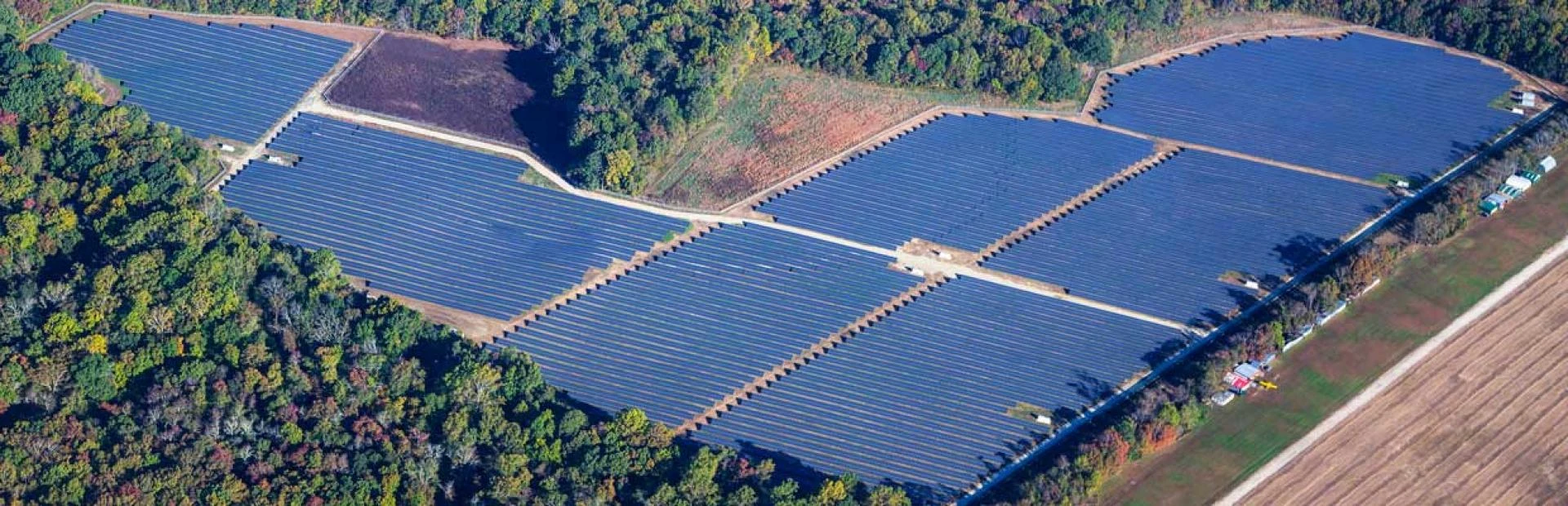

As the solar energy industry evolves, many existing solar farms and commercial installations are reaching the end of their lifespan or require upgrades to maximize efficiency. This is where solar decommissioning and repowering projects come into play. Whether you’re looking to replace outdated equipment, repower an aging solar system, or decommission a non-functional site, strategic planning is crucial for a smooth transition.
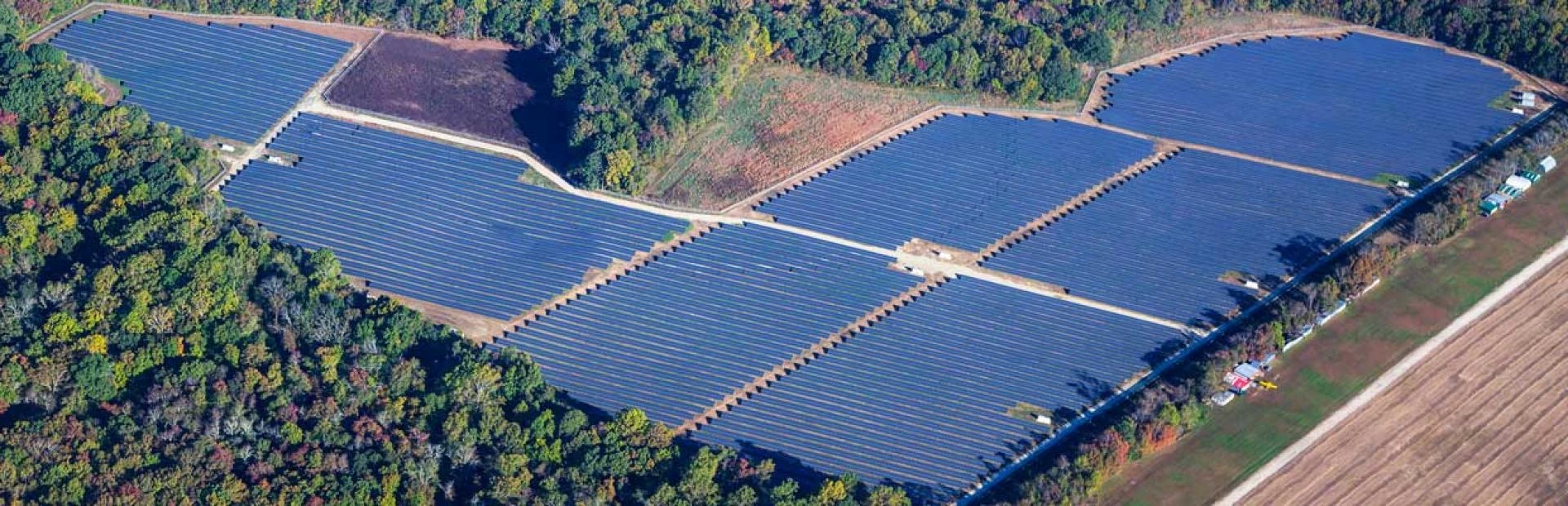
What is Solar Decommissioning?
Solar decommissioning refers to the process of safely dismantling a solar power system that has reached the end of its operational life. This includes removing panels, inverters, racking systems, and other infrastructure while ensuring proper disposal, recycling, and land restoration.
Key steps in solar decommissioning include:
- Site Assessment – Evaluating system conditions and potential environmental impacts.
- Dismantling & Removal – Safely uninstalling solar panels, mounting structures, and electrical components.
- Material Recycling & Disposal – Maximizing the reuse of materials like silicon, glass, and metals.
- Land Reclamation – Restoring the site to its original condition or preparing it for future solar installations.
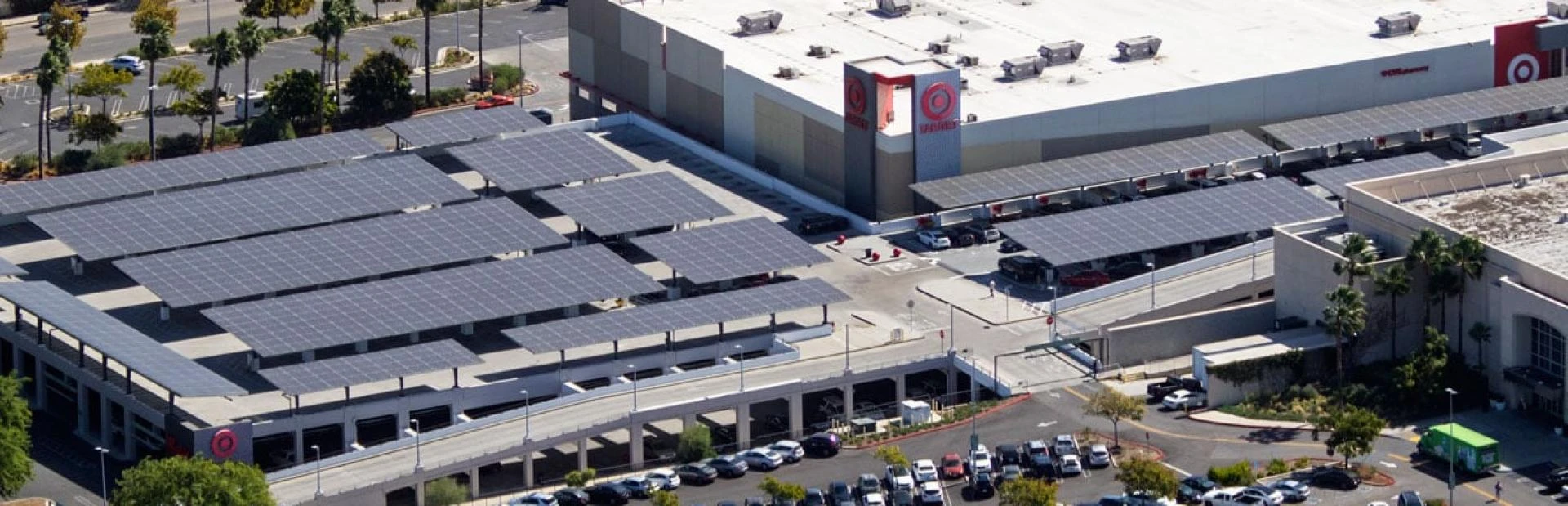
What is Solar Repowering?
Solar repowering involves upgrading or replacing components of an existing solar system to enhance performance, extend lifespan, and improve energy yield. This is particularly useful for aging solar farms where technology advancements can offer significant efficiency gains.
Repowering strategies include:
- Upgrading Panels & Inverters – Replacing outdated modules with higher-efficiency ones.
- Improving Energy Storage – Adding battery storage solutions for better energy management.
- Optimizing System Design – Enhancing mounting structures and layouts to maximize sun exposure.
Why Invest in Solar Decommissioning & Repowering?
- Boost Energy Production – New technology improves efficiency and output.
- Increase ROI – Extending system life reduces long-term costs and increases profitability.
- Sustainability & Compliance – Proper decommissioning ensures environmental responsibility.
- Prepare for Future Upgrades – Repowering creates opportunities for integrating advanced solar solutions.
Partnering with Experts for Solar Repowering Projects
When considering solar decommissioning or repowering, working with an experienced engineering firm like Pure Power Engineering ensures a seamless transition. Their expertise in designing high-performance solar energy solutions helps maximize system efficiency and minimize downtime.
Are you ready to optimize your solar investment? Contact us today and discover how repowering your solar system can lead to greater energy savings and sustainability.


























Sign in to leave a comment.