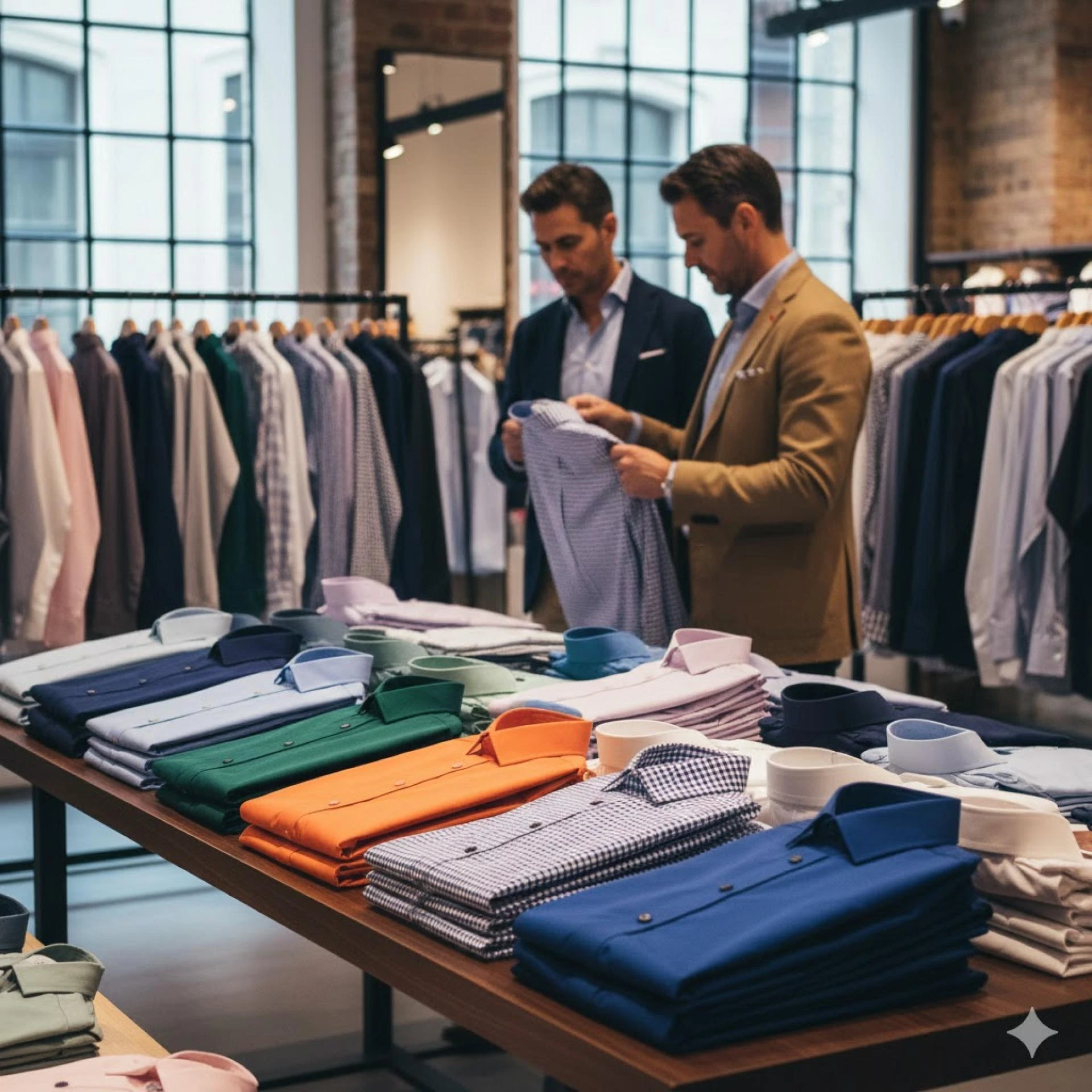
The modern man's wardrobe has evolved significantly over the past few years, and nowhere is this more evident than in the dress shirt category. Whether you're building a professional wardrobe from scratch or upgrading your existing collection of men's business casual shirts, understanding what to look for in 2025 can save you time, money, and fashion missteps. The dress shirt remains a cornerstone of masculine style, bridging the gap between formal business attire and relaxed weekend wear with remarkable versatility.
According to recent market analysis, the global men's formal wear market was valued at approximately $24.8 billion in 2023 and is projected to grow at a compound annual growth rate of 5.2 percent through 2030. This growth reflects not just expanding markets but also evolving consumer preferences toward quality, sustainability, and versatility in dress shirts. Today's discerning shopper needs to navigate an increasingly complex landscape of fabrics, fits, construction methods, and style options to find shirts that truly deliver value and performance.
This comprehensive guide will walk you through everything you need to know about shopping for men's dress shirts in 2025, from understanding fabric quality and construction techniques to identifying the perfect fit for your body type and lifestyle needs.
Understanding Fabric Quality and Composition
The foundation of any great dress shirt begins with its fabric. In 2025, fabric technology has advanced considerably, offering men options that combine traditional natural fibers with innovative performance features. Cotton remains the gold standard for dress shirts, prized for its breathability, comfort, and professional appearance. However, not all cotton is created equal, and understanding the distinctions can dramatically impact your purchasing decisions.
Egyptian cotton and Pima cotton represent the premium tier of cotton fabrics, featuring extra-long staple fibers that create smoother, more durable, and more lustrous fabrics. These materials typically use thread counts ranging from 80 to 140, with higher numbers generally indicating finer, softer fabrics. A quality dress shirt should feature a thread count of at least 100, though the sweet spot for balancing softness and durability typically falls between 100 and 120.
Beyond pure cotton, cotton-blend fabrics have become increasingly sophisticated in 2025. Modern men's business casual shirts often incorporate small percentages of synthetic fibers like elastane or polyester to enhance performance characteristics. A blend containing 97 percent cotton and 3 percent elastane, for example, provides just enough stretch for improved comfort and mobility without sacrificing the professional appearance and breathability of cotton. These performance blends have become particularly popular among professionals who value wrinkle resistance and easy care properties.
Linen and linen-blend shirts continue gaining popularity, especially for warmer climates and seasonal wear. While pure linen wrinkles easily, modern linen-cotton blends offer the breathability and texture of linen with improved wrinkle resistance. For 2025, look for innovative fabric treatments that enhance natural fibers without compromising their inherent benefits.
The weave pattern significantly impacts both the appearance and performance of your dress shirt. Broadcloth offers a smooth, plain weave ideal for formal business settings, while oxford cloth provides a more textured, casual appearance perfect for business casual environments. Twill weaves create diagonal patterns that resist wrinkles better than plain weaves, making them excellent choices for travel or long workdays. Herringbone and dobby weaves add visual interest while maintaining professional appropriateness.
Decoding Fit and Sizing for Your Body Type
Perhaps no aspect of dress shirt shopping causes more confusion than finding the right fit. In 2025, the industry has largely moved away from the extremely slim silhouettes popular in the 2010s toward more balanced, comfortable fits that still maintain a tailored appearance. Understanding the different fit categories and how they correspond to your body type is essential for making informed purchases.
Modern dress shirts typically come in four primary fit categories: slim fit, modern fit, classic fit, and relaxed fit. Slim fit shirts work best for men with athletic or lean builds, featuring narrower shoulders, a tapered waist, and shorter sleeve lengths. These shirts should fit close to the body without pulling or creating tension across the chest or shoulders. Modern fit, sometimes called tailored fit, represents the most universally flattering option for 2025, offering a trim silhouette without the restriction of slim fits.
Classic fit shirts provide more room through the chest, waist, and arms, making them ideal for men with broader builds or those who prefer traditional styling. Relaxed fit offers the most generous proportions, though these should still maintain clean lines and avoid appearing baggy. The key is finding a fit that allows comfortable movement while maintaining a professional silhouette when tucked in.
Proper sizing involves two measurements: neck circumference and sleeve length. Your neck size should allow you to comfortably insert two fingers between the collar and your neck when buttoned. Too tight, and you'll experience discomfort throughout the day; too loose, and the collar will gap unprofessionally. Sleeve length should be measured from the center back of your neck, across your shoulder, and down to your wrist bone with your arm relaxed at your side. When worn, the cuff should extend about half an inch beyond your jacket sleeve, showing just a hint of shirt cuff.
The shoulder seam represents one of the most critical fit points that often goes overlooked. This seam should sit precisely where your shoulder meets your arm, neither dropping down your upper arm nor pulling toward your neck. An incorrectly positioned shoulder seam cannot be easily altered and fundamentally compromises the shirt's fit.
For men's business casual shirts worn untucked, consider the shirt length carefully. The hem should fall somewhere between mid-zipper and mid-pocket on your trousers, providing adequate coverage without appearing like a tunic. Many brands now offer specific untucked-length options designed for casual wear.
Construction Quality and Craftsmanship Details
The construction quality of a dress shirt directly correlates with its longevity, appearance retention, and overall value. In 2025, educated consumers increasingly look beyond brand names to assess the actual craftsmanship of their shirts. Several key construction elements separate exceptional shirts from mediocre ones.
Button quality and attachment represent an often-overlooked indicator of overall construction quality. Premium dress shirts feature buttons made from genuine mother-of-pearl or high-quality corozo, a natural material derived from palm nuts. These buttons offer superior durability and a lustrous appearance that plastic alternatives cannot match. Examine how buttons are attached—quality shirts use a shank attachment with reinforced stitching, creating a small space between the button and fabric that accommodates the opposing fabric when buttoned.
Seam quality and stitching density provide immediate insights into construction standards. Quality dress shirts feature between 18 and 22 stitches per inch, creating strong, durable seams that resist pulling and separation. Single-needle tailoring, where seams are sewn one at a time rather than in pairs, produces flatter, more refined seams visible in premium shirts. French seams, where fabric edges are enclosed within the seam itself, prevent fraying and demonstrate superior craftsmanship.
Collar construction significantly impacts how your shirt looks and performs over time. Quality collars feature interlining—additional fabric layers that provide structure and shape retention. Fused collars use adhesive to attach interlining, while higher-end shirts employ sewn-in collar stays or removable collar stays that maintain collar shape without adhesives. Examine collar points for even stitching and clean, sharp edges that indicate careful construction.
The placket—the reinforced fabric strip running down the shirt front where buttons and buttonholes are located—should lie perfectly flat without puckering. Quality plackets feature interfacing that provides structure without stiffness, and buttonholes should be cleanly finished with no loose threads or irregular stitching.
Back pleats or darts affect both fit and comfort. Center-box pleats provide fullness across the back for easier movement, while side pleats create a more tailored appearance. Darted backs eliminate pleats entirely for the slimmest silhouette but may restrict movement slightly. Choose based on your preferred balance between comfort and fit.
Color and Pattern Selection for Professional Versatility
Building a versatile dress shirt collection requires strategic color and pattern selection that maximizes outfit combinations while maintaining professional appropriateness. In 2025, the core principles of color selection remain timeless, though contemporary interpretations offer more flexibility than traditional rules suggested.
White dress shirts remain the most versatile and essential foundation piece for any wardrobe. A quality white shirt pairs with every suit color, accepts any tie pattern, and transitions seamlessly from conservative business settings to formal evening events. However, fabric choice matters significantly with white shirts—look for fabrics with enough opacity that undershirts don't show through, yet remain breathable for all-day comfort.
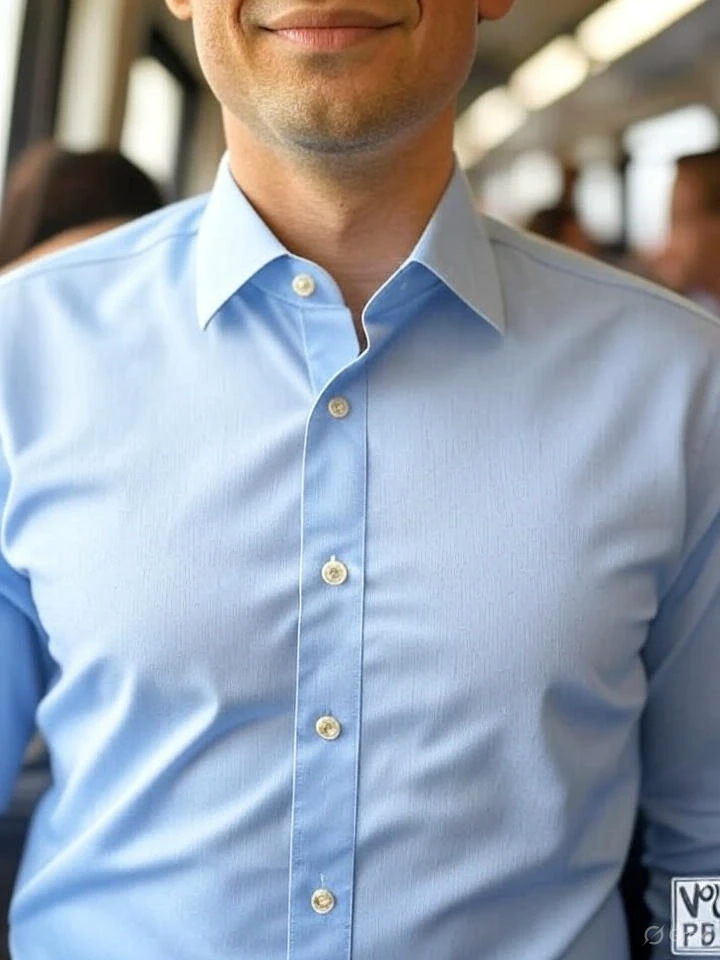
Light blue represents the second essential color for men's business casual shirts, offering versatility nearly equal to white while providing more visual interest. Studies in color psychology suggest blue conveys trustworthiness and competence, making it an excellent choice for professional settings. The ideal shade falls somewhere between sky blue and medium blue, light enough to remain formal yet saturated enough to provide presence.
Beyond these fundamentals, consider adding shirts in pink, lavender, and light gray to expand your options. Pink has fully shed any outdated gender associations and is widely accepted in professional environments, particularly in lighter shades. These colors pair well with navy, charcoal, and mid-gray suits while offering more personality than white or blue alternatives.
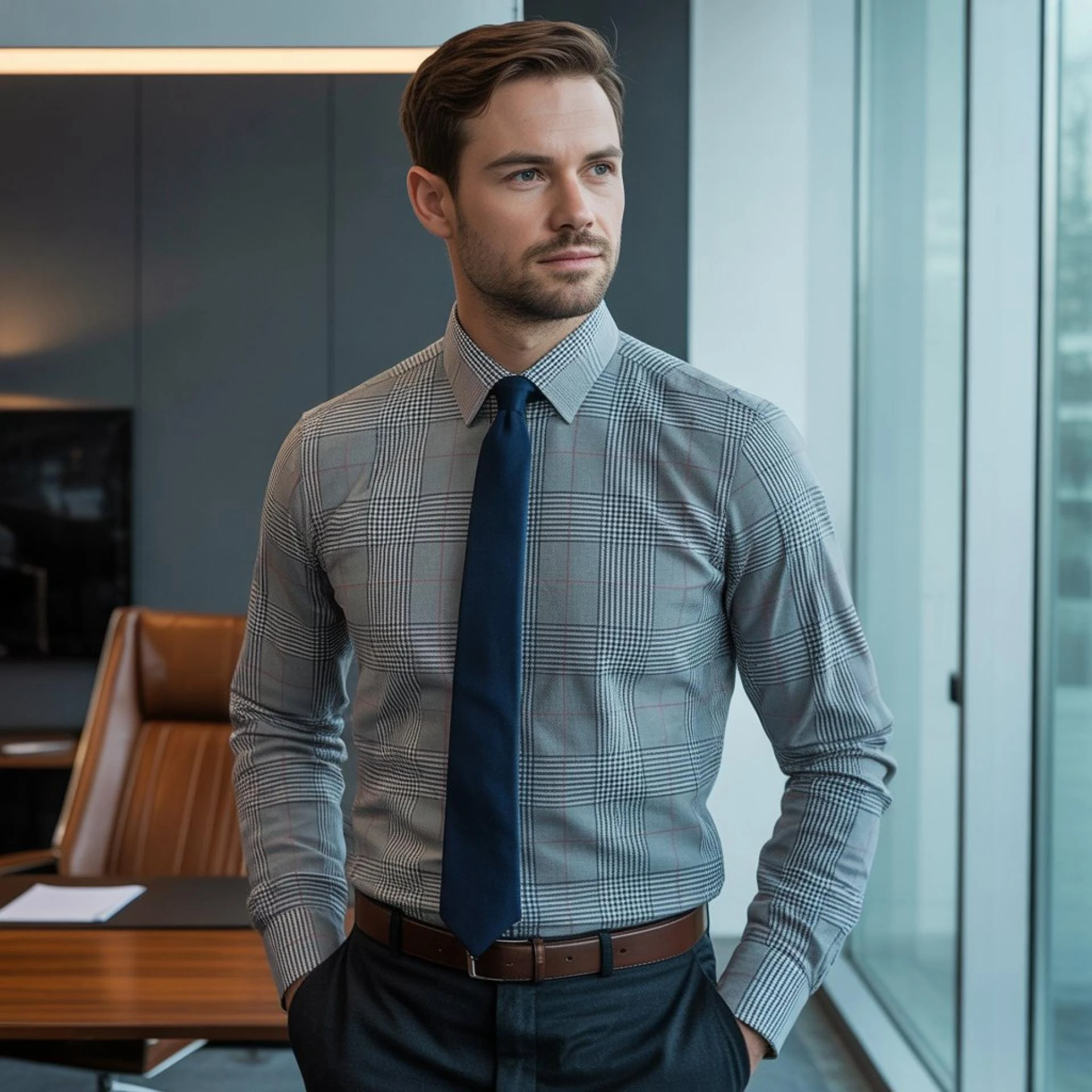
Pattern selection requires balancing visual interest with professional appropriateness. Subtle patterns like pin dots, micro checks, and fine stripes work in nearly all business environments. Stripe width and spacing affect formality—pencil-thin stripes appear more formal than wide stripes, while greater contrast between stripe and background colors creates more casual appearances.
Gingham checks and windowpane patterns fall into business casual territory, perfect for less formal office environments or casual Friday dress codes. These patterns inject personality while remaining appropriate for most professional settings. Reserve bold patterns, wide stripes, and novelty prints for purely casual wear unless your workplace culture specifically embraces creative expression.
Color and pattern also affect perceived fit and body proportions. Vertical stripes create elongating effects beneficial for shorter men, while horizontal patterns can add visual width for lean builds. Darker colors generally slim the silhouette, while lighter shades expand it visually.
Collar Styles and Their Appropriate Contexts
The collar represents one of the most distinctive and visible elements of any dress shirt, significantly impacting both the shirt's formality level and its compatibility with different face shapes and tie styles. Understanding collar variations helps you select shirts appropriate for specific occasions while flattering your individual features.
The spread collar has become the dominant style in 2025, featuring collar points angled outward at approximately 90 to 120 degrees. This versatile style accommodates various tie knots, works well with or without neckties, and flatters most face shapes. Moderate spread collars, with points spread between 4 and 5 inches apart, represent the most universally appropriate option for professional settings.
Point collars feature points positioned closer together, typically 3 to 4 inches apart, creating a more traditional, conservative appearance. These collars work particularly well with narrow tie knots like four-in-hand knots and suit men with rounder faces by adding vertical lines that elongate facial proportions.
Button-down collars secure collar points with small buttons, creating a more casual aesthetic particularly associated with American business casual style. While once considered too informal for serious business environments, button-down collars have gained broader acceptance and now appear regularly in business casual contexts. These collars excel when worn without ties, keeping collar points in place for a neat appearance.
Cutaway collars, also called Windsor collars, feature the widest spread, with points angled dramatically outward. These modern collars accommodate larger tie knots like full Windsor or half-Windsor knots and create bold, confident statements. However, their contemporary styling may not suit all professional environments, particularly conservative industries like law or finance.
Band collars eliminate traditional collar points entirely, creating a minimalist, modern aesthetic. These collarless shirts have gained popularity for business casual and creative professional environments but remain too informal for traditional business settings.
Consider your face shape when selecting collar styles. Men with round faces benefit from taller collars with longer points that add vertical length, while those with elongated faces look better in shorter collars with moderate spreads. The collar should also complement your neck length and width—men with shorter necks should avoid tall collars that create cramped proportions.
Performance Features and Modern Innovations
The dress shirt category has experienced remarkable innovation in recent years, with performance technologies that address common frustrations without compromising professional appearance. In 2025, these features have matured beyond early experimental phases into refined technologies worth considering for your wardrobe.
Wrinkle-resistant treatments have advanced significantly, moving beyond the stiff, plasticky finishes of earlier generations. Modern wrinkle-resistance uses sophisticated resin treatments or liquid ammonia processing that relaxes cotton fibers, allowing them to resist wrinkling while maintaining natural softness and breathability. Quality wrinkle-resistant shirts should still feel like cotton rather than synthetic fabrics, with wrinkle resistance manifesting as easier care rather than completely wrinkle-proof performance.
Moisture-wicking technologies, borrowed from athletic wear, have found their way into dress shirts designed for warm climates or active professionals. These treatments or fabric constructions help perspiration evaporate quickly, keeping you more comfortable during long days or in un-air-conditioned environments. Look for moisture-wicking men's business casual shirts if you live in humid climates, commute via walking or cycling, or simply run warm.
Odor-resistance treatments using silver ions or other antimicrobial technologies can extend wear between washings and maintain freshness throughout long days. These features prove particularly valuable for travel or multi-day business trips where laundry access may be limited.
Stretch fabrics incorporating small percentages of elastane or spandex have become mainstream, offering improved comfort and mobility without sacrificing professional appearance. Modern stretch dress shirts maintain their shape throughout the day rather than becoming baggy, addressing earlier concerns about stretch fabrics in professional contexts.
Stain-resistant finishes help liquids bead up and roll off fabric rather than absorbing immediately, providing crucial extra seconds to address spills before they set. While not foolproof, these treatments offer valuable protection for frequently worn shirts.
Temperature-regulating fabrics using phase-change materials or specialized fiber constructions help maintain comfortable body temperature across varying environmental conditions. These advanced fabrics, originally developed for athletic and outdoor applications, have been adapted for dress shirts to keep you comfortable whether moving between heated buildings and cold exteriors or sitting in over-air-conditioned offices.
When evaluating performance features, prioritize those addressing your specific needs rather than accumulating features for their own sake. A quality traditional cotton shirt often outperforms a heavily treated shirt where the treatments compromise the fundamental fabric quality.
Sustainability and Ethical Manufacturing Considerations
Consumer awareness regarding sustainability and ethical manufacturing has reached unprecedented levels in 2025, with many shoppers actively seeking brands that align with their values. The dress shirt category offers numerous options for environmentally and socially conscious purchasing without sacrificing quality or style.
Organic cotton cultivation eliminates synthetic pesticides and fertilizers, reducing environmental impact while often producing superior cotton through traditional farming methods. Look for certifications like Global Organic Textile Standard, which verifies organic status throughout the supply chain. While organic cotton shirts typically cost more than conventional alternatives, many consumers consider the premium worthwhile for environmental and health benefits.
Manufacturing transparency has become increasingly important, with leading brands publishing detailed information about their factory locations, working conditions, and labor practices. Certifications from organizations like Fair Trade USA, SA8000, and WRAP provide third-party verification of ethical manufacturing standards including fair wages, safe working conditions, and prohibition of child labor.
Fabric longevity represents perhaps the most overlooked aspect of sustainable shopping. A high-quality shirt lasting five to seven years creates far less environmental impact than cheaper alternatives requiring replacement every year or two. When evaluating sustainability, consider the full lifecycle of garments rather than focusing solely on production methods.
Recycled and innovative alternative fibers have emerged as interesting options in 2025. Shirts incorporating recycled cotton or polyester fibers give new life to textile waste, while experimental fabrics derived from wood pulp, bamboo, or other sustainable sources offer intriguing possibilities. However, scrutinize environmental claims carefully, as some alternative fibers require intensive chemical processing that undermines their sustainability benefits.
Local manufacturing has experienced a resurgence, with some brands producing shirts domestically to reduce transportation emissions, support local economies, and maintain tighter quality control. While domestically produced shirts typically cost more than imported alternatives, they offer transparency and traceability difficult to achieve with global supply chains.
Many established brands have launched sustainability initiatives including take-back programs for recycling old shirts, commitments to using renewable energy in manufacturing, and adoption of closed-loop water systems that dramatically reduce water consumption. Research brand commitments and track records rather than accepting marketing claims at face value.
Price Points and Value Assessment
Understanding the relationship between price and value helps you make informed purchasing decisions that align with your budget and quality expectations. Dress shirt pricing in 2025 spans an enormous range, from budget options under thirty dollars to luxury shirts exceeding three hundred dollars. Knowing what drives pricing and how to assess value at different price points prevents both overpaying and false economy.
Budget shirts typically ranging from twenty to forty dollars serve specific purposes well but involve compromises in fabric quality, construction, and longevity. These shirts often use lower-quality cotton with shorter staple lengths, feature fused construction throughout, and employ less durable stitching. They may work adequately for rarely worn formal occasions or for testing new styles before investing in quality versions. However, for regularly worn shirts, budget options rarely deliver satisfactory long-term value.
Mid-range shirts priced between fifty and one hundred fifty dollars represent the sweet spot for most consumers, offering genuine quality without luxury premiums. Shirts in this range typically feature good-quality cotton or cotton blends, solid construction with attention to details like reinforced buttons and clean finishing, and cuts designed by experienced pattern makers. Brands in this category often provide the best value proposition, delivering performance and longevity that justify their cost.
Premium shirts ranging from one hundred fifty to three hundred dollars incorporate superior materials like Egyptian or Pima cotton, meticulous construction including hand-finished details, and refined fits developed through extensive research. These shirts justify their pricing through noticeably superior comfort, appearance, and longevity. A well-made premium shirt can easily last five to seven years with proper care, potentially offering better value than repeatedly replacing cheaper alternatives.
Luxury shirts exceeding three hundred dollars enter rarefied territory where pricing reflects brand prestige, exclusivity, and often bespoke or made-to-measure construction as much as material quality. While these shirts deliver exceptional quality, the incremental improvement over premium options may not justify the cost difference for most consumers.
When assessing value, calculate cost per wear rather than focusing solely on purchase price. A one hundred fifty dollar shirt worn weekly for five years costs roughly sixty cents per wear, while a fifty dollar shirt lasting eighteen months with similar wear frequency costs approximately ninety cents per wear. Factor in superior comfort and appearance throughout the more expensive shirt's lifespan, and the value proposition becomes clear.
Care and Maintenance for Longevity
Proper care dramatically extends dress shirt lifespan while maintaining appearance and performance. In 2025, understanding modern care techniques helps you protect your investment while minimizing time and effort spent on maintenance.
Washing frequency represents the first consideration—shirts don't require laundering after every wear unless visibly soiled or exposed to perspiration. Many quality shirts benefit from airing between wears, with spot cleaning addressing minor issues like collar soil. This approach reduces wear from washing while saving time and energy.
When laundering is necessary, machine washing on delicate cycles using cool or warm water protects fabric integrity better than hot water, which can cause shrinkage and color fading. Turn shirts inside out to minimize surface abrasion and protect buttons. Use quality detergents designed for fine fabrics, avoiding excessive amounts that can leave residue affecting fabric hand and appearance.
Stain treatment should occur as quickly as possible, with specific approaches depending on stain type. Protein-based stains like blood or sweat respond to cold water and enzyme-based cleaners, while oil-based stains require solvents or dish soap. Never place stained shirts in dryers, as heat sets stains permanently.
Drying methods significantly impact shirt longevity and appearance. Air drying by hanging shirts on hangers produces the best results, allowing fabric to dry naturally without the harsh tumbling and heat of machine drying. If machine drying is necessary, use low heat and remove shirts while slightly damp to minimize wrinkling and heat damage.
Professional laundering offers convenience and excellent results but comes with tradeoffs. Commercial laundering services use high heat and harsh pressing that can accelerate fabric wear. Limit professional laundering to occasions when appearance is critical, handling routine cleaning at home when possible.
Ironing techniques matter significantly—use appropriate heat settings for your fabric type, with cotton handling high heat while blends require lower temperatures. Iron shirts while slightly damp for best results, or use steam to relax wrinkles without direct contact. Iron in sequence from collar to yoke to sleeves to body, ensuring each section is complete before moving on.
Storage practices protect shirts between wears. Hang shirts on quality hangers with appropriate shoulder contours that maintain shirt shape, avoiding wire hangers that create distortions. Button the top button and every second or third button down the placket to maintain shape. Store in breathable garment bags for long-term storage, allowing air circulation while protecting from dust and light.
Building a Versatile Dress Shirt Wardrobe
Strategic wardrobe building ensures maximum versatility with minimum redundancy, allowing you to create numerous outfits from a carefully selected core collection. For most professionals, a foundation of six to eight quality dress shirts provides adequate variety for weekly rotation while remaining manageable.
Start with two white shirts in your preferred style and fit—one in a traditional broadcloth for formal occasions and one in a more textured weave like oxford or pinpoint for business casual contexts. These form the foundation upon which everything else builds. Add two light blue shirts next, again varying texture or pattern slightly between them for versatility.
The next additions should diversify your color palette while maintaining versatility. Consider one pink or lavender shirt, one light gray, and one subtle patterned option like thin blue stripes on white or a micro-check pattern. These six shirts work with virtually every suit and sport coat color while providing visual variety.
Additional shirts beyond this foundation should address specific needs or preferences. If your workplace embraces business casual, add button-down collar shirts in relaxed colors or patterns. If you frequently dress for formal evening events, consider a formal white shirt with French cuffs. For creative professional environments, experiment with richer colors or bolder patterns that express personality while remaining appropriate.
Quality trumps quantity in dress shirt wardrobes—six exceptional shirts that fit perfectly, wear comfortably, and maintain their appearance for years deliver more value and satisfaction than fifteen mediocre shirts constantly requiring replacement. Focus your budget on fewer, better shirts rather than accumulating volume.
Conclusion
Shopping for men's dress shirts in 2025 requires balancing timeless principles with contemporary innovations, understanding what drives quality and value while remaining aware of evolving style norms and sustainability considerations. The perfect shirt combines exceptional fabric, precise construction, flattering fit, and appropriate style for your lifestyle and professional needs.
Remember that great dress shirts represent investments in your professional image and daily comfort rather than disposable fashion items. Take time to understand your true sizing, learn to recognize quality construction, and identify brands whose fit and aesthetic align with your preferences. Don't hesitate to try multiple options before committing to purchases, as finding shirts that truly work for you pays dividends in confidence and comfort throughout their lifespan.
Whether building a wardrobe from scratch or upgrading existing pieces, prioritize versatile core pieces in white and light blue before expanding into more distinctive options. Choose men's business casual shirts with performance features that address your specific needs without sacrificing the professional appearance and comfort that great dress shirts deliver. With knowledge and discernment, you can build a shirt wardrobe that serves you excellently for years to come, adapting to professional demands while reflecting your personal style.






















Sign in to leave a comment.