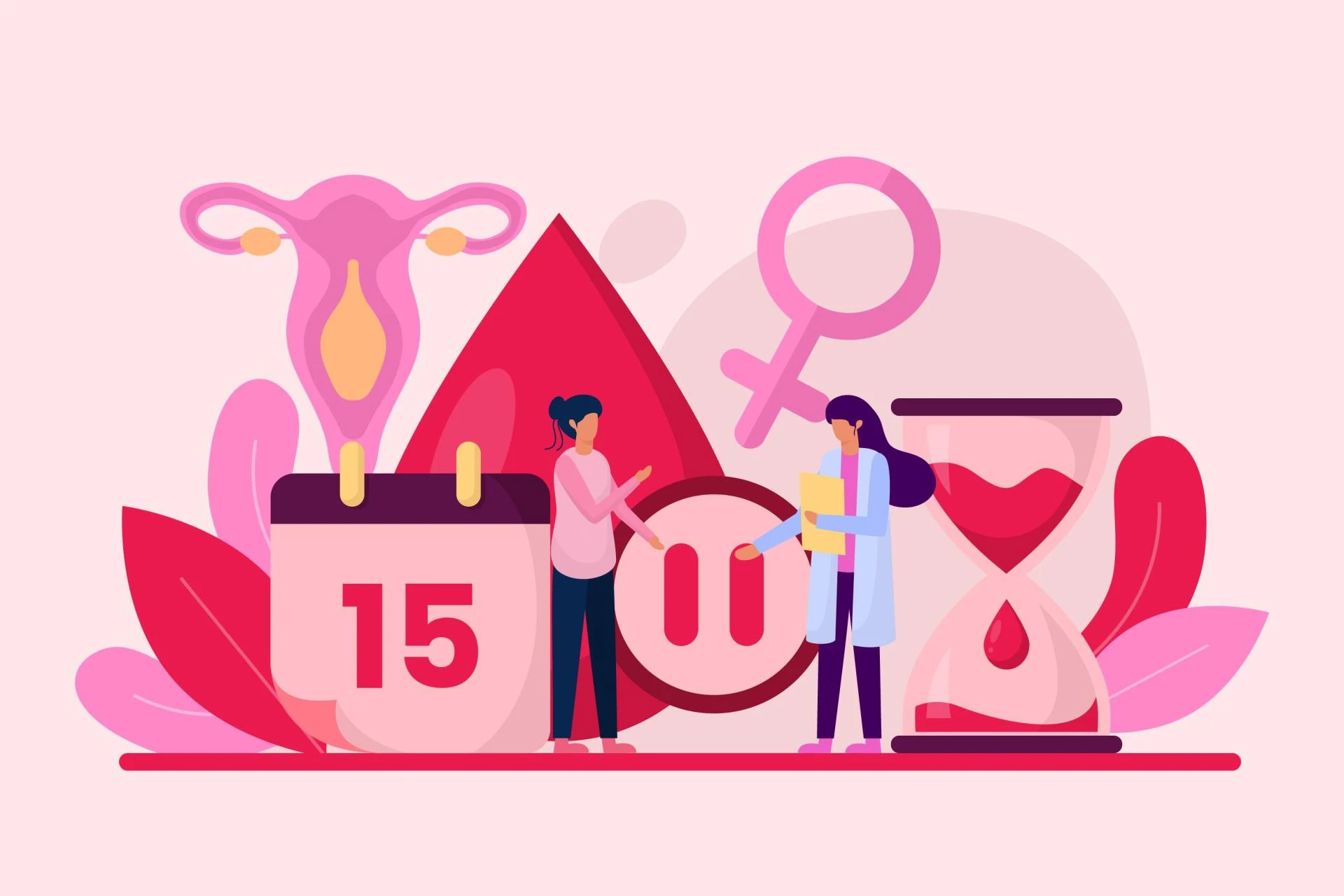

Let’s be honest, dealing with heavy periods isn’t just an inconvenience; it can seriously affect your daily life. If you find yourself constantly changing pads or tampons, feeling drained, or even planning your schedule around your period, you might be dealing with menorrhagia, a condition that causes excessive or prolonged menstrual bleeding.
The good news? You don’t have to go through this alone. With the right medical support and treatment, you can regain control over your health.
What is Menorrhagia?
Periods vary from person to person, but if your bleeding is unusually heavy or lasts longer than a week, it might be more than just a "bad cycle." Menorrhagia isn’t just a heavier flow, it’s when your bleeding becomes excessive to the point that it disrupts your normal activities.
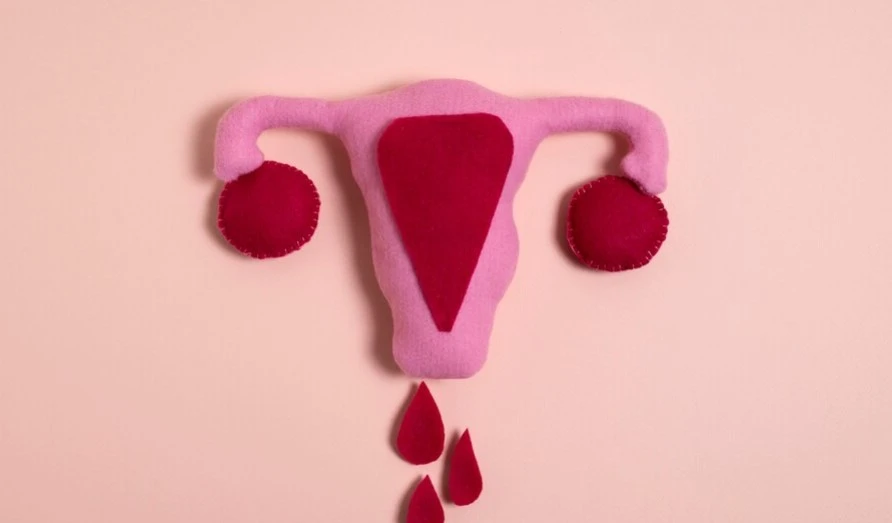
Signs You Might Have Menorrhagia
- Changing a pad or tampon every hour for several consecutive hours.
- Using double protection (tampon + pad) and still experiencing leaks.
- Bleeding for more than seven days.
- Passing large blood clots (bigger than a coin).
- Feeling fatigued, weak, or dizzy due to blood loss.
If any of these sound familiar, it’s a sign to get the best gynaecology treatment in kanchipuram.
What Causes Heavy Periods?
Menorrhagia doesn’t just happen out of nowhere, there’s usually an underlying cause. Here are some common reasons why your periods might be heavier than normal:
1. Hormonal Imbalances
Your menstrual cycle is controlled by estrogen and progesterone. When these hormones are out of balance, your uterine lining may build up excessively, leading to heavier periods. Conditions like polycystic ovary syndrome (PCOS) and thyroid disorders can also contribute to hormonal fluctuations.
2. Uterine Fibroids and Polyps
Fibroids are non-cancerous growths in the uterus that can cause heavy and prolonged bleeding. Polyps, on the other hand, are small tissue growths that can also lead to irregular periods.
3. Endometriosis
This is a condition where the tissue that normally lines the uterus grows outside of it, leading to intense pain and heavy bleeding. If your periods are both painful and heavy, endometriosis might be the cause.
4. Blood Clotting Disorders
Some women naturally have blood clotting disorders that make them bleed more than usual. If heavy bleeding runs in your family, it’s worth discussing with a doctor.
5. Birth Control and Medications
Certain birth control methods, especially non-hormonal IUDs, can lead to heavier periods. Medications like blood thinners can also contribute to excessive bleeding.
6. Pregnancy Complications
In some cases, heavy bleeding can be related to pregnancy issues such as miscarriage or ectopic pregnancy. If you suspect pregnancy-related bleeding, seek immediate medical attention.
How is Menorrhagia Diagnosed?
If you’re experiencing heavy periods, the first step is to consult a gynaecology hospital in Kanchipuram where specialists can perform tests to determine the cause. Diagnosis may include:
- Blood tests to check for anemia or clotting disorders.
- Ultrasound scans to examine the uterus for fibroids, polyps, or other abnormalities.
- Hormone tests to identify any imbalances.
- Endometrial biopsy to check for uterine issues, especially if you’re over 35.
Treatment Options for Heavy Periods
The good news is that menorrhagia is treatable. Your doctor will recommend a treatment plan based on the cause of your heavy bleeding. Here are some common approaches:
1. Medications
- Hormonal birth control (pills, patches, IUDs) to regulate periods and reduce bleeding.
- Non-hormonal medications like tranexamic acid to help clot blood and reduce flow.
- Iron supplements if heavy bleeding has caused anemia.
2. Minimally Invasive Procedures
- Endometrial ablation – A procedure that removes or destroys the uterine lining to reduce bleeding.
- Uterine artery embolization – Used for treating fibroids by blocking their blood supply.
3. Surgical Treatments (For Severe Cases)
- Myomectomy – Removes fibroids while preserving the uterus.
- Hysterectomy – A last-resort option where the uterus is removed completely, ending periods permanently.
Your doctor will help you decide the best course of action based on your health, future pregnancy plans, and personal preferences.
When Should You See a Doctor?
Don’t wait until heavy periods start taking a toll on your energy, health, and lifestyle. If your bleeding is excessive, prolonged, or interfering with daily life, schedule a visit to a gynaecology specialist in Kanchipuram for an evaluation.
Seeking early treatment can prevent complications like anemia, fatigue, and fertility issues. The right care at the right time makes all the difference.
Final Thoughts
Heavy periods are not something you have to "just deal with." Menorrhagia is a medical condition, and with the right support, you can manage it effectively. Whether it’s through medication, lifestyle changes, or medical procedures, help is available.
If you’re in need of expert care, visit a gynaecology hospital that offers comprehensive treatment for menstrual disorders. Your health and well-being matter, don’t hesitate to take the next step towards relief.



























Sign in to leave a comment.