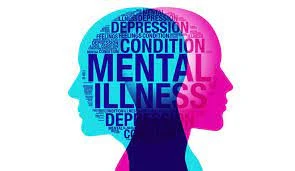

In the intricate tapestry of human experience, mental health plays a pivotal role in shaping thoughts, emotions, behaviors, and overall well-being. Yet, understanding the delicate balance between what's considered normal and what indicates a potential mental health disorder can be challenging. As societies become increasingly attuned to the significance of mental well-being, mental health courses have emerged as a beacon of guidance, providing insights into distinguishing between the two and offering tools for maintaining optimal mental health.
Defining Normal and Abnormal Mental Health
Defining normalcy in the realm of mental health is a nuanced endeavor. While there's no universally agreed-upon benchmark for normal mental health, it generally refers to a state of well-being where individuals can effectively manage daily challenges, maintain healthy relationships, and experience a range of emotions without them significantly impeding their functioning.
On the other hand, abnormal mental health, often referred to as mental illness or disorder, involves persistent and significant disruptions in thoughts, emotions, behaviors, or a combination thereof. These disruptions can impact an individual's ability to lead a fulfilling life, causing distress, impairment, and affecting various domains such as work, relationships, and personal growth.
Understanding the Spectrum of Mental Health
Mental health exists on a spectrum, ranging from optimal well-being to severe impairment. At one end of the spectrum lie individuals who experience occasional stress, sadness, or anxiety—normal human emotions that everyone encounters. At the other end are those grappling with conditions such as depression, anxiety disorders, bipolar disorder, schizophrenia, and more. The vast majority of people fall somewhere in between, experiencing ups and downs that are manageable within the context of their lives.
Read: How is meditation beneficial for healthy living life?
The Role of Mental Health Courses
Mental health courses play a pivotal role in helping individuals navigate the spectrum of mental health. By providing knowledge, tools, and strategies, these courses empower individuals to recognize signs of distress, manage normal fluctuations in mental well-being, and seek appropriate help when needed.
Promoting Mental Health Literacy
Mental health courses contribute to mental health literacy—an individual's understanding of mental health, mental disorders, and the available resources. Participants learn about the signs and symptoms of common mental health disorders, allowing them to distinguish between normal fluctuations and potential concerns. This knowledge enables informed decision-making and fosters a proactive approach to well-being.
Recognizing Warning Signs
Mental health courses emphasize the importance of recognizing warning signs that may indicate a potential mental health problem. Changes in sleep patterns, appetite, energy levels, mood swings, persistent feelings of sadness, anxiety, or withdrawal from social interactions can all serve as red flags. By identifying these signs early on, individuals can take appropriate steps to address their mental health before it escalates.
Building Resilience and Coping Skills
Navigating life's challenges is an inherent part of the human experience. Mental health courses equip individuals with coping skills to manage stress, regulate emotions, and handle adversity. These skills not only contribute to maintaining good mental health but also play a crucial role in preventing the escalation of normal stressors into more significant mental health issues.
Breaking Down Stigmas
Stigma surrounding mental health often prevents individuals from seeking help when needed. Mental health courses contribute to breaking down these stigmas by fostering open discussions, normalizing conversations about mental health, and emphasizing the importance of seeking support. This shift in societal attitudes encourages individuals to view mental health care as a legitimate and necessary aspect of overall well-being.
Seeking Professional Guidance
While mental health courses provide valuable insights and tools, they are not a substitute for professional assessment and treatment. When individuals recognize signs of distress or abnormal patterns in their mental health, seeking guidance from mental health professionals, such as therapists, psychologists, or psychiatrists, is crucial. Mental health courses can complement these interventions by offering additional support and resources.
Embracing a Holistic Approach
A holistic approach to mental health involves a combination of factors, including self-awareness, self-care, seeking professional help, and engaging in mental health courses. This comprehensive approach empowers individuals to develop a deeper understanding of their own mental well-being, enhance their coping mechanisms, and actively work towards achieving and maintaining optimal mental health.
In Conclusion
Mental health is a complex and nuanced aspect of human existence that encompasses a spectrum of experiences. Distinguishing between normal fluctuations and potential mental health problems is a crucial skill, and mental health courses provide individuals with the tools to do so. By promoting mental health literacy, recognizing warning signs, building resilience, and breaking down stigmas, these courses contribute to a society that values and prioritizes mental well-being. As individuals become more empowered to navigate their mental health journey, mental health courses stand as a testament to the transformative power of education, awareness, and proactive self-care.
Also Read:Benefits of Yoga for Mental Health and Physical Health (Main Effects)
Thanks For Reading!


























Sign in to leave a comment.