

Mastering Coaxial Cable Connectors: A
Step-by-Step Guide to Seamless Connections:
In today's world, where connectivity is key, mastering coaxial cable connectors is essential for anyone looking to enhance their audio-visual experience. Whether you're setting up a home theater, connecting your internet, or diving into amateur radio, the importance of seamless connections can't be overstated. If you've ever struggled with poor signal quality or frustrating setups, you're not alone. This step-by-step guide will empower you with the knowledge to choose the right connectors, prepare your cables, and achieve flawless connections that keep your devices running smoothly. Say goodbye to the headaches of tangled wires and unreliable signals as we walk you through the process with clarity and ease. Let’s dive in and unlock the secrets to mastering coaxial cable connectors, ensuring your connections are not only secure but also optimized for peak
performance.
Importance of Choosing the Right Connector :
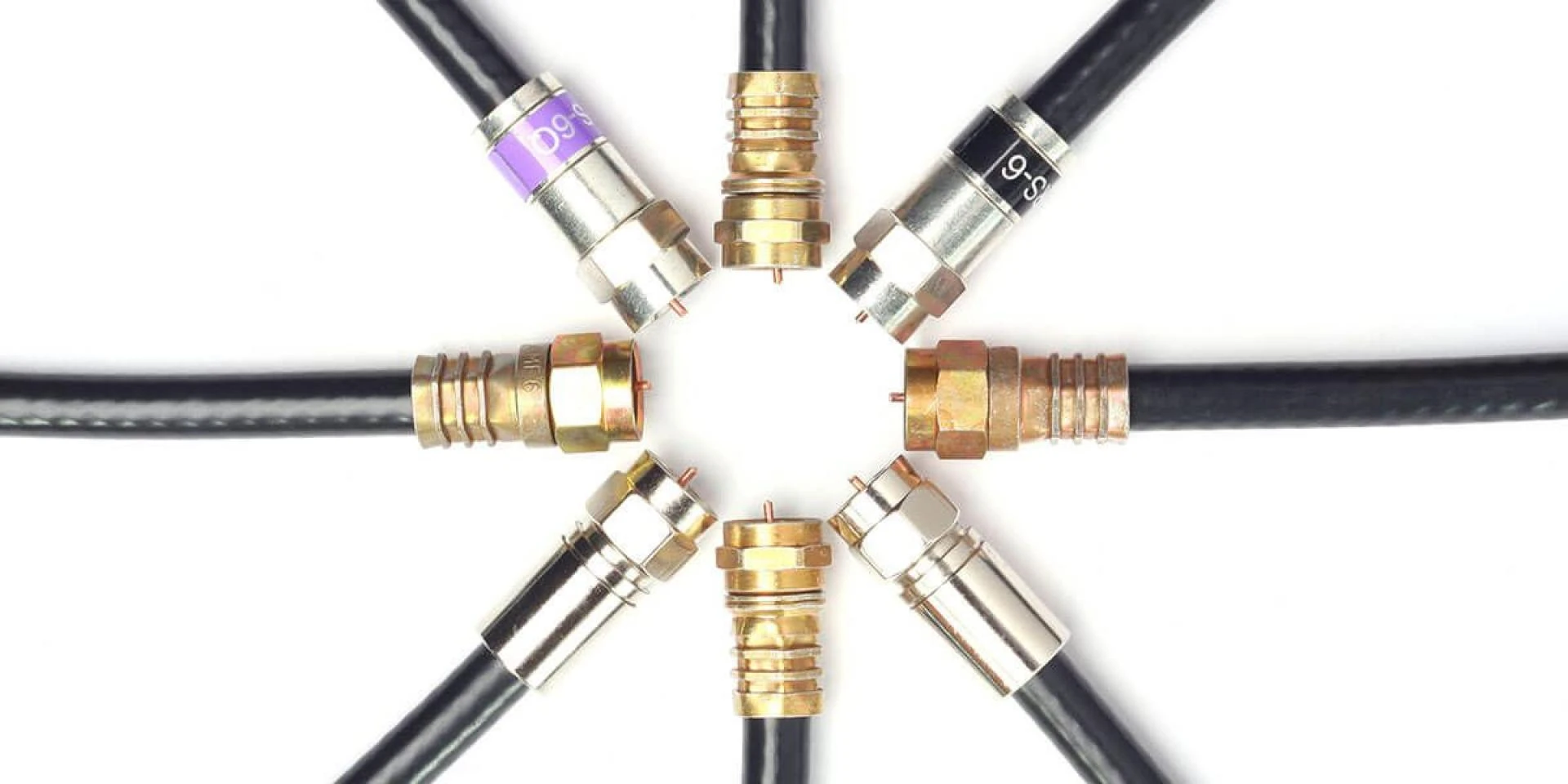
Selecting the appropriate coaxial cable connector is crucial for ensuring the best performance and longevity of your cable system. The right connector not only ensures a secure connection but also minimizes signal loss and interference. When the correct connector is used, the transition of signals through the system remains consistent, maintaining the integrity of the data being transmitted. One of the primary reasons for choosing the correct connector is to match the impedance of the cable system. Coaxial cables and connectors come with specific impedance ratings, commonly 50 ohms or 75 ohms. Using a connector with the wrong impedance can result in signal reflections, leading to loss and degradation of the signal quality. For example, using a 75-ohm connector in a 50-ohm system can cause significant performance issues, especially in high-frequency applications. Moreover, the physical compatibility of the connector with the cable and the device it connects to is another critical factor. Connectors come in various sizes and designs, and using the wrong one can result in a loose or insecure connection. This not only affects the signal quality but can also lead to damage over time. Ensuring that you choose a connector that matches both the cable and the device specifications is essential for a seamless
setup.
Testing and Troubleshooting Coaxial Connections :
Once you’ve installed your coaxial cable connectors, it’s crucial to test the connections to ensure they’re functioning correctly. Proper testing can help identify any issues early on, allowing you to troubleshoot and fix them before they become major problems.
Begin by using a continuity tester to check the electrical connection. This device will help you verify that the signal can travel from one end of the cable to the other without interruption. Connect the tester to each end of the cable and check for continuity. If the tester indicates a break in the connection, you’ll need to inspect the cable and connectors for any damage or improper installation. Another important test is checking for signal loss or degradation. Use a signal strength meter to measure the signal at both ends of the cable. Compare the readings to ensure there’s no significant loss between the source and the destination. If you detect a drop in signal strength, it could be due to poor connections, damaged cables, or interference. Identifying the cause will help you address the issue more effectively. If you encounter issues with your coaxial connections, troubleshooting typically involves inspecting the physical setup first. Check the connectors to ensure they’re properly crimped and securely attached. Look for any signs of damage or wear on the cable. Ensuring all connections are tight and secure can often resolve many common problems.
Upgrading Your Coaxial Setup: When and Why :
As technology evolves, so too do the requirements for your coaxial cable system. Upgrading your setup can provide several benefits, including improved performance, increased reliability, and future-proofing your system against new advancements. One reason to consider upgrading your coaxial setup is if you’re experiencing consistent issues with signal quality or reliability. If you’ve tried troubleshooting and maintaining your current system but still face problems, it may be time to invest in newer, higher-quality cables and connectors. Advances in technology have
led to improved materials and designs that can offer better performance and durability.
Another reason to upgrade is if you’re expanding or changing your system’s use. For example, if you’re adding new devices or upgrading to higher-resolution video equipment, your existing cables and connectors may not be up to the task. Upgrading to cables and connectors that can handle higher bandwidths and frequencies will ensure your system can support new technology and provide the best possible performance. Finally, upgrading your coaxial setup can be a proactive measure to future-proof your system. As new technologies emerge, having a robust and modern cable system in place will make it easier to integrate new devices and services. Investing in high-quality cables and connectors now can save you time and money in the
long run, ensuring your system remains reliable and efficient.
Conclusion and Final Thoughts on Coaxial Connectors :
Mastering coaxial cable connectors is a valuable skill that can significantly enhance your audio-visual and communication systems. By understanding the different types of connectors, selecting the right ones for your needs, and using the proper tools and techniques, you can achieve seamless and reliable connections. Choosing the correct connector is critical for maintaining signal integrity and ensuring a secure connection. Using the right tools for installing connectors will make the process more efficient and help prevent common mistakes that can compromise the connection. Regular testing and troubleshooting will help you identify and
resolve issues early on, while proper maintenance will ensure your system continues to perform at its best. Upgrading your coaxial setup when necessary can provide numerous benefits, including improved performance and future-proofing your system against new advancements. By staying informed and proactive, you can ensure that your coaxial cable system remains reliable and efficient, providing you with the best possible audio-visual experience. In conclusion, mastering coaxial cable connectors is not just about achieving seamless connections; it’s about
understanding the intricacies of your system and taking the necessary steps to ensure its longevity and performance. With the knowledge and skills gained from this guide, you’ll be well-equipped to tackle any coaxial cable project with confidence and ease.



























Sign in to leave a comment.