
 nlocking the Future: A Comprehensive Guide to Structured Cabling for Modern Businesses
In today’s fast-paced, technology-driven world, modern businesses rely heavily on robust and efficient communication networks. As the foundation for seamless data transfer, structured cabling plays a crucial role in optimizing performance and supporting future growth. Whether you run a startup or a well-established enterprise, understanding the intricacies of structured cabling can unlock significant advantages, from enhanced connectivity to improved operational efficiency. This comprehensive guide delves into the essential components of structured cabling, its myriad benefits, and best practices for implementation. Join us as we explore how unlocking the future of your business starts with the right cabling infrastructure, ensuring you stay ahead in a competitive landscape. Embrace the power of structured cabling to elevate your organization’s potential and foster innovation today!
Understanding Structured Cabling: An Overview
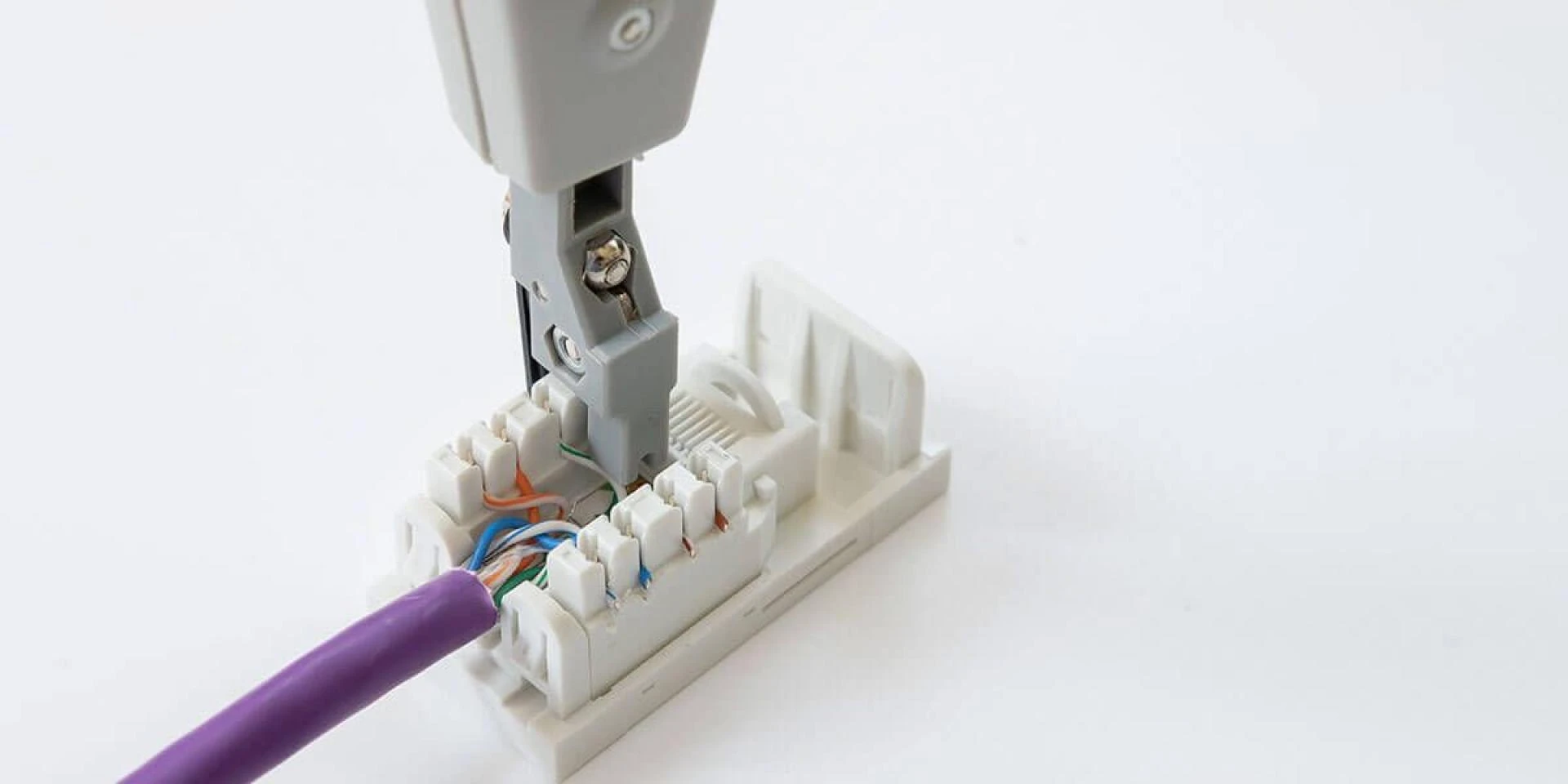
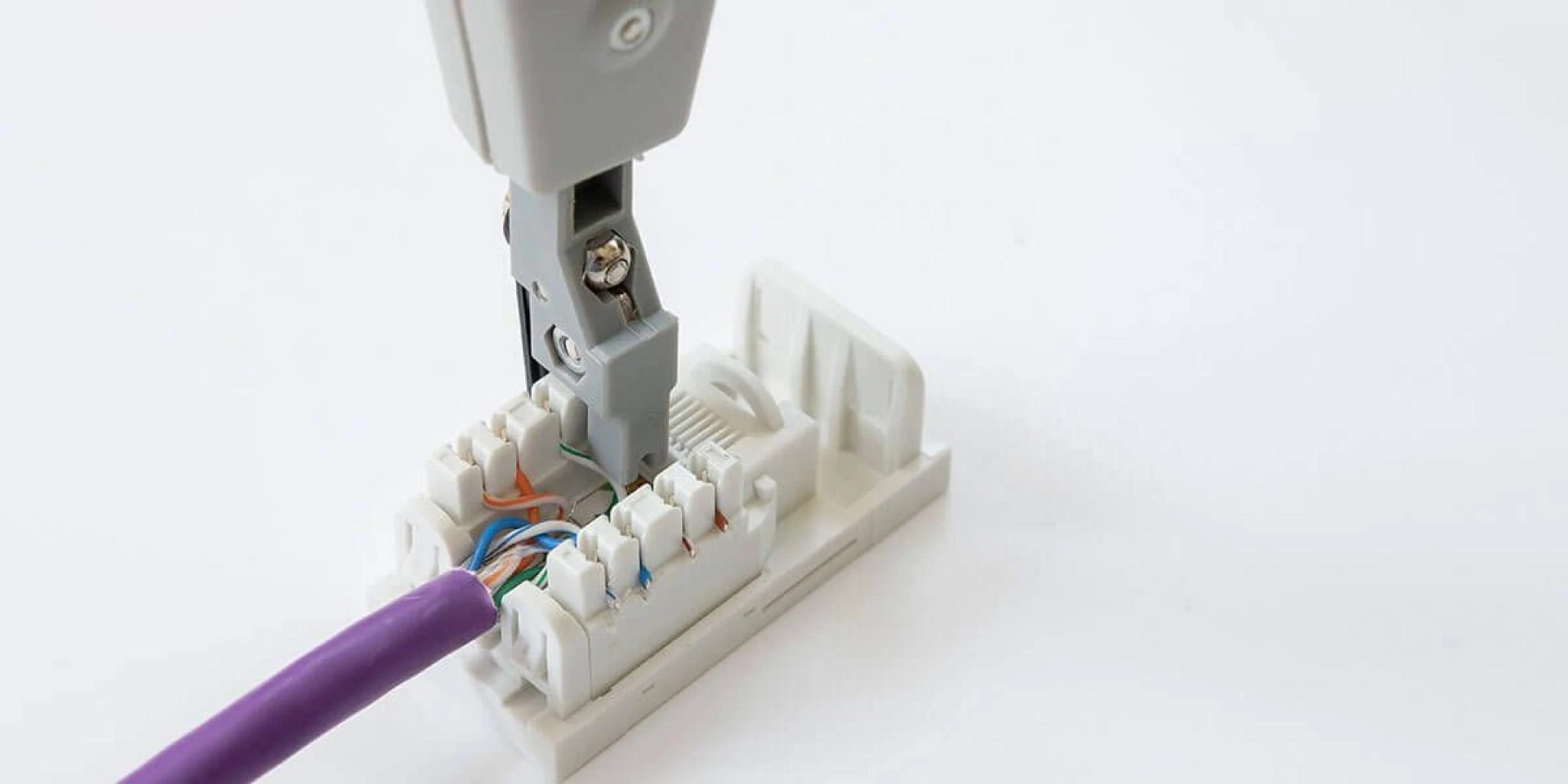
Structured cabling is a standardized approach to creating a robust and organized telecommunications infrastructure within a building or campus. It consists of a series of smaller, standardized elements that work together to support the continual flow of data, voice, and multimedia communications. This system encompasses a variety of cabling and hardware components, including twisted pair and fiber optic cables, patch panels, and connectors, all designed to work seamlessly together.
A well-designed structured cabling system allows for flexibility, scalability, and efficient troubleshooting. Unlike traditional point-to-point cabling, where each device is directly connected to another, structured cabling uses a hierarchical star topology. This centralizes the network infrastructure, making it easier to manage and expand. The result is a more reliable and cost-effective solution that can adapt to the evolving needs of a business.
Understanding the principles of structured cabling is crucial for businesses looking to future-proof their operations. With the rapid pace of technological advancements, having a scalable and adaptable cabling infrastructure is no longer a luxury but a necessity. By investing in structured cabling, businesses can ensure that their networks are capable of supporting new technologies and applications, providing a solid foundation for growth and innovation.
Benefits of Implementing Structured Cabling
Implementing a structured cabling system offers numerous benefits that can significantly enhance a business's operations and overall efficiency. One of the most notable advantages is the improved network performance and reliability. Structured cabling systems are designed to support high-speed data transmission and reduce the risk of network failures or downtime. This reliability ensures that businesses can maintain continuous operations and deliver consistent services to their clients.
Another key benefit is the scalability and flexibility that structured cabling provides. As businesses grow and evolve, their network requirements change. Structured cabling systems are designed to accommodate these changes, allowing for easy expansion and upgrades without the need for extensive reconfiguration. This scalability ensures that businesses can quickly adapt to new technologies and demands, future-proofing their network infrastructure for years to come. Cost efficiency is also a significant advantage of structured cabling. While the initial investment may be higher compared to traditional point-to-point cabling, the long-term savings are substantial. Structured cabling systems reduce maintenance and operational costs by simplifying network management and minimizing downtime. Additionally, the modular design of structured cabling allows for incremental upgrades, eliminating the need for costly overhauls. This cost-effectiveness makes structured cabling a wise investment for businesses looking to optimize their IT budgets.
Common Challenges in Structured Cabling and How to Overcome Them
Despite the numerous benefits of structured cabling, businesses may encounter several challenges during the design, installation, and maintenance phases. Identifying and addressing these challenges proactively can help ensure a successful implementation and long-term performance of the cabling system.
One common challenge is managing the physical space and pathways for the cabling infrastructure. In some buildings, especially older or densely populated ones, finding adequate space for cable runs and telecommunications rooms can be difficult. To overcome this challenge, businesses should work closely with experienced cabling designers and installers who can develop creative solutions, such as utilizing existing conduits, implementing cable management systems, and optimizing the use of available space.
Another challenge is ensuring proper cable installation and termination. Poor installation practices can lead to performance issues, such as signal loss, interference, and increased attenuation. To address this challenge, businesses should partner with qualified and certified cabling professionals who follow industry best practices and standards. Proper training and supervision of installation technicians can also help ensure that the cabling system is installed correctly and performs reliably.
Maintaining and upgrading the cabling infrastructure can also be challenging, particularly in dynamic and fast-paced business environments. Regular maintenance and proactive upgrades are essential to ensure the continued performance and reliability of the network. Implementing a comprehensive maintenance plan that includes routine inspections, testing, and documentation updates can help businesses stay ahead of potential issues and ensure that their cabling system remains in optimal condition.
Conclusion: Investing in Structured Cabling for Long-Term Success
In conclusion, structured cabling is an essential investment for modern businesses looking to optimize their network infrastructure and support future growth. By providing a robust, scalable, and efficient foundation for data transmission, structured cabling enhances connectivity, improves operational efficiency, and enables the integration of new technologies. Understanding the key components, benefits, and best practices of structured cabling is crucial for businesses to make informed decisions and ensure the success of their network infrastructure.
Despite the challenges that may arise during the design, installation, and maintenance phases, proactive planning and partnership with experienced cabling providers can help businesses overcome these obstacles and achieve their objectives. Staying informed about emerging trends and innovations in structured cabling technology can also help businesses stay ahead of the curve and maintain a competitive edge in a rapidly evolving landscape.
Ultimately, investing in structured cabling is not just about meeting the immediate needs of a business but also about future-proofing the network for long-term success. By embracing the power of structured cabling, businesses can unlock their full potential, foster innovation, and drive sustainable growth in an increasingly connected world.
























Sign in to leave a comment.