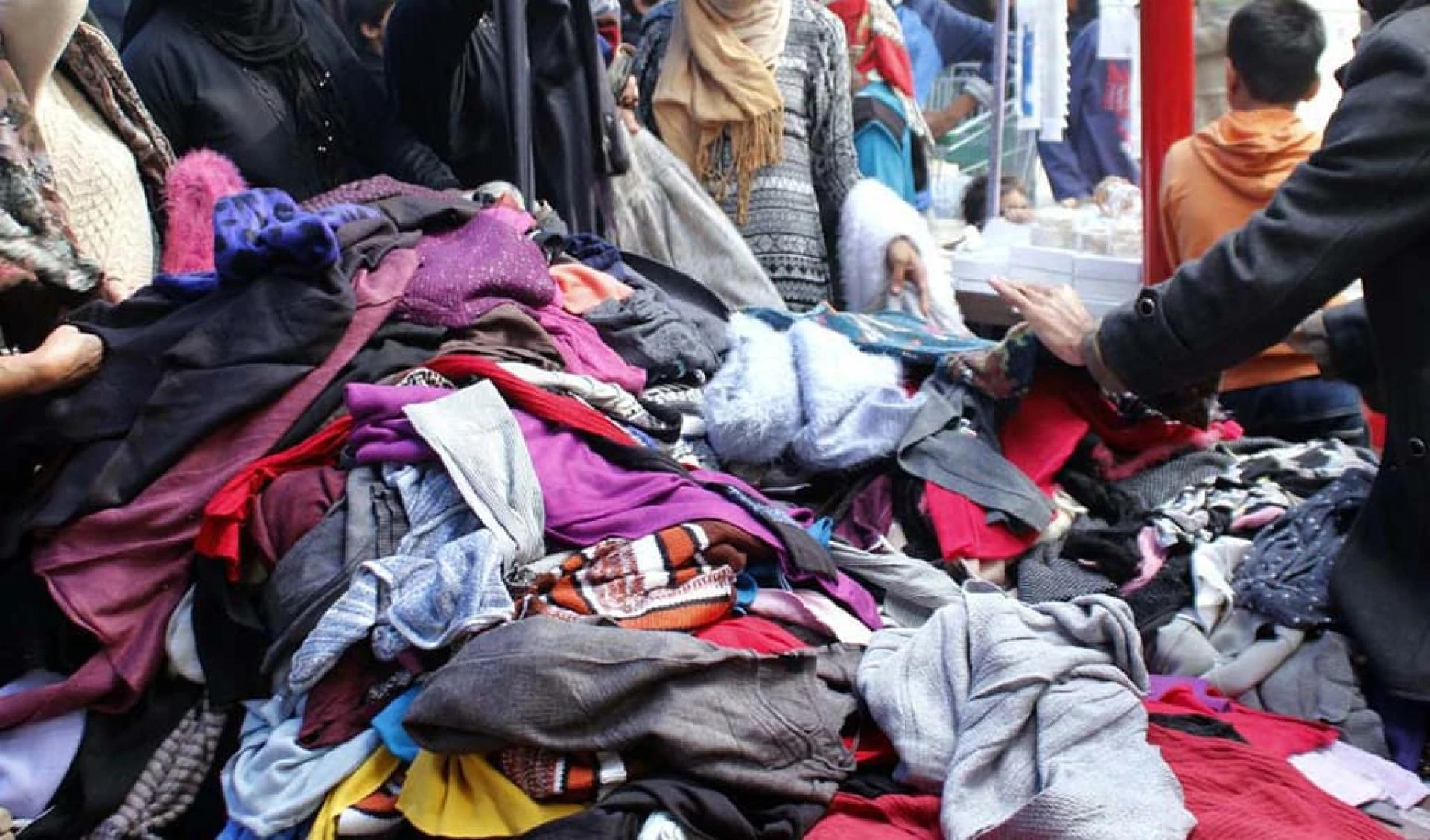

In a world where fast fashion reigns supreme, the textile industry has become one of the largest polluters, contributing significantly to environmental degradation. However, as consumers, we hold the power to mitigate this impact through mindful consumption. By shopping smarter and making informed choices, we can reduce textile waste and promote a more sustainable future. This blog will explore practical strategies for reducing textile waste and making our wardrobes more eco-friendly.
Understanding the Problem
Before diving into solutions, it’s essential to understand the magnitude of the issue. The fashion industry is responsible for about 10% of global carbon emissions and produces 92 million tons of waste annually. Fast fashion exacerbates this problem by encouraging a throwaway culture, where clothes are cheaply made and quickly discarded. The environmental cost includes not only the waste itself but also the resources consumed in producing these garments, such as water, energy, and raw materials.
How to Reduce Textile Waste?
Reducing textile waste starts with a shift in mindset from disposable fashion to sustainable consumption. Here are several strategies to help you shop smarter and reduce textile waste:
Invest in Quality Over QuantityOne of the most effective ways to reduce textile waste is by investing in high-quality clothing. Durable garments last longer and often withstand trends, reducing the need for frequent replacements. Look for well-made items with robust stitching and high-quality fabrics. While these pieces may come with a higher upfront cost, they save money in the long run by lasting through multiple seasons.Embrace Secondhand Shopping
Thrifting and buying secondhand are excellent ways to reduce textile waste. By purchasing pre-loved items, you give clothes a second life and reduce the demand for new production. Thrift stores, consignment shops, and online platforms like Poshmark and Depop offer a wide range of stylish and affordable options. Additionally, participating in clothing swaps with friends or community groups can refresh your wardrobe without contributing to waste.Choose Sustainable Brands
Support brands that prioritize sustainability and ethical practices. Many companies now produce clothing using eco-friendly materials, such as organic cotton, recycled polyester, and Tencel. These brands often follow fair labor practices and have transparent supply chains. Research and support companies that are committed to reducing their environmental footprint. Websites like Good On You provide ratings and information on the sustainability of various brands.Practice Mindful Shopping
Before making a purchase, ask yourself if you truly need the item and how often you will wear it. Avoid impulse buying and focus on building a versatile wardrobe with pieces that can be mixed and matched. Creating a capsule wardrobe—a curated collection of essential, timeless pieces—can help reduce the urge to buy unnecessary items and streamline your style.Take Care of Your Clothes
Proper care extends the life of your garments, reducing the need for replacements. Follow care instructions on labels, wash clothes less frequently, and use cold water to preserve fabric integrity. Avoid using a tumble dryer, which can cause wear and shrinkage, and opt for air drying instead. Simple repairs, such as sewing on a button or mending a small tear, can also keep clothes in circulation longer.Recycle and Repurpose
When clothes are beyond repair or no longer fit, consider recycling or repurposing them. Many organizations and retailers offer textile recycling programs where you can drop off old garments. Additionally, get creative and repurpose old clothes into new items, such as turning a worn-out t-shirt into a reusable shopping bag or using fabric scraps for crafts.Educate and Advocate
Spread awareness about the importance of reducing textile waste. Share your knowledge with friends and family and advocate for more sustainable practices within your community. By raising awareness, you can help drive collective action towards reducing the environmental impact of the fashion industry.
Conclusion
Mindful consumption is a powerful tool in the fight against textile waste. By shopping smarter, investing in quality, embracing secondhand options, and supporting sustainable brands, we can make a significant difference. Every small step counts towards creating a more sustainable and eco-friendly future. Remember, the choices we make today can shape the world of tomorrow. So, let's commit to reducing textile waste and promoting mindful consumption in our everyday lives. If you know more about how to reduce textile waste, visit our website at SwagCycle.























Sign in to leave a comment.