

Safe lifting practices play an essential role in industrial workplaces where heavy materials must be moved efficiently and accurately. Workers, supervisors, and maintenance teams all contribute to creating safer operations by following proper equipment procedures. Understanding manual lever chain hoists helps reduce avoidable hazards, improve productivity, and protect valuable equipment from unnecessary wear. Learning about common operating mistakes enables organizations to maintain safer lifting environments while extending the service life of essential lifting tools through responsible daily use.
Understanding the Purpose of Manual Lever Chain Hoists
Why Proper Operation Matters
Manual lever chain hoists are widely used for lifting, pulling, positioning, and securing heavy loads across construction, manufacturing, maintenance, utilities, warehouses, and industrial facilities. These versatile tools provide reliable lifting without requiring electrical power, making them practical for many demanding environments. Although they are designed for durability, improper operation can create safety hazards, damage equipment, and increase downtime. A thorough understanding of proper handling procedures allows operators to complete lifting tasks more efficiently while protecting both personnel and materials.
The Importance of Operator Awareness
Every lifting operation involves responsibilities that extend beyond simply moving a load from one location to another. Operators must understand equipment limitations, environmental conditions, and safe lifting techniques before beginning any task. Small mistakes that appear harmless during routine operations can gradually contribute to equipment failure or sudden accidents. Continuous awareness encourages workers to inspect equipment carefully, communicate effectively with coworkers, and follow established procedures that reduce unnecessary risks throughout every lifting project.
Skipping Pre Operation Inspections
Ignoring Visible Signs of Damage
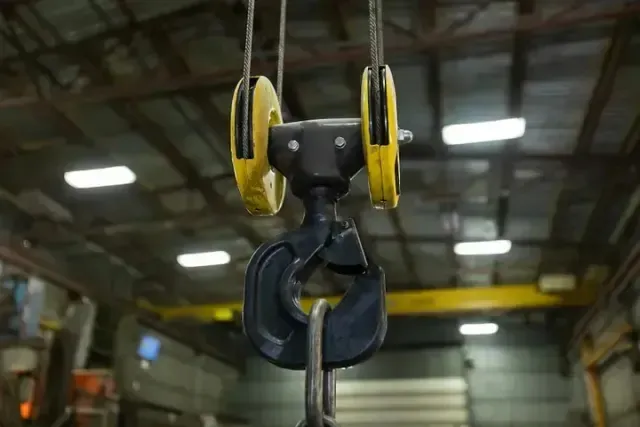
One of the most common mistakes involves using lifting equipment without conducting a thorough inspection beforehand. Operators may overlook worn hooks, damaged chains, cracked components, missing safety latches, or excessive corrosion because they are focused on completing work quickly. These visible warning signs often indicate developing mechanical problems that could compromise lifting performance. Taking a few extra minutes to inspect equipment before every use significantly reduces the likelihood of unexpected failures during demanding lifting operations.
Overlooking Functional Testing
Visual inspections alone are not enough to confirm that lifting equipment operates correctly. Operators should also verify smooth lever movement, proper brake engagement, chain travel, and overall mechanical performance before attaching a load. Functional testing identifies internal issues that may not be immediately visible during external inspections. Detecting these problems early helps prevent equipment malfunction while supporting safer working conditions and reducing costly repairs that result from continued use of damaged lifting tools.
Exceeding the Rated Load Capacity
Understanding Capacity Limits
Every lifting device is manufactured with a specific working load capacity that should never be exceeded. Ignoring these limits places excessive stress on internal components and increases the possibility of mechanical failure. Some operators mistakenly estimate load weight instead of confirming it accurately, leading to dangerous overload situations. Understanding equipment ratings and verifying load weight before lifting protects both workers and equipment while ensuring that lifting operations remain within safe operating parameters.
Avoiding Unsafe Load Assumptions
Industrial loads often appear lighter or heavier than their actual weight. Depending on appearance rather than verified measurements creates unnecessary risks during lifting operations. Operators should reference shipping documents, engineering specifications, or weighing systems whenever possible before selecting lifting equipment. Accurate load assessment allows workers to choose equipment with appropriate capacity, reducing strain on components while improving operational safety and lifting efficiency across different workplace environments.
Using Damaged or Worn Equipment
Continuing Operation Despite Warning Signs
Some workers continue using lifting equipment even after noticing unusual noises, rough chain movement, bent hooks, or damaged gears. Ignoring these warning signs increases the chance of complete equipment failure under load. Minor defects frequently develop into larger mechanical problems when left unaddressed. Removing questionable equipment from service immediately allows maintenance personnel to inspect, repair, or replace damaged components before they become serious safety hazards.
Delaying Necessary Maintenance
Routine maintenance is essential for preserving lifting performance and preventing premature equipment wear. Delaying lubrication, inspections, adjustments, or replacement of worn components gradually reduces reliability. Preventive maintenance schedules help identify developing issues before they become costly repairs or dangerous failures. Organizations that prioritize regular maintenance experience improved equipment longevity, greater operational consistency, and fewer unexpected interruptions during demanding lifting activities.
Improper Load Attachment
Failing to Secure the Load Correctly
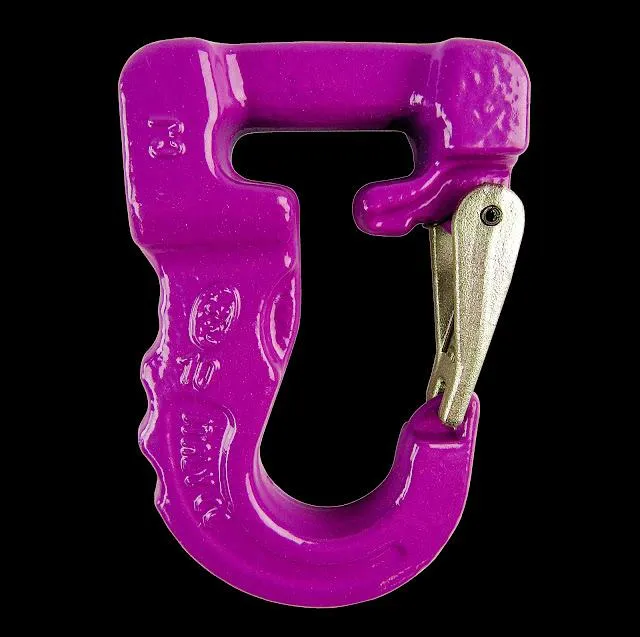
Improperly attached loads create instability that may lead to swinging, slipping, or sudden shifting during lifting. Operators should ensure that hooks engage correctly, slings remain properly positioned, and all lifting accessories are compatible with the intended load. Secure attachment improves load control throughout the lifting process while minimizing unnecessary movement that could endanger nearby personnel or damage surrounding equipment.
Using Incorrect Rigging Practices
Incorrect rigging methods often place uneven forces on lifting components, reducing stability and increasing equipment stress. Twisted chains, poorly balanced loads, or improperly selected lifting accessories create additional hazards that may not become obvious until the load is already suspended. Following established rigging procedures improves lifting balance, enhances operator control, and reduces unnecessary strain on both lifting equipment and attached components.
Operating Too Quickly
Rushing the Lifting Process
Pressure to complete work quickly sometimes encourages operators to perform lifting tasks faster than recommended. Rapid lever movements, sudden starts, and abrupt stops create unnecessary shock loading that places excessive stress on lifting components. Controlled lifting allows equipment to function smoothly while giving operators enough time to monitor load stability throughout each stage of the operation. Patience contributes directly to safer and more efficient lifting performance.
Ignoring Smooth Load Movement
Maintaining consistent and controlled movement helps prevent swinging or unexpected shifting during lifting operations. Jerky motions reduce stability and make accurate positioning more difficult. Operators should focus on steady lever operation while observing the load carefully throughout the lifting process. Smooth movement improves placement accuracy, reduces equipment wear, and creates a safer working environment for everyone involved in the operation.
Poor Communication During Team Lifts
Failing to Coordinate Responsibilities
Many lifting tasks require multiple workers to coordinate their actions effectively. Without clear communication, misunderstandings may occur regarding lifting direction, timing, or stopping points. Every participant should understand individual responsibilities before lifting begins. Establishing clear communication procedures minimizes confusion while supporting coordinated actions that improve safety and operational efficiency during complex lifting projects.
Ignoring Standard Signals
Using consistent hand signals or verbal communication helps ensure that everyone involved understands the progress of each lifting operation. Conflicting instructions or unclear commands increase the possibility of mistakes during critical moments. Standardized communication methods create greater confidence among team members while reducing unnecessary delays and preventing avoidable accidents caused by misunderstandings.
Neglecting Environmental Conditions
Working in Unsafe Surroundings
Environmental hazards can significantly affect lifting safety even when equipment operates correctly. Wet surfaces, poor lighting, limited visibility, cluttered work areas, or unstable ground all increase operational risks. Operators should evaluate surrounding conditions before beginning any lifting activity. Addressing environmental hazards beforehand improves stability, enhances visibility, and creates safer conditions for both workers and equipment throughout the operation.
Ignoring Weather Related Challenges
Outdoor lifting introduces additional considerations including rain, snow, strong winds, and temperature extremes. These conditions may affect operator control, equipment performance, and load stability. Careful planning allows workers to adjust procedures according to changing environmental conditions. Recognizing weather related risks helps prevent accidents while maintaining better control during outdoor lifting operations.
Failing to Train Operators Properly
Assuming Experience Replaces Training
Experienced workers may become overly confident and overlook important operating procedures because they have completed similar tasks many times before. Practical experience remains valuable, but ongoing training reinforces current safety standards, equipment updates, and proper operating techniques. Continuous education helps experienced operators avoid developing unsafe habits while maintaining consistent lifting practices throughout their careers.
Inadequate Knowledge of Equipment Features
Operators should understand every control, safety feature, inspection requirement, and operational limitation before using lifting equipment independently. Limited knowledge increases the possibility of misuse and unsafe decision making. Comprehensive training provides workers with the confidence needed to recognize hazards, respond appropriately during unusual situations, and perform lifting operations according to recommended safety practices.
Ignoring Regular Inspection Records
Failing to Maintain Documentation
Inspection records provide valuable information about equipment condition, maintenance history, and previous repairs. Without proper documentation, recurring mechanical issues may go unnoticed until serious failures occur. Organized record keeping supports preventive maintenance planning while helping organizations demonstrate compliance with workplace safety requirements. Accurate documentation contributes to more reliable equipment management and informed maintenance decisions.
Missing Scheduled Evaluations
Routine inspections should occur according to established schedules regardless of how frequently equipment is used. Skipping scheduled evaluations allows hidden defects to progress unnoticed over time. Regular assessments performed by qualified personnel identify wear patterns, mechanical deterioration, and safety concerns before they affect lifting performance. Consistent inspection schedules strengthen workplace safety while improving long term equipment reliability.
Conclusion
Avoiding common operating mistakes requires careful planning, proper training, regular inspections, responsible maintenance, and strict adherence to safe lifting practices. Organizations that prioritize equipment care and operator education create safer workplaces while improving efficiency and reducing unnecessary downtime. Every successful lifting operation depends on attention to detail, sound judgment, and respect for established safety procedures. By following these best practices consistently, businesses can maximize equipment performance, protect valuable assets, and maintain reliable lifting operations with support from Lift-All Company, Inc.























Sign in to leave a comment.