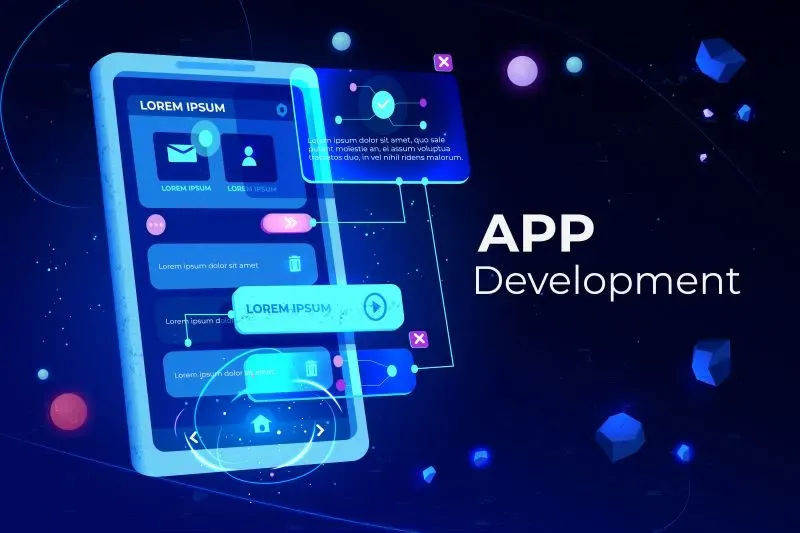

In today's digital-first economy, mobile apps are no longer a luxury—they're a necessity. Whether you're a startup looking to disrupt an industry or an enterprise aiming to improve customer engagement, a well-designed mobile application can become one of your most valuable business assets.
However, building a successful app involves much more than creating an attractive interface. Scalability, performance, security, and user experience all play critical roles in determining whether an app thrives or fails. This is why partnering with the right Mobile application development company is often the difference between a successful digital product and one that struggles to gain traction.
In this guide, we'll explore how businesses can build scalable iOS and Android applications, key development considerations, common challenges, and factors that influence app development costs.
Why Mobile Apps Continue to Drive Business Growth
Mobile devices have become the primary way people interact with businesses. Consumers shop, book appointments, order food, manage finances, and communicate through mobile applications every day.
For businesses, mobile apps offer several advantages:
- Improved customer engagement
- Personalized user experiences
- Higher customer retention
- Direct communication channels
- Increased revenue opportunities
- Better operational efficiency
Companies that invest in scalable mobile applications position themselves to adapt quickly as customer expectations evolve.
What Makes a Mobile App Scalable?
Scalability refers to an application's ability to handle growing numbers of users, transactions, and data without sacrificing performance.
Imagine launching a food delivery app that serves 5,000 users initially. A few months later, a marketing campaign brings in 500,000 users. If the application wasn't built with scalability in mind, crashes, slow load times, and poor user experiences become inevitable.
A scalable mobile app is designed to:
- Support increasing user traffic
- Handle large volumes of data
- Maintain fast response times
- Integrate with future technologies
- Accommodate new features easily
Scalability isn't something developers add later. It must be planned from the very beginning of the development process.
Choosing Between iOS and Android Development
One of the first decisions businesses face is selecting the target platform.
iOS App Development
Apple users are often associated with higher purchasing power and strong brand loyalty. iOS applications typically benefit from:
- Consistent device ecosystem
- Enhanced security
- Faster software adoption
- Strong performance optimization
Businesses targeting premium markets often prioritize iOS development.
Android App Development
Android dominates the global smartphone market and offers broader reach.
Benefits include:
- Larger user base
- Greater device diversity
- Wider market penetration
- Flexible customization options
For companies targeting mass-market audiences, Android development is usually essential.
Cross-Platform Development
Modern frameworks such as React Native and Flutter allow businesses to build applications for both platforms using a shared codebase.
Advantages include:
- Faster development
- Lower maintenance costs
- Reduced time-to-market
- Consistent user experience
Many organizations work with a Mobile application development company that specializes in cross-platform solutions to maximize efficiency while maintaining quality.
Essential Components of a Scalable Mobile App
Robust Backend Infrastructure
The backend powers everything users don't see.
A strong backend handles:
- User authentication
- Data storage
- API management
- Payment processing
- Notifications
Cloud platforms such as AWS, Azure, and Google Cloud help applications scale dynamically based on demand.
Intuitive User Experience
Even the most technically advanced app will struggle if users find it difficult to navigate.
Key UX priorities include:
- Fast loading speeds
- Simple navigation
- Clear visual hierarchy
- Responsive design
- Accessibility features
The goal is to make every interaction feel effortless.
Security and Compliance
Data breaches can damage customer trust and lead to regulatory penalties.
Scalable apps should include:
- End-to-end encryption
- Multi-factor authentication
- Secure APIs
- Regular security audits
- Compliance with GDPR, HIPAA, or industry-specific regulations
Security should be integrated throughout the development lifecycle rather than treated as an afterthought.
Performance Optimization
Users expect apps to respond instantly.
Performance improvements often include:
- Efficient database management
- Image optimization
- Code refactoring
- Content delivery networks (CDNs)
- Real-time monitoring tools
Even a one-second delay can negatively impact engagement and conversions.
The Mobile App Development Process
Discovery and Strategy
Every successful app begins with understanding business goals, target users, and market opportunities.
During this phase, teams define:
- Business objectives
- User personas
- Feature requirements
- Competitive analysis
- Monetization strategy
A strong foundation reduces risks later in development.
UI/UX Design
Designers create wireframes, prototypes, and user journeys that visualize the application experience.
The focus is on balancing functionality with simplicity.
Development
Developers build both frontend and backend components while integrating third-party services and APIs.
Agile methodologies are commonly used to allow continuous improvements throughout development.
Testing and Quality Assurance
Before launch, the app undergoes rigorous testing to identify bugs, performance issues, and usability concerns.
Testing typically includes:
- Functional testing
- Security testing
- Performance testing
- Device compatibility testing
- User acceptance testing
Deployment and Ongoing Maintenance
Launching an app is only the beginning.
Post-launch activities include:
- Monitoring performance
- Releasing updates
- Fixing bugs
- Adding new features
- Scaling infrastructure
Continuous optimization helps applications remain competitive.
How Much Does It Cost to Build an App?
One of the most common questions businesses ask is: how much does it cost to build an app?
The answer depends on several factors:
App Complexity
A simple application with basic functionality may cost significantly less than a complex platform with AI features, payment systems, or real-time communication capabilities.
Platform Selection
Developing separate native apps for iOS and Android generally requires more resources than building a cross-platform solution.
Design Requirements
Custom animations, advanced interactions, and unique branding increase development effort.
Integrations
Third-party integrations such as payment gateways, CRM systems, maps, analytics platforms, and cloud services can impact overall costs.
Development Team Location
Development rates vary by region, expertise level, and project scope.
When evaluating budgets, businesses should focus on long-term value rather than selecting the lowest-cost option.
If you're wondering how much does it cost to build an app, the best approach is to define requirements clearly and request a detailed project estimate from experienced development partners.
Common Mistakes Businesses Should Avoid
Many organizations encounter avoidable challenges during app development.
Some of the most common mistakes include:
Prioritizing Features Over User Needs
Adding excessive functionality often creates confusion rather than value.
Ignoring Scalability
Building for current users only can create expensive redevelopment projects later.
Underestimating Maintenance
Apps require continuous updates to remain secure and competitive.
Skipping Market Research
Understanding customer expectations helps shape better products.
Choosing Partners Based Solely on Price
Selecting a development provider based only on cost can result in poor quality, missed deadlines, and technical debt.
How to Choose the Right Mobile App Development Partner
Selecting the right development team is one of the most important decisions you'll make.
Look for a provider that offers:
- Proven industry experience
- Strong technical expertise
- Transparent communication
- Agile development processes
- Post-launch support
- Scalable architecture capabilities
An experienced Mobile application development company can guide businesses through strategy, design, development, testing, deployment, and long-term optimization.
Reviewing case studies, client testimonials, and technical capabilities can help identify the right fit.
Conclusion
Mobile applications have become a powerful driver of business growth, customer engagement, and digital transformation. However, creating a successful app requires more than simply launching a product—it requires careful planning, scalable architecture, exceptional user experience, and ongoing optimization.
Businesses that invest in the right technology foundation today will be better prepared for future growth tomorrow. Whether you're developing an iOS application, an Android solution, or a cross-platform product, partnering with an experienced Mobile application development company can significantly improve your chances of success.
The key takeaway is simple: build for scale from day one, focus on user needs, and choose development partners who can support your long-term business vision.





























Sign in to leave a comment.