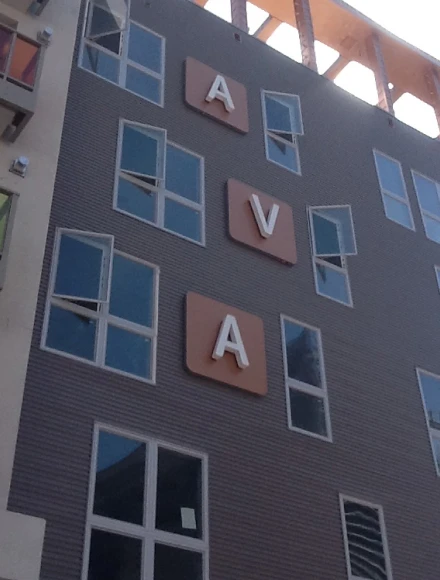

In today’s competitive real estate landscape, design is no longer limited to interiors and architecture—it extends to every touchpoint a resident or visitor experiences. One often overlooked yet highly impactful element is multifamily housing signage. From first impressions at the entrance to seamless navigation within the property, signage plays a crucial role in shaping perception, usability, and brand identity.
Modern apartment signage design has evolved significantly in recent years, embracing a philosophy where minimalism meets functionality. This approach prioritizes clarity, aesthetics, and efficiency, creating signage systems that are both visually appealing and purpose-driven.
The Shift Toward Minimalism in Apartment Signage Design
Minimalism in design is rooted in the principle of “less is more.” In the context of apartment signage design, this translates into clean lines, simple typography, and uncluttered layouts. Instead of overwhelming residents and visitors with excessive information or decorative elements, modern signage focuses on delivering essential information in the clearest possible way.
This shift is driven by several factors:
- Urban living trends that favor sleek, contemporary aesthetics
- Cognitive ease, allowing people to process information quickly
- Brand alignment, especially for upscale or modern multifamily communities
Minimalist signage often uses neutral color palettes, high-contrast text, and durable materials like metal, acrylic, or glass. The result is a polished look that complements modern architecture while enhancing readability.
Functionality: The Core of Effective Signage
While aesthetics are important, functionality remains the backbone of any successful multifamily signage solutions strategy. Signage must serve a clear purpose—guiding, informing, and ensuring safety.
Key functional aspects include:
1. Clarity and Readability
Effective signage communicates messages instantly. Fonts should be legible from a distance, and text should be concise. Overly decorative fonts or crowded layouts can compromise usability.
2. Strategic Placement
Even the best-designed sign fails if placed incorrectly. Entrance signs, directional markers, and building identifiers should be positioned where users naturally look for guidance.
3. Consistency Across the Property
A cohesive signage system ensures that all elements—from parking signs to unit numbers—follow the same design language. This consistency reinforces branding and prevents confusion.
4. Durability and Maintenance
Outdoor signage must withstand weather conditions, while indoor signs should resist wear and tear. High-quality materials reduce long-term maintenance costs and preserve the property’s image.
The Role of Apartment Wayfinding Signage
One of the most critical components of modern signage systems is apartment wayfinding signage. In large multifamily communities, navigation can quickly become overwhelming without a clear system in place.
Effective wayfinding signage:
- Guides visitors from entry points to specific units or amenities
- Reduces frustration and improves the overall experience
- Minimizes interruptions for staff and residents who might otherwise need to give directions
Minimalist wayfinding design often uses:
- Simple arrows and universally recognized symbols
- Clear hierarchical information (e.g., building → floor → unit)
- Consistent color coding for different zones or buildings
By combining simplicity with intuitive design, wayfinding signage enhances both usability and satisfaction.
Integrating Branding into Multifamily Housing Signage
Signage is a powerful branding tool. Every sign within a property contributes to the community’s identity and perception. Modern multifamily housing signage integrates branding subtly yet effectively through:
- Logo placement on entrance and monument signs
- Consistent color schemes aligned with the property’s visual identity
- Typography choices that reflect the brand’s personality (luxury, family-friendly, urban, etc.)
Minimalism plays a key role here as well. Instead of overwhelming users with branding elements, modern designs incorporate them in a refined, understated manner that feels cohesive rather than intrusive.
Technology and Innovation in Signage Design
The evolution of property signage services has introduced new technologies that enhance both functionality and aesthetics. Digital signage, for example, is becoming increasingly popular in multifamily properties.
Benefits of digital signage include:
- Real-time updates for announcements and events
- Interactive directories for easier navigation
- Reduced need for physical replacements
Additionally, sustainable materials and energy-efficient lighting solutions are gaining traction, aligning with eco-conscious development trends.
Common Mistakes to Avoid
Even with the best intentions, poorly executed signage can detract from a property’s appeal. Here are some common pitfalls:
- Overdesigning: Too many elements can confuse rather than inform
- Inconsistent styles: Mixing different fonts, colors, or materials disrupts cohesion
- Poor placement: Signs that are hard to find or read defeat their purpose
- Neglecting maintenance: Faded or damaged signage creates a negative impression
Avoiding these mistakes ensures that your signage system remains both functional and visually aligned with modern design principles.
The Business Impact of Thoughtful Signage
Investing in well-designed multifamily signage solutions is not just about aesthetics—it delivers measurable business benefits:
- Improved resident experience, leading to higher retention rates
- Enhanced property value through cohesive design and branding
- Increased leasing conversions by creating strong first impressions
- Operational efficiency by reducing confusion and staff interruptions
In a market where differentiation is key, signage can become a subtle yet powerful competitive advantage.
Conclusion
Modern apartment signage design is no longer an afterthought—it is an integral component of a property’s overall strategy. By embracing minimalism and prioritizing functionality, property owners and managers can create signage systems that are clear, cohesive, and visually compelling.
From intuitive apartment wayfinding signage to branded entry displays, every element should work together to enhance the resident and visitor experience. When executed correctly, multifamily housing signage becomes more than just directional—it becomes a reflection of the community itself.
For property owners looking to elevate their signage strategy, partnering with experienced providers like Caliber Signs and Imaging ensures access to tailored, high-quality property signage services that align with modern design standards and deliver lasting impact.


























Sign in to leave a comment.