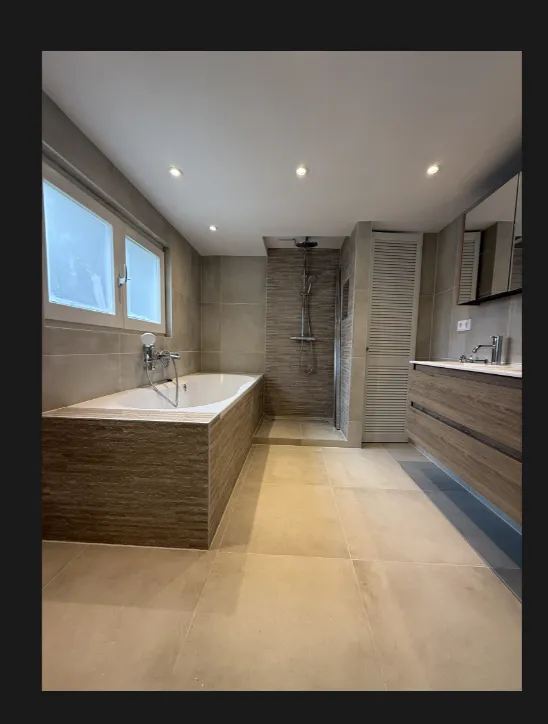

Bathroom design in the Netherlands has evolved significantly over the past decade. Dutch homeowners increasingly view the bathroom not only as a functional space but also as a place for relaxation, comfort, and modern aesthetics. As living standards continue to rise and sustainability becomes a national priority, bathroom renovation trends in the Netherlands reflect a balance between minimalism, practicality, eco-consciousness, and luxury.
Today, modern Dutch bathrooms combine clean architectural lines, natural materials, smart technologies, and space-saving solutions. Whether renovating a compact apartment bathroom in Amsterdam or redesigning a spacious family home in Rotterdam, homeowners are looking for timeless styles that increase both comfort and property value.
In this article, we explore the most popular modern bathroom renovation styles in the Netherlands, including key design features, materials, colors, technologies, and practical ideas for creating a contemporary Dutch bathroom.
The Rise of Minimalist Dutch Bathroom Design
Minimalism has long been associated with Dutch interior design. This approach emphasizes simplicity, functionality, and uncluttered spaces. In bathroom renovations, minimalist design continues to dominate throughout the Netherlands.
Modern Dutch bathrooms typically feature:
- Neutral color palettes
- Floating vanities
- Frameless walk-in showers
- Hidden storage solutions
- Large-format tiles
- Clean geometric lines
The minimalist style works especially well in urban apartments where bathroom space may be limited. Dutch designers focus on maximizing functionality without sacrificing elegance.
White, beige, soft gray, and earthy tones remain popular because they create a calm and airy atmosphere. Matte finishes are replacing glossy surfaces, adding sophistication and warmth to the overall design.
Minimalist bathrooms also emphasize quality over excess. Rather than filling the room with decorative elements, homeowners prefer durable premium materials and carefully selected fixtures.
Scandinavian Influence on Dutch Bathrooms
Scandinavian design has had a strong influence on bathroom renovation trends across the Netherlands. The combination of natural textures, warm wood elements, and bright interiors aligns perfectly with Dutch preferences for cozy yet modern living spaces.
Popular Scandinavian-inspired features include:
- Light oak bathroom furniture
- White walls and tiles
- Black matte fixtures
- Soft ambient lighting
- Natural stone sinks
- Organic textures
This style creates a warm and inviting atmosphere while maintaining simplicity and practicality.
Dutch homeowners appreciate Scandinavian functionality because it works well in both large and small bathrooms. Floating wooden vanities paired with minimalist mirrors and open shelving create a balanced modern look without making the room feel crowded.
Sustainable Bathroom Renovation Trends
Sustainability is one of the biggest priorities in the Netherlands, and bathroom renovations are increasingly focused on eco-friendly solutions. Modern homeowners are looking for ways to reduce water consumption, improve energy efficiency, and use environmentally responsible materials.
Eco-conscious bathroom upgrades often include:
- Water-saving toilets
- Low-flow showerheads
- LED lighting systems
- Recycled materials
- Energy-efficient underfloor heating
- Smart water management systems
Sustainable materials such as bamboo, reclaimed wood, recycled glass, and eco-certified tiles are becoming more common in Dutch renovations.
Homeowners also invest in long-lasting products that reduce maintenance and replacement costs over time. Durability and environmental responsibility now go hand in hand in the modern bathroom renovation netherlands market.
Walk-In Showers as a Dutch Favorite
One of the most noticeable bathroom trends in the Netherlands is the popularity of walk-in showers. Traditional shower cabins are increasingly being replaced with open, frameless designs that create a spacious and luxurious appearance.
Walk-in showers offer several advantages:
- Easier cleaning and maintenance
- Better accessibility
- Modern aesthetics
- Improved visual space
- Flexible layout options
Large rain showers are especially popular in modern Dutch homes. Many renovations also include built-in niches for storage, linear drains, and large porcelain tiles that minimize grout lines.
Glass partitions are often kept minimal or omitted entirely to create an open spa-like environment.
In smaller Dutch apartments, walk-in showers help maximize available space and improve functionality without compromising style.
Natural Materials and Earthy Textures
Dutch bathroom design increasingly embraces natural materials that create warmth and tranquility. Stone, wood, concrete, and textured ceramics are frequently used to soften minimalist interiors.
Popular natural elements include:
- Travertine tiles
- Concrete sinks
- Wooden vanity units
- Stone-effect porcelain
- Clay-colored walls
- Terrazzo surfaces
Earthy textures help create a relaxing spa atmosphere while adding visual depth to the room.
Many homeowners combine smooth modern surfaces with rough organic textures to achieve balance. For example, sleek black fixtures may be paired with warm oak cabinetry and natural stone flooring.
This trend reflects a broader movement toward wellness-focused interior design throughout Europe.
Smart Bathroom Technology
Technology is playing an increasingly important role in modern bathroom renovations across the Netherlands. Smart solutions improve convenience, hygiene, comfort, and energy efficiency.
Popular smart bathroom features include:
- Motion-sensor lighting
- Heated mirrors
- Digital shower controls
- Smart toilets
- Programmable underfloor heating
- Bluetooth speakers
- Anti-fog mirrors
Smart showers allow users to control water temperature and flow digitally, while intelligent toilets offer advanced hygiene functions and water-saving features.
Heated flooring is particularly valued in the Dutch climate, where colder seasons make bathroom comfort especially important.
Homeowners increasingly seek integrated technology that enhances daily routines while maintaining clean minimalist aesthetics.
Industrial Bathroom Style
Industrial design continues to be highly popular in Dutch urban interiors, especially in cities like Amsterdam, Utrecht, and Rotterdam.
Industrial bathrooms typically feature:
- Concrete finishes
- Black steel accents
- Exposed pipes
- Dark color palettes
- Brick textures
- Matte black fixtures
This style combines raw architectural elements with modern functionality.
Concrete-look tiles and microcement walls are frequently used to create an urban contemporary appearance. Black-framed shower glass partitions add structure and contrast to lighter surfaces.
Industrial bathrooms work especially well in renovated loft apartments and modern townhouses.
Despite their bold appearance, Dutch industrial bathrooms still maintain a sense of simplicity and practicality.
Spa-Inspired Luxury Bathrooms
As homeowners increasingly prioritize wellness and self-care, spa-inspired bathroom renovations have become extremely popular in the Netherlands.
Luxury spa bathrooms often include:
- Freestanding bathtubs
- Rainfall showers
- Warm ambient lighting
- Natural stone finishes
- Aromatherapy systems
- Large mirrors
- Heated towel racks
The goal is to create a calm retreat that promotes relaxation and stress reduction.
Neutral colors dominate spa-style bathrooms, including sand, beige, cream, and soft gray tones.
Lighting design plays a major role in achieving the desired atmosphere. Layered lighting with dimmable LED fixtures helps create a soothing environment suitable for both morning routines and evening relaxation.
Many Dutch homeowners now view the bathroom as a personal wellness space rather than merely a practical room.
Space-Saving Solutions for Small Dutch Bathrooms
Many homes and apartments in the Netherlands have relatively compact bathrooms, especially in historic city centers. As a result, efficient space utilization is a key aspect of modern renovation projects.
Popular space-saving ideas include:
- Wall-mounted toilets
- Floating vanities
- Recessed storage
- Sliding doors
- Corner sinks
- Large mirrors
- Compact walk-in showers
Dutch designers are highly skilled at optimizing small spaces without making them feel cramped.
Large-format tiles and seamless surfaces visually expand the room, while concealed storage helps reduce clutter.
Vertical storage solutions are also common, especially in apartments where floor space is limited.
Minimalist layouts ensure that even small bathrooms remain stylish, comfortable, and functional.
Popular Bathroom Color Trends in the Netherlands
Bathroom color palettes in the Netherlands have shifted away from cold sterile whites toward warmer and more natural tones.
Trending colors include:
- Warm beige
- Soft taupe
- Sage green
- Sand tones
- Charcoal gray
- Terracotta accents
- Matte black details
Earth-inspired palettes help create calm and timeless interiors.
Green tones have become especially popular because they introduce a subtle connection to nature without overwhelming the space.
Black fixtures continue to dominate modern bathroom design, offering elegant contrast against neutral backgrounds.
Rather than bold colors, Dutch homeowners generally prefer understated sophistication that remains visually appealing for many years.
Freestanding Bathtubs as Statement Pieces
Freestanding bathtubs have become a central feature in many premium bathroom renovations throughout the Netherlands.
These tubs serve both functional and aesthetic purposes, transforming the bathroom into a luxurious retreat.
Popular bathtub styles include:
- Oval minimalist tubs
- Matte white finishes
- Stone composite bathtubs
- Japanese soaking tubs
- Sculptural modern designs
Freestanding tubs are often positioned near windows or paired with floor-mounted faucets to create a hotel-inspired atmosphere.
Even though Dutch bathrooms are sometimes compact, homeowners increasingly prioritize space for a relaxing bathtub experience whenever possible.
Underfloor Heating in Dutch Bathrooms
Underfloor heating has become almost standard in modern bathroom renovations across the Netherlands.
Benefits include:
- Increased comfort
- Better energy efficiency
- Improved aesthetics
- Even heat distribution
- Reduced moisture problems
Because Dutch homes often experience damp and cold weather, warm flooring significantly improves daily comfort.
Underfloor heating also allows for cleaner bathroom designs by eliminating bulky radiators.
This system works especially well with stone and porcelain tile surfaces commonly used in contemporary Dutch bathrooms.
Large Tiles and Seamless Surfaces
Large-format tiles are increasingly preferred in modern Dutch bathroom design. They create a cleaner appearance with fewer grout lines and contribute to a spacious visual effect.
Popular tile choices include:
- Marble-look porcelain
- Concrete-effect tiles
- Stone textures
- Matte ceramics
- Neutral oversized slabs
Seamless surfaces are particularly valued in minimalist interiors because they enhance visual continuity and simplify maintenance.
Microcement is also growing in popularity as a modern alternative to traditional tiles. It provides a smooth contemporary appearance suitable for walls, floors, and shower areas.
Black Fixtures and Modern Hardware
Black fixtures have become one of the defining elements of modern bathroom renovations in the Netherlands.
Matte black finishes are commonly used for:
- Faucets
- Shower systems
- Mirror frames
- Towel rails
- Cabinet handles
- Shower partitions
Black accents provide contrast and sophistication while complementing both minimalist and industrial styles.
Although chrome fixtures remain popular, matte black has become the preferred option for many contemporary renovations.
This trend reflects the broader movement toward bold but timeless design details.
The Importance of Lighting Design
Lighting is a crucial aspect of modern bathroom renovation in the Netherlands. Contemporary bathrooms use layered lighting to improve both functionality and atmosphere.
Typical lighting combinations include:
- Ceiling spotlights
- LED mirror lighting
- Indirect ambient lighting
- Shower niche illumination
- Under-vanity lighting
Warm LED tones are favored because they create a more relaxing environment compared to harsh cool lighting.
Smart lighting systems allow homeowners to adjust brightness levels according to different moods and times of day.
Well-designed lighting enhances materials, textures, and architectural features while making the bathroom feel larger and more inviting.
Custom Storage Solutions
Storage is essential in Dutch bathrooms where efficient use of space is highly valued.
Modern renovations often include:
- Built-in cabinets
- Hidden compartments
- Floating shelves
- Recessed wall niches
- Vanity drawers with organizers
Custom storage helps maintain minimalist aesthetics by reducing visible clutter.
Homeowners prefer practical solutions that blend seamlessly into the overall design rather than bulky standalone furniture.
Integrated storage systems are especially important in family bathrooms where multiple users require organized space.
Timeless Design Over Short-Term Trends
One of the defining characteristics of Dutch bathroom renovation culture is the preference for timeless design.
Rather than following temporary trends, homeowners often invest in:
- Neutral palettes
- Durable materials
- High-quality fixtures
- Functional layouts
- Sustainable solutions
This long-term approach increases property value while reducing the need for future renovations.
Dutch consumers generally prioritize practicality and longevity over excessive decoration.
As a result, modern bathrooms in the Netherlands tend to remain stylish and functional for many years.
Conclusion
Modern bathroom renovation styles in the Netherlands reflect a sophisticated combination of minimalism, sustainability, comfort, and innovation. Dutch homeowners seek spaces that are visually calm, highly functional, environmentally responsible, and built to last.
From Scandinavian warmth and industrial elegance to spa-inspired luxury and smart technology integration, today’s Dutch bathroom designs focus on improving everyday quality of life.
Walk-in showers, natural materials, large-format tiles, black fixtures, and eco-friendly systems continue to shape the future of bathroom design across the country.
Whether renovating a compact urban bathroom or designing a luxurious wellness retreat, the key principles remain the same: simplicity, efficiency, durability, and timeless beauty.
As design trends continue to evolve, the Netherlands remains at the forefront of creating bathrooms that successfully combine modern aesthetics with practical living.





















Sign in to leave a comment.