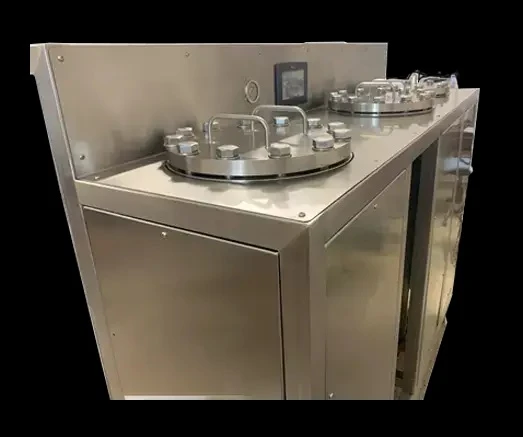

In the evolving world of botanical processing, innovation drives every improvement in quality and sustainability. The demand for precise and cleaner extraction technologies has never been higher, as industries continue to refine the art and science of isolating valuable plant compounds. Better Ethanol Extraction has emerged as one of the leading advancements transforming how natural elements are captured, purified, and utilized. By combining traditional solvent techniques with modern engineering, ethanol-based systems are achieving new levels of safety, efficiency, and purity — reshaping the standards for plant extraction worldwide.
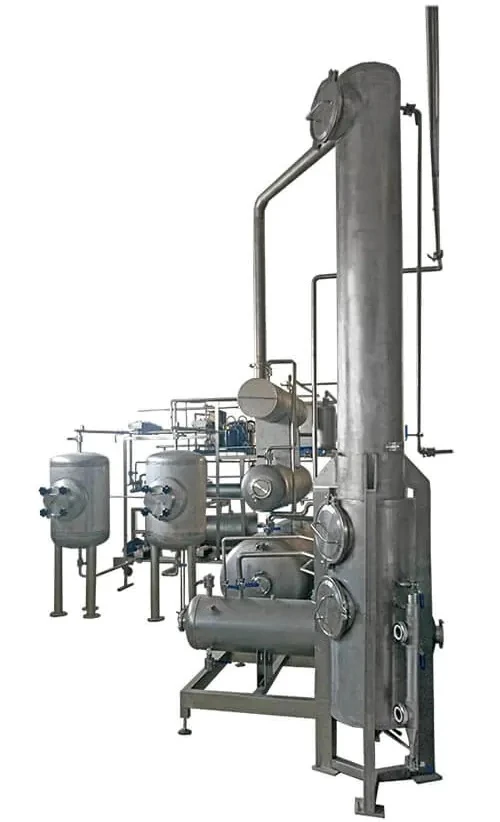
Understanding Ethanol’s Role in Botanical Science
Ethanol, commonly derived from renewable plant sources, serves as a versatile and safe solvent for extracting active compounds from organic matter. In extraction science, its unique ability to dissolve both polar and non-polar compounds allows it to isolate a broad range of molecules — from essential oils to cannabinoids — with minimal degradation.
Its long-standing use in food, cosmetic, and pharmaceutical industries makes ethanol an ideal choice for extraction. Unlike hydrocarbons such as butane or propane, ethanol offers reduced toxicity risks, easier handling, and compliance with safety regulations.
The Chemistry Behind Efficiency
The process begins when plant material is exposed to ethanol, allowing the solvent to absorb desirable compounds. Once extraction is complete, the ethanol is separated, evaporated, and recovered, leaving behind a concentrated plant extract.
The efficiency of this process depends on several factors — temperature, contact time, solvent-to-material ratio, and purity of the ethanol. Through precision control, extractors can minimize impurities like waxes, chlorophyll, and plant lipids while maximizing target compound recovery.
When fine-tuned, ethanol extraction offers one of the best balances between yield, speed, and safety in the entire spectrum of extraction technologies.
The Transition Toward Cleaner and Smarter Systems
As technology evolves, ethanol extraction has shifted from manual and batch-based systems to highly automated, closed-loop operations. These innovations reduce solvent loss, enhance safety, and maintain consistent product quality.
Cryogenic ethanol extraction, for instance, involves chilling the solvent to sub-zero temperatures before use. This method prevents unwanted plant compounds from dissolving, resulting in clearer, more potent extracts that require less post-processing.
Such techniques showcase how ethanol continues to evolve into a precise, environmentally conscious tool for high-quality botanical refinement.
The Advantages of Modern Ethanol Systems
- Safety and Compliance: Ethanol is classified as food-grade, making it safer and easier to obtain regulatory approvals for end products.
- Scalability: From small laboratories to large industrial facilities, ethanol extraction systems can be scaled easily without major infrastructure changes.
- Cost Efficiency: Compared to CO₂ or hydrocarbon extraction, ethanol systems are more affordable to maintain and operate long-term.
- Environmental Responsibility: Ethanol can be produced sustainably and recovered efficiently, reducing both cost and environmental impact.
These features make ethanol extraction one of the most accessible and sustainable solutions for producers aiming for consistency and purity.
Precision Engineering for Purity
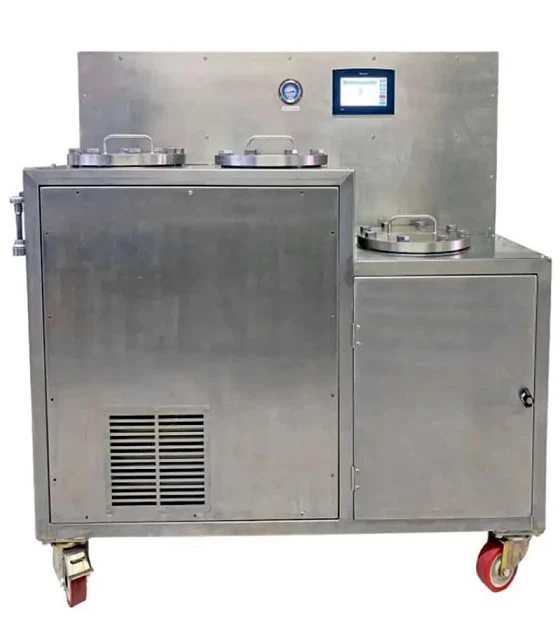
The push for Better Ethanol Extraction focuses on precision — achieving high-quality output while preserving the natural balance of the plant. This includes improvements in filtration, distillation, and recovery processes that ensure cleaner extracts without chemical residues.
In many modern setups, real-time monitoring tools measure temperature, solvent recovery rate, and compound purity, allowing technicians to adjust variables for optimal performance. Automation not only minimizes human error but also ensures repeatable results — a crucial requirement in industries demanding pharmaceutical-grade consistency.
Post-Processing Enhancements
After extraction, the crude oil undergoes a series of refinement stages to meet product-specific requirements. The most common steps include:
- Winterization: Cooling the ethanol-extracted oil to separate fats and waxes.
- Filtration: Removing solids and impurities to enhance clarity and flavor.
- Decarboxylation: Activating compounds by gently heating the extract.
- Distillation: Further refining the material to achieve the desired potency and purity.
Each of these steps plays an important role in transforming raw extracts into usable forms suitable for consumer products, research, or industrial applications.
Comparing Extraction Methods
While several extraction techniques exist — such as CO₂, hydrocarbon, and solventless methods — ethanol remains the most balanced option for industrial-scale production.
- Hydrocarbon extraction delivers rich terpene profiles but carries higher flammability risks.
- CO₂ extraction offers precision but is slower and more expensive to maintain.
- Solventless methods produce pure results but are limited by low yields.
Ethanol stands at the intersection of these techniques, providing scalability, safety, and broad-spectrum extraction efficiency.
Environmental and Economic Benefits
Ethanol is not only efficient but also sustainable. Modern systems recover nearly all solvent through distillation, dramatically reducing waste. Renewable ethanol sources, such as corn or sugarcane, further enhance environmental responsibility.
Energy-efficient recovery units and insulated systems now allow operators to minimize power usage and solvent consumption, creating eco-friendly extraction cycles. These sustainable innovations have positioned ethanol extraction as a leader in the global shift toward cleaner production.
The Future of Ethanol Extraction
The future promises even more integration between data analytics and extraction technology. Machine learning systems are being developed to predict yield optimization, automate adjustments, and monitor solvent performance in real time.
Additionally, hybrid methods that combine ethanol with low-pressure CO₂ or ultrasonic agitation are emerging, enabling extractors to fine-tune specific compound profiles. These breakthroughs signal a future where ethanol extraction becomes not only efficient but also intelligent.
As industries continue to demand higher standards of safety, purity, and sustainability, ethanol extraction’s versatility ensures its continued relevance. The evolution of equipment design and the adoption of energy-efficient systems will further solidify ethanol’s place as a cornerstone of botanical refinement.
In the modern era of plant-based innovation, the ability to extract pure, potent compounds efficiently defines success. With ongoing improvements in automation, sustainability, and scalability, ethanol remains one of the most reliable extraction solutions available today.
Its evolution reflects the industry’s commitment to innovation, quality, and environmental balance shaping a new era of excellence in extraction science.The continuous advancement of Better Ethanol Extraction highlights a future built on precision, sustainability, and the power of green chemistry principles that will continue to guide the industry forward.


























Sign in to leave a comment.