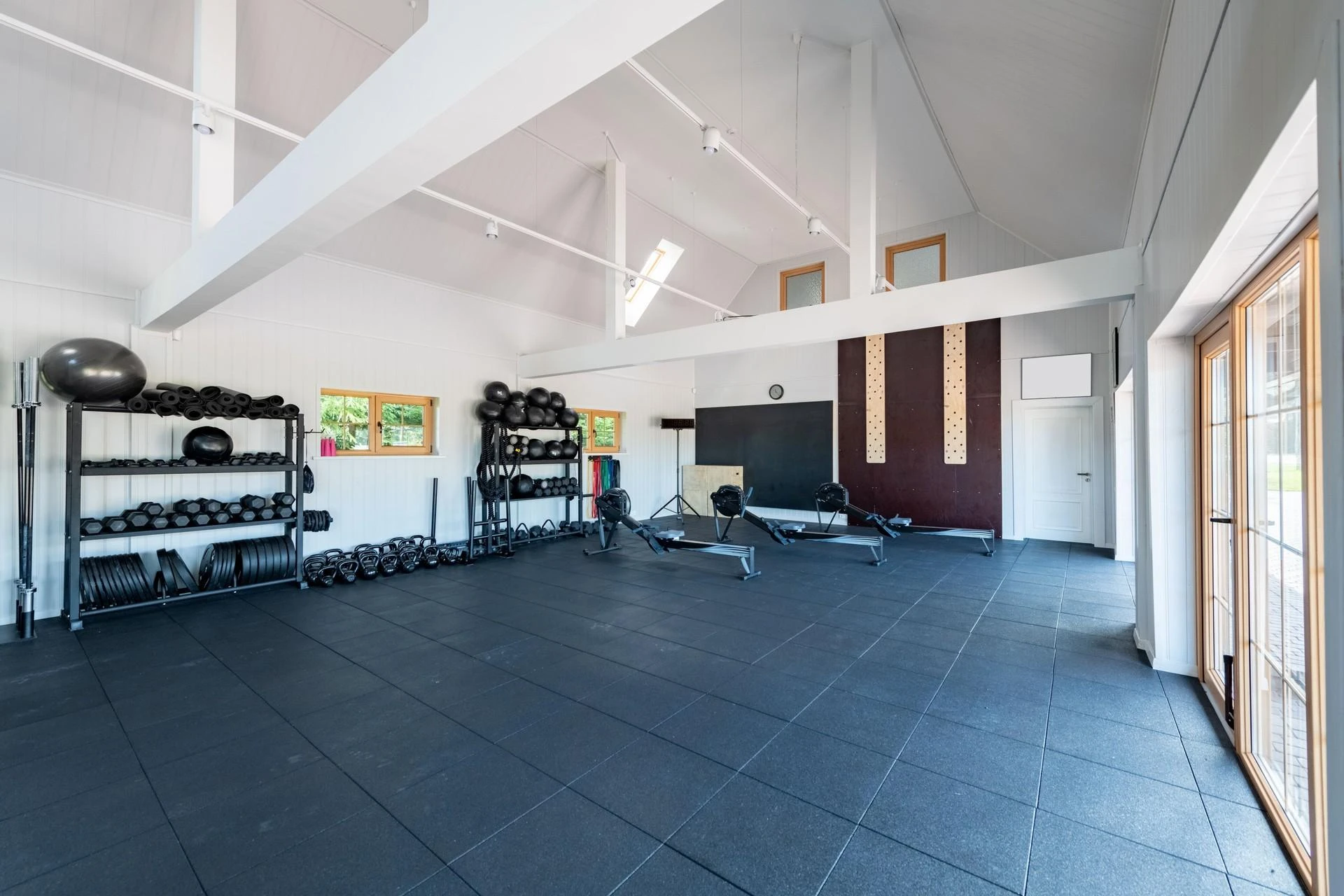

A good gym is not just about expensive machines or stylish interiors. What truly makes a gym effective is how well everything is planned and arranged. This is where gym floor plan design plays a major role. Whether it’s a large commercial fitness center or a compact home gym, a smart gym floor design helps people work out comfortably, safely, and efficiently.
In today’s fitness world, modern gym layouts focus on space management, user flow, and flexibility. Let’s understand how modern gym floor plan design works for both commercial and home gyms—and why it matters so much.
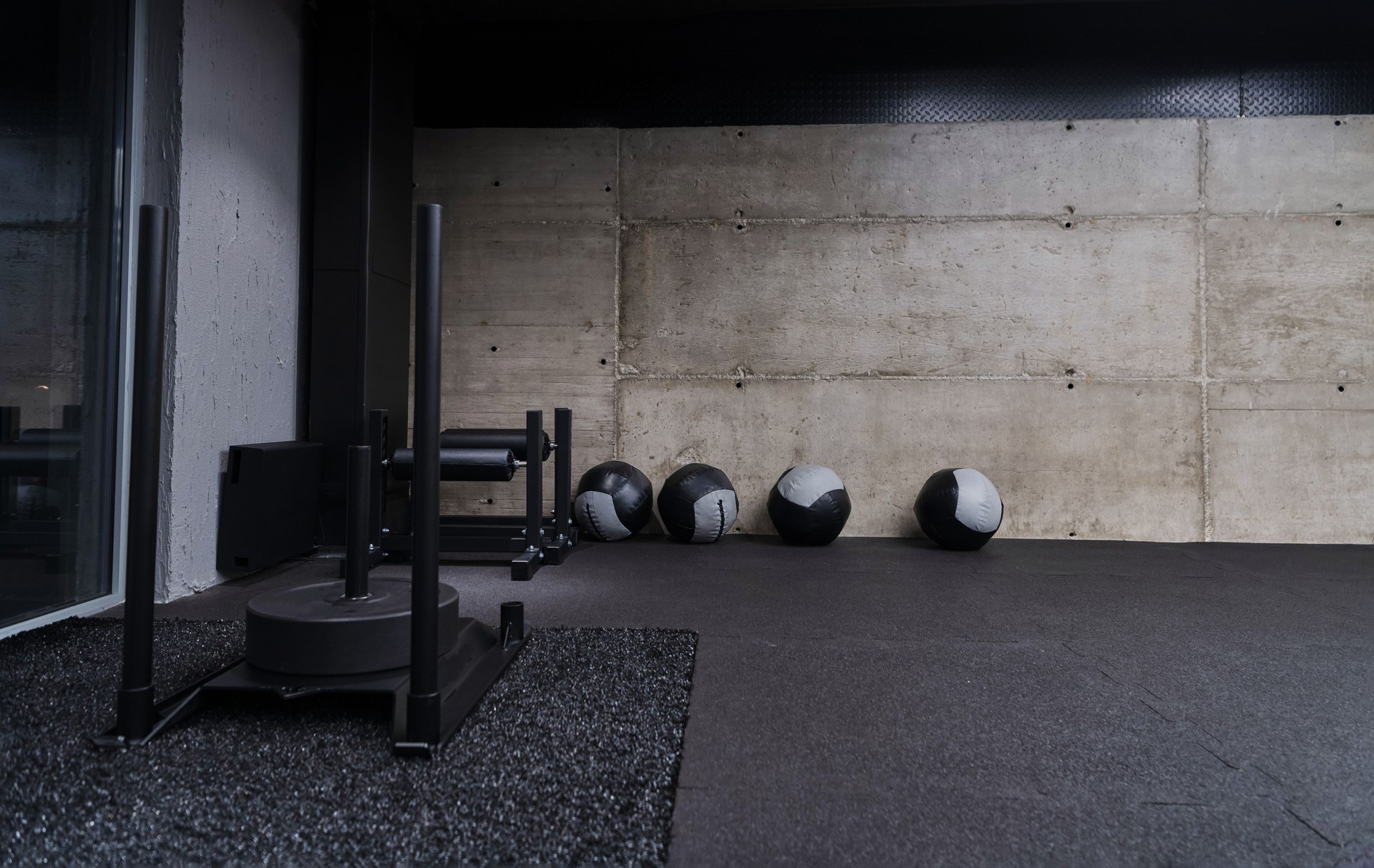
What Is Gym Floor Plan Design?
Gym floor plan design is the process of deciding where equipment, workout zones, walkways, and support areas should be placed inside a gym. A well-planned gym floor design ensures that users can move easily, avoid crowding, and enjoy their workouts without confusion or safety risks.
In simple words, it’s about making sure everything in the gym is placed in the right spot.
Why Gym Floor Design Is Important
A poor layout can make even a well-equipped gym feel cramped and uncomfortable. On the other hand, a thoughtful gym floor plan design can make a small gym look bigger and function better.
Here’s why it’s important:
- Improves movement and workout flow
- Reduces chances of accidents or injuries
- Makes the gym look clean and organized
- Helps users find equipment easily
- Increases member satisfaction in commercial gyms
Both commercial and home gyms benefit greatly from proper planning.
Modern Gym Floor Plan Design for Commercial Gyms
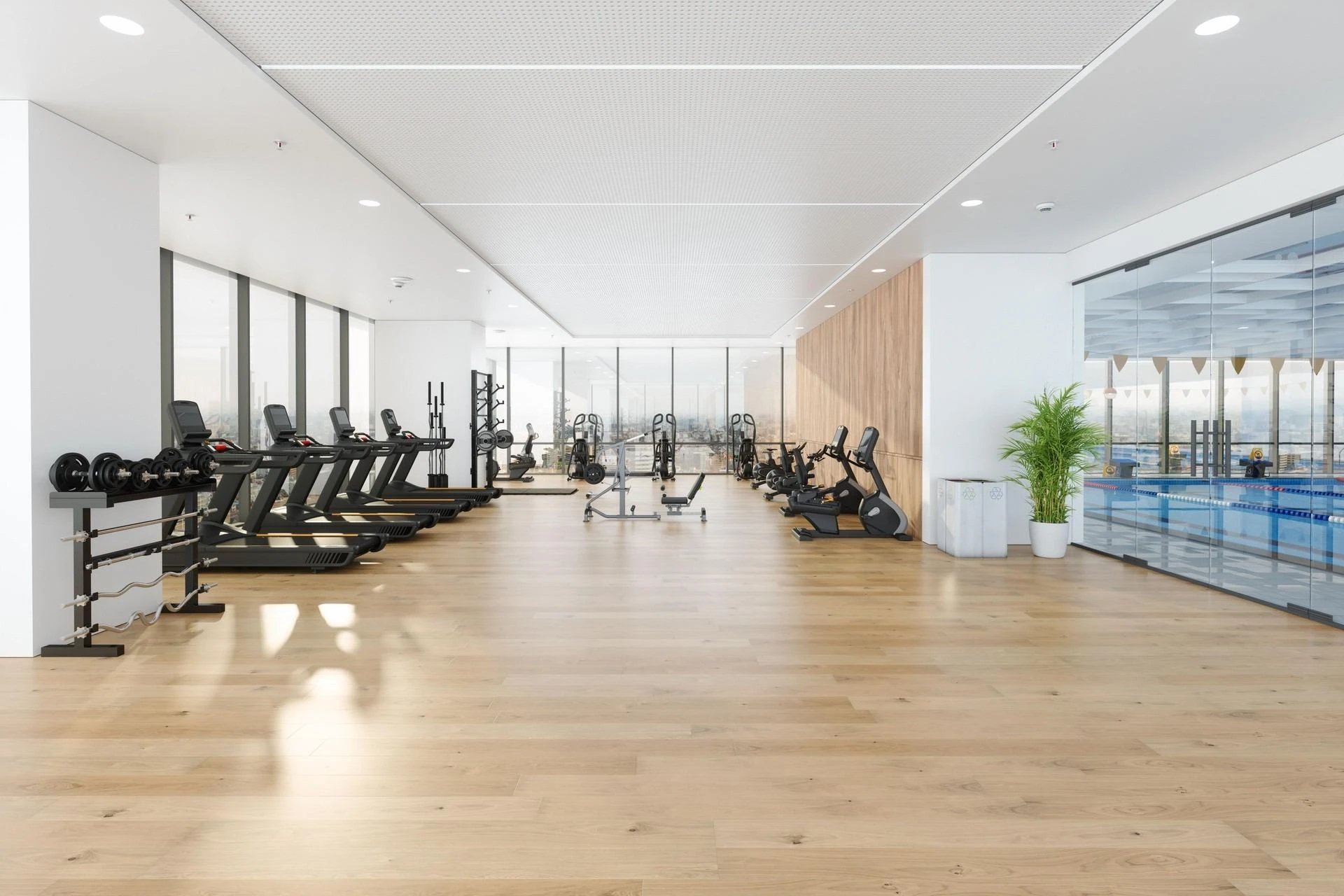
Commercial gyms usually serve many users at the same time. Because of this, their gym floor design must focus on crowd management and zone separation.
1. Zoned Layout
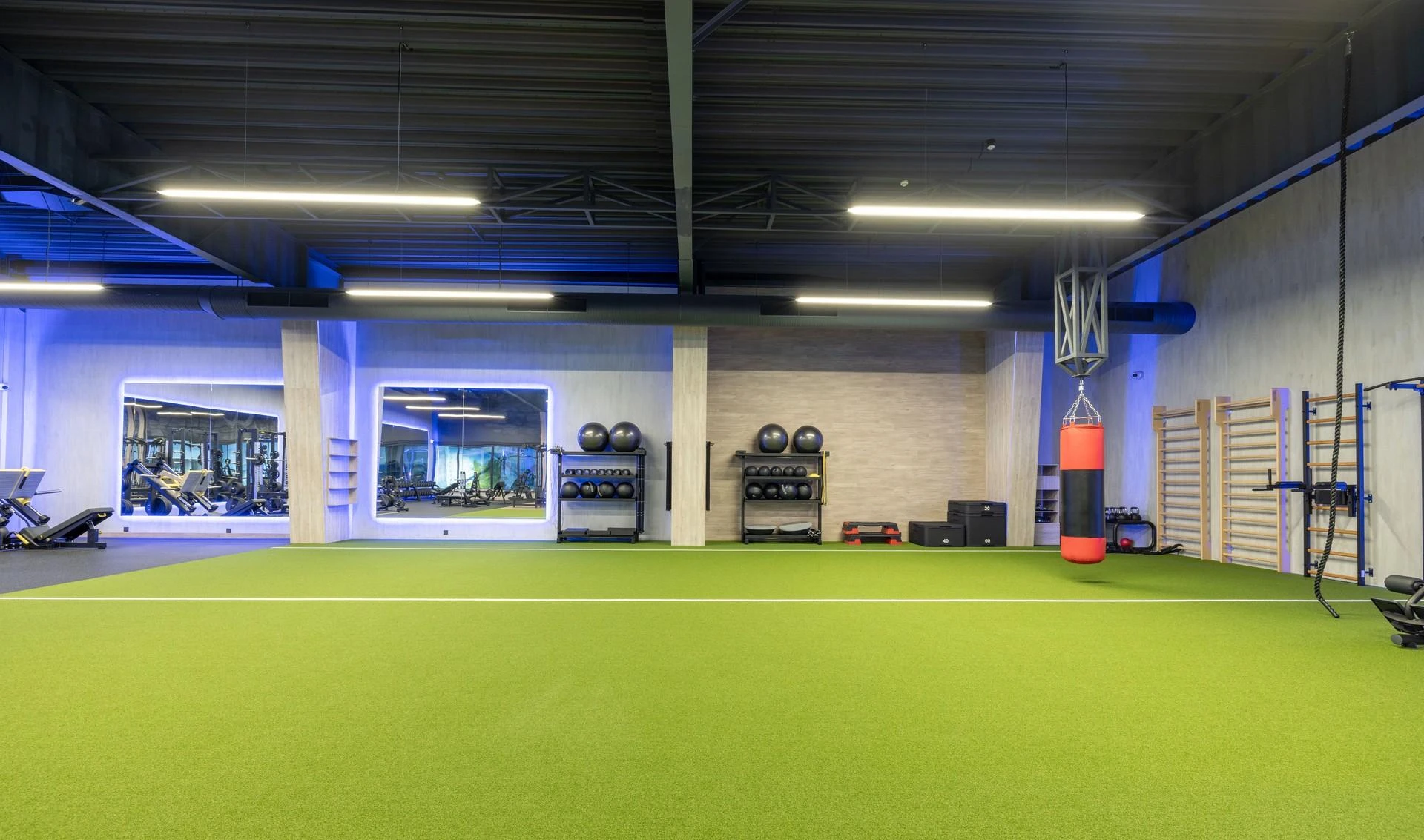
Modern commercial gyms divide space into clear zones such as:
- Cardio area
- Strength training area
- Free weights zone
- Functional training zone
- Stretching or recovery area
This type of gym floor plan design prevents overcrowding and allows multiple workouts to happen smoothly at the same time.
2. Open and Spacious Feel
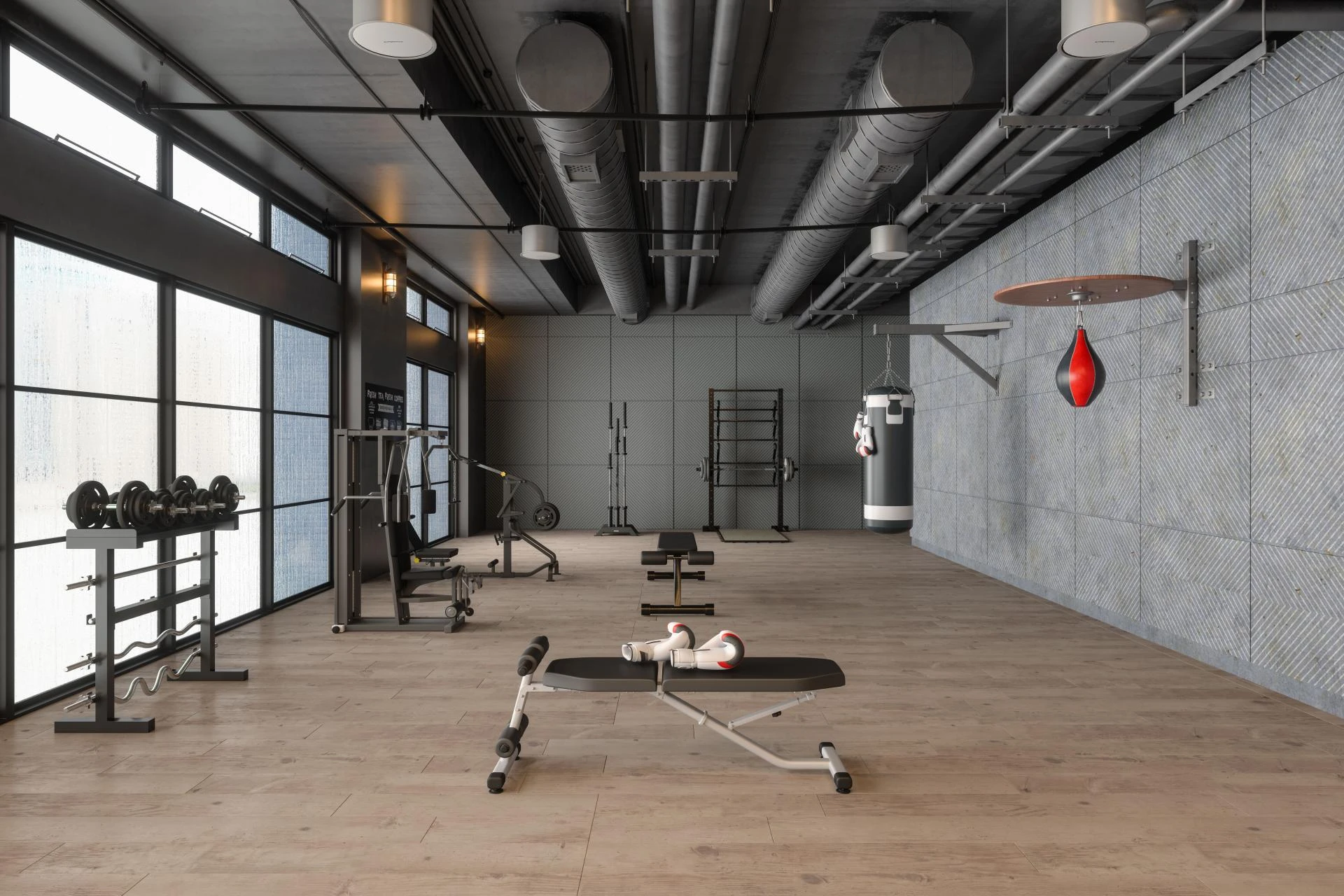
Modern gym layouts avoid tight corners and blocked walkways. Equipment is placed with enough gap so users can move freely. This also improves ventilation and lighting, making the gym feel more welcoming.
3. Safety and Accessibility
A smart gym floor design includes wide walkways, non-slip flooring, and easy access to emergency exits. Machines are placed with enough space to avoid collisions and ensure safe movement.
4. Flexible Layouts
Many modern gyms use modular layouts. Equipment can be moved or rearranged easily for group classes, special training sessions, or peak-hour crowd control.
Modern Gym Floor Plan Design for Home Gyms
Home gyms may be smaller, but layout planning is just as important. A good gym floor plan design can turn even a small room into a highly functional workout space.
1. Space Optimization
In home gyms, every inch matters. Modern gym floor design focuses on:
- Multi-purpose equipment
- Wall-mounted racks
- Foldable benches and machines
This helps keep the space open while still offering full workout options.
2. Defined Workout Areas
Even in a small room, dividing space helps. For example:
- One corner for cardio
- One wall for strength training
- An open area for stretching or yoga
This makes workouts feel organized and less cluttered.
3. Comfort and Personalization
Home gym layouts allow more personal choices. Lighting, mirrors, flooring type, and equipment placement can be customized based on user preference. A well-planned gym floor design makes home workouts more enjoyable and motivating.
Flooring and Its Role in Gym Floor Design
Flooring is a key part of gym layout planning. Modern gyms use flooring that matches the workout zone:
- Rubber flooring for weights
- Shock-absorbing floors for cardio
- Soft mats for stretching and yoga
The right flooring supports safety, reduces noise, and improves workout comfort. This is why flooring is always considered during gym floor plan design.
Common Mistakes to Avoid
When planning a gym layout, people often make these mistakes:
- Placing too many machines in one area
- Ignoring walking space
- Not separating noisy and quiet zones
- Poor lighting and ventilation
Avoiding these errors leads to a more effective and user-friendly gym floor design.
How a Good Gym Floor Plan Improves Results
A well-designed gym layout encourages better workouts. Users feel more comfortable, less stressed, and more focused. In commercial gyms, this means better member retention. In home gyms, it means higher motivation and consistent exercise habits.
Simply put, a smart gym floor plan design supports better fitness results without adding extra equipment.
Final Thoughts
Modern fitness spaces demand smart planning. Whether you are setting up a large commercial gym or a small home workout area, gym floor plan design should never be overlooked. A thoughtful gym floor design ensures safety, comfort, and efficiency for all users.
By focusing on proper zoning, open movement, correct flooring, and flexible layouts, modern gyms can offer a better workout experience. In the end, a well-planned gym floor is not just about looks—it’s about how well the space works for the people using it every day.





























Sign in to leave a comment.