

Mold is more than just an unsightly patch of discoloration on walls or ceilings - it is a silent invader that can compromise the structural integrity of buildings and pose serious health risks to occupants. Mold inspection and testing near me are crucial first steps in preventing mold-related issues from escalating into more dangerous and costly problems. These processes help identify not only the presence of mold but also the type and extent of the infestation, which is essential for effective remediation.
Mold thrives in damp, humid environments and often goes unnoticed until it becomes a widespread issue. Water leaks, flooding, high indoor humidity, and poor ventilation are common culprits behind mold growth. Unfortunately, mold does not always present itself visibly. It can grow behind walls, under carpets, and inside HVAC systems - out of sight and undetected for weeks or even months. This is where professional mold inspection and testing come in as preventive measures to catch problems early.
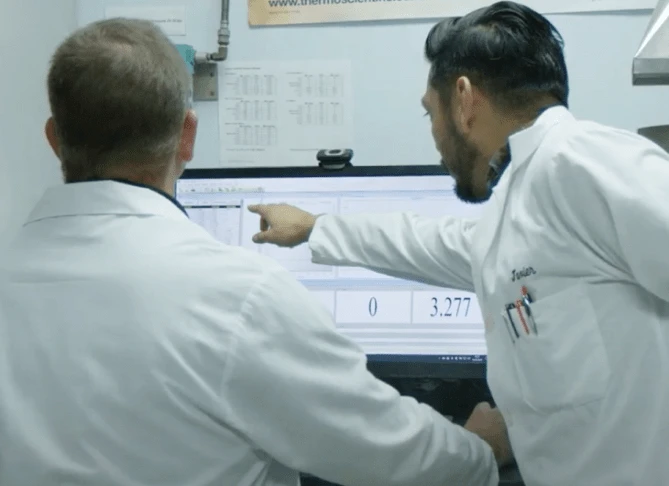
A mold inspection involves a thorough visual examination of a building by a certified professional. Inspectors look for signs of moisture, water damage, and mold growth. They may use specialized equipment such as moisture meters, infrared cameras, and borescopes to detect hidden mold colonies. When a potential mold problem is suspected, testing is usually conducted. Mold testing can include air sampling, surface sampling, and bulk sampling to determine the presence, concentration, and type of mold spores in the environment.
One of the biggest advantages of early mold inspection and testing is protecting the health of the occupants. Mold exposure, especially to toxic black mold (Stachybotrys chartarum), can trigger a wide range of health problems. These include allergic reactions, asthma attacks, respiratory infections, sinus congestion, skin rashes, and in extreme cases, neurological symptoms. Children, the elderly, and individuals with pre-existing health conditions are particularly vulnerable.
Beyond health concerns, mold can cause significant structural damage to homes and commercial properties. Mold feeds on organic materials like wood, drywall, and fabric, gradually breaking them down. Over time, this can weaken the structural integrity of a building, leading to costly repairs or even complete replacement of certain areas. Regular mold inspections can catch such issues early, saving property owners thousands of dollars in long-term repair costs.
Mold testing also provides valuable documentation for property owners. In the case of selling or renting out property, having a mold inspection report can reassure potential buyers or tenants that the property is safe. It also provides a baseline for future inspections. For landlords and property managers, mold testing helps meet legal obligations to provide safe and habitable living conditions. Ignoring mold problems can result in lawsuits, fines, and damaged reputations.
While some may be tempted to handle mold issues with DIY solutions, professional inspection and testing are far more reliable. Home test kits may not detect all types of mold or offer accurate readings of spore levels. Professionals, on the other hand, are trained to identify subtle signs of mold and use laboratory analysis to provide a detailed assessment.
It is also worth noting that mold can reappear if the underlying moisture issue is not resolved. A thorough inspection does more than identify mold - it also uncovers sources of moisture that need to be addressed to prevent future infestations. Whether it is a leaky roof, poor drainage, or faulty plumbing, fixing the root cause is key to long-term mold control.
Final Thoughts
Mold inspection and testing near me are essential tools in the proactive maintenance of any property. Whether you are a homeowner, landlord, or property manager, staying ahead of mold issues through timely inspection and testing is a responsibility you cannot afford to ignore.



























Sign in to leave a comment.