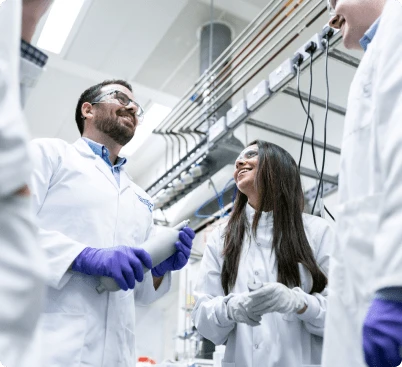

In today’s world, where industrial growth, urbanization, and technology rapidly advance, maintaining a safe and healthy environment has never been more important. Environmental testing services play a crucial role in protecting public health, preserving ecosystems, and ensuring compliance with safety standards. By analyzing air, water, soil, and other environmental factors, these services provide the data necessary to make informed decisions about community well-being and sustainable development.
Safeguarding Public Health
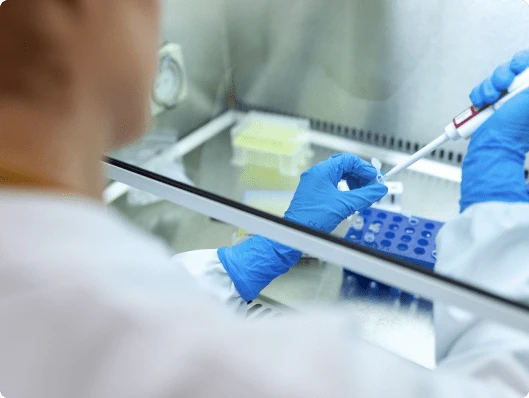
Environmental testing services are vital in preventing health risks caused by pollutants and toxins. Air quality assessments help identify harmful particles, while water testing ensures safe drinking and recreational supplies. Soil analysis is equally important for identifying contaminants that can affect food crops. Without regular testing, communities may unknowingly face exposure to substances that cause respiratory illnesses, waterborne diseases, or long-term health issues.
Supporting Regulatory Compliance
Businesses and industries must adhere to environmental regulations to operate legally and responsibly. Testing services provide accurate data that ensures compliance with government guidelines and industry standards. From construction companies to manufacturing plants, organizations rely on these assessments to avoid penalties and maintain their licenses. Regular testing demonstrates a commitment to safety and environmental responsibility, enhancing an organization’s reputation.
Protecting Natural Resources
Natural resources are finite, and protecting them requires constant monitoring. Environmental testing helps detect pollution levels in rivers, lakes, and oceans, ensuring aquatic life is preserved. Soil testing prevents agricultural lands from degradation, while air quality checks reduce the harmful impacts of industrial emissions. By maintaining resource integrity, testing services support conservation efforts and promote sustainable use of natural assets.
Identifying Risks Early
One of the greatest benefits of environmental testing is early risk detection. Contaminants and pollutants often build up unnoticed until they cause significant harm. Regular assessments identify potential hazards before they escalate into crises, allowing for swift corrective measures. This proactive approach saves money, time, and resources while preventing long-term damage to communities and the environment.
Building a Safer Future
Environmental testing is not only about addressing present challenges but also about shaping a healthier future. By tracking changes over time, testing services provide valuable insights into patterns of pollution and resource use. Governments, businesses, and communities can use this data to develop policies and strategies that foster sustainable growth and protect future generations from unnecessary risks.
Bottom-Line:
Environmental testing services are a cornerstone of public safety, sustainability, and regulatory compliance. By analyzing air, water, soil, and natural resources, they prevent health hazards, protect ecosystems, and guide responsible development.























Sign in to leave a comment.