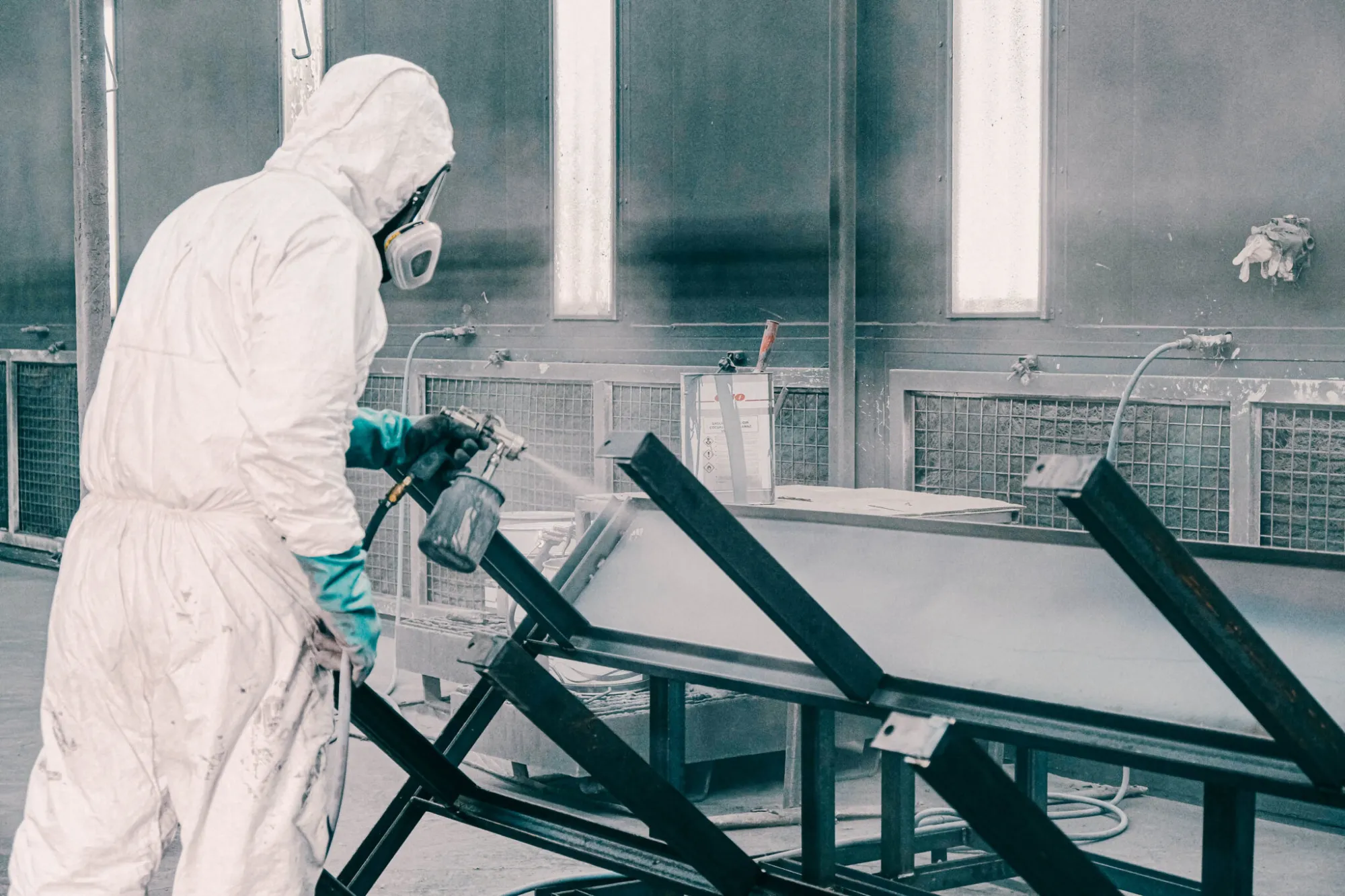

Indoor environments are expected to feel safe, clean, and comfortable. Whether it is an office building, healthcare facility, hotel, factory, or commercial property, people rarely think about what may be developing behind walls, above ceilings, or inside ventilation systems. Unfortunately, mold contamination often begins exactly in those hidden areas.
In Malaysia, mold growth has become a growing concern for many buildings because of the country’s humid tropical climate. Constant moisture, condensation, water leaks, and poor ventilation create conditions where mold can develop quickly without being noticed during the early stages.
Many organisations only realise there is a problem after employees begin complaining about musty odours, respiratory discomfort, headaches, or recurring indoor air quality concerns. By the time visible mold appears, contamination may already have spread across multiple sections of the building.
This is why professional mold remediation services in Malaysia are becoming increasingly important for facilities that want to maintain healthier indoor environments and prevent long-term contamination problems.
Mold Problems Often Start Quietly
One of the biggest challenges with mold contamination is that it usually develops slowly and out of sight.
Small moisture issues inside ceilings, wall cavities, HVAC systems, or damp surfaces may initially seem harmless. However, when moisture remains unresolved for extended periods, microbial growth can begin spreading across hidden building materials.
Over time, mold spores may circulate through indoor spaces and ventilation systems without occupants immediately noticing the source.
Some of the most common warning signs include:
- Persistent musty smells
- Recurring moisture stains
- Excess humidity indoors
- Increased dust accumulation
- Respiratory irritation
- Condensation around vents or ceilings
- Complaints about heavy or uncomfortable indoor air
Because these symptoms often develop gradually, many facilities continue operating without realising indoor contamination is worsening.
Why Malaysia Faces Higher Mold Risks
Malaysia’s climate naturally increases the risk of mold development inside buildings.
High humidity levels throughout the year create an environment where moisture can accumulate easily, especially in enclosed or poorly ventilated areas. Buildings that operate air conditioning systems continuously may also experience condensation issues around ducts, ceilings, and cooling components.
Commercial facilities commonly experience mold risks due to:
- Poor airflow circulation
- Water intrusion
- Roof or piping leaks
- Condensation inside HVAC systems
- Damp building materials
- Inadequate ventilation
- Long-term humidity exposure
Without proper inspection and remediation, mold contamination can continue spreading unnoticed behind surfaces and inside ventilation systems.
This is why many organisations now include indoor air quality monitoring and preventive environmental assessments as part of routine facility management.
Mold Contamination Affects More Than Just Appearance
Many people assume mold is mainly a cosmetic issue because it often appears as dark stains on walls or ceilings.
In reality, mold contamination may affect both indoor air quality and overall building conditions.
As mold grows, microscopic spores can become airborne and circulate through occupied areas. In buildings with contaminated HVAC systems, spores may spread even further through the ventilation network.
Poor indoor environmental conditions associated with mold may contribute to:
- Unpleasant indoor odours
- Reduced occupant comfort
- Indoor air quality complaints
- Surface deterioration
- Moisture-related material damage
- Increased maintenance concerns
For offices and commercial environments, ongoing indoor environmental issues may also affect employee comfort and workplace satisfaction over time.
The Importance of Early Mold Remediation
One of the biggest mistakes facilities make is waiting until mold becomes clearly visible before taking action.
Visible contamination is often only a small indication of a much larger hidden problem. Mold growth behind walls, inside ceilings, beneath flooring, or within HVAC systems may continue spreading long before surface damage becomes obvious.
Early remediation helps facilities:
- Control contamination before it spreads further
- Reduce long-term restoration costs
- Protect indoor environmental quality
- Minimise operational disruptions
- Identify moisture sources early
- Prevent recurring contamination issues
Addressing mold problems during the early stages is generally more manageable than handling widespread contamination later.
Understanding Professional Mold Remediation
Professional mold remediation involves more than simply cleaning visible surfaces.
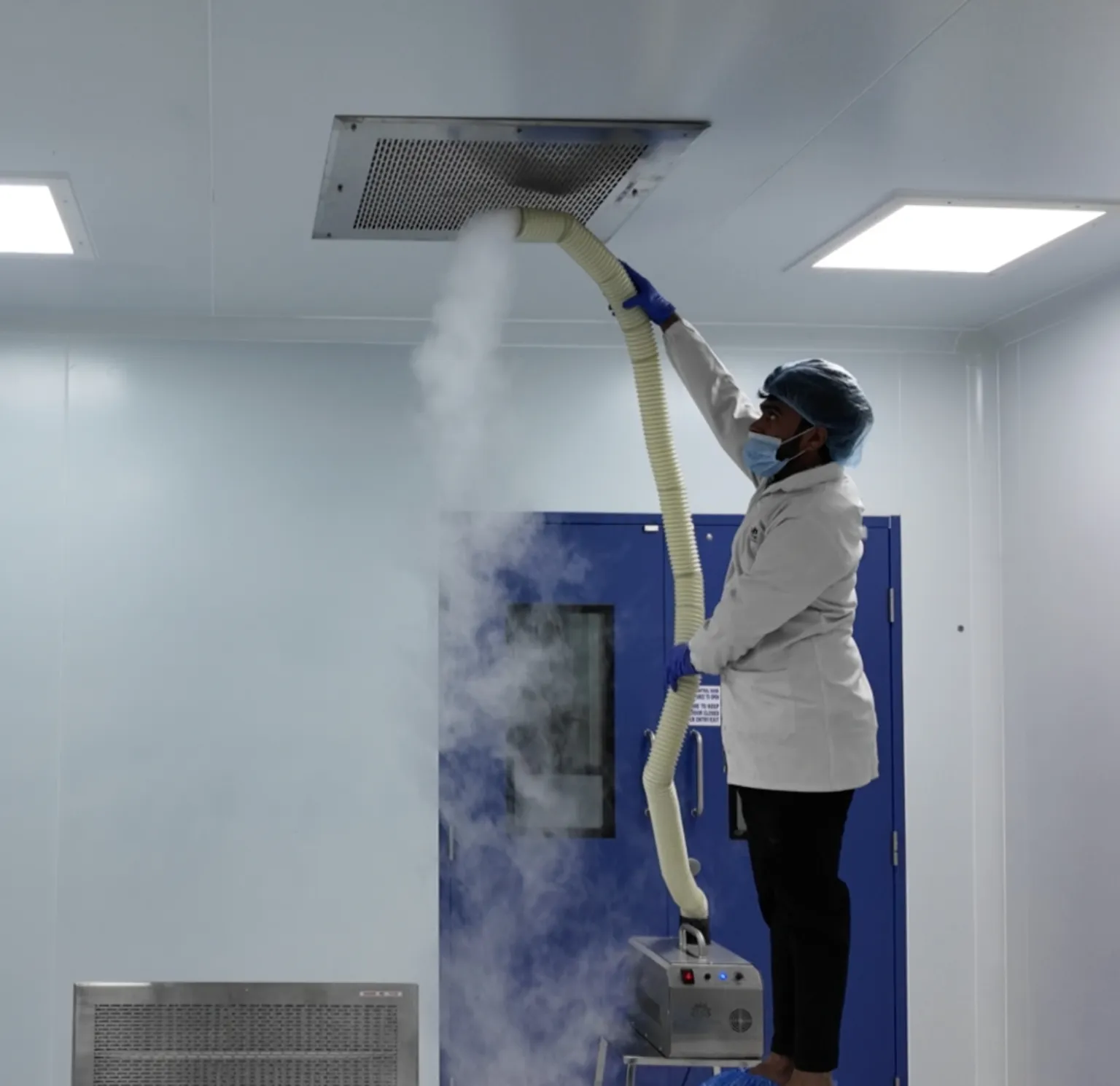
A structured remediation process focuses on identifying the source of contamination, controlling affected areas, removing contaminated materials when necessary, and improving environmental conditions to reduce future growth risks.
Depending on the condition of the facility, remediation programmes may include:
- Moisture investigation
- Indoor air quality assessment
- Surface contamination evaluation
- Containment setup
- HEPA filtration support
- Removal of contaminated materials
- Surface cleaning and disinfection
- HVAC inspection and cleaning
- Environmental monitoring
The objective is not only to remove visible mold but also to address the environmental conditions contributing to contamination.
HVAC Systems and Hidden Mold Contamination
One area that is frequently overlooked during mold investigations is the HVAC system.
Ventilation systems can trap dust, moisture, and microbial contamination inside ductwork and cooling components over time. Once mold develops inside these systems, spores may continue circulating throughout the building during daily HVAC operation.
This is why professional mold remediation services are often combined with:
- HVAC cleaning services
- Air duct inspection
- Coil cleaning
- Ventilation cleaning
- Indoor air quality testing
Without addressing contaminated HVAC components, mold-related indoor air quality problems may continue even after visible remediation work is completed.
Why Commercial Buildings Need Preventive Strategies
Modern commercial buildings rely heavily on sealed indoor environments and mechanical ventilation systems. While this improves cooling efficiency, it may also increase moisture retention if ventilation systems are not properly maintained.
Facilities such as:
- Corporate offices
- Hospitals
- Hotels
- Laboratories
- Retail centres
- Manufacturing plants
- Educational institutions
often require structured indoor environmental management programmes to minimise contamination risks.
Instead of waiting for complaints or visible damage, many organisations are shifting toward preventive strategies that include:
- Periodic environmental inspections
- Humidity monitoring
- HVAC maintenance
- Indoor air quality testing
- Early mold assessment
Preventive facility management helps reduce the likelihood of larger remediation projects later.
Indoor Air Quality and Occupant Comfort
Indoor air quality has become a major focus for building owners and facility managers in recent years.
People now spend long hours inside enclosed indoor environments where ventilation quality directly affects overall comfort and workplace conditions.
When mold contamination develops indoors, occupants may begin noticing:
- Heavy indoor air
- Persistent odours
- Poor ventilation conditions
- Increased dust presence
- General discomfort in enclosed areas
Maintaining stable indoor environmental conditions is important not only for facility performance but also for creating healthier and more comfortable spaces for occupants.
This is one reason why indoor air quality services and mold remediation support are becoming more closely connected in modern building management.
Better Reporting and Environmental Assessment
Professional remediation providers now use more structured assessment and reporting methods compared to traditional cleaning approaches.
Modern environmental remediation projects may involve:
- Moisture mapping
- Surface sampling
- Indoor air monitoring
- HVAC inspection documentation
- Before-and-after condition reporting
This documentation helps building owners better understand contamination levels and supports future maintenance planning.
Detailed reporting also improves transparency between service providers, facility managers, and building owners during remediation projects.
Long-Term Benefits of Early Remediation
Early action provides long-term operational advantages for facilities managing mold risks.
Facilities that respond quickly to moisture and contamination issues often experience:
- Lower restoration costs
- Better indoor environmental conditions
- Reduced recurring contamination
- Improved HVAC cleanliness
- Fewer operational disruptions
- Better long-term maintenance planning
Preventive environmental management is generally far more effective than waiting until contamination becomes widespread.
As awareness of indoor air quality continues increasing across Malaysia, more organisations are recognising the importance of addressing hidden environmental risks before they escalate.
The Shift Toward Healthier Indoor Environments
Building management today is no longer focused only on appearance or temperature control.
Organisations are now paying greater attention to how indoor environments affect occupants, operational efficiency, and long-term facility performance.
Mold remediation is becoming part of a broader indoor environmental quality strategy that includes:
- Ventilation management
- HVAC hygiene
- Air quality monitoring
- Preventive maintenance
- Environmental testing
This shift reflects growing awareness that indoor environmental conditions directly influence the overall quality and usability of commercial spaces.
Conclusion
Mold contamination is often more serious than it initially appears. What begins as a minor moisture issue can gradually spread into hidden sections of a building and affect indoor environmental quality over time.
In Malaysia’s humid climate, early identification and remediation are especially important for maintaining healthier indoor environments and reducing long-term contamination risks.
Professional mold remediation services in Malaysia help organisations identify contamination sources, improve indoor conditions, and prevent recurring environmental problems through structured remediation and preventive maintenance approaches.
When combined with proper HVAC maintenance, indoor air quality management, and moisture control strategies, early remediation supports safer, cleaner, and more sustainable building environments for occupants and facilities alike.

























Sign in to leave a comment.