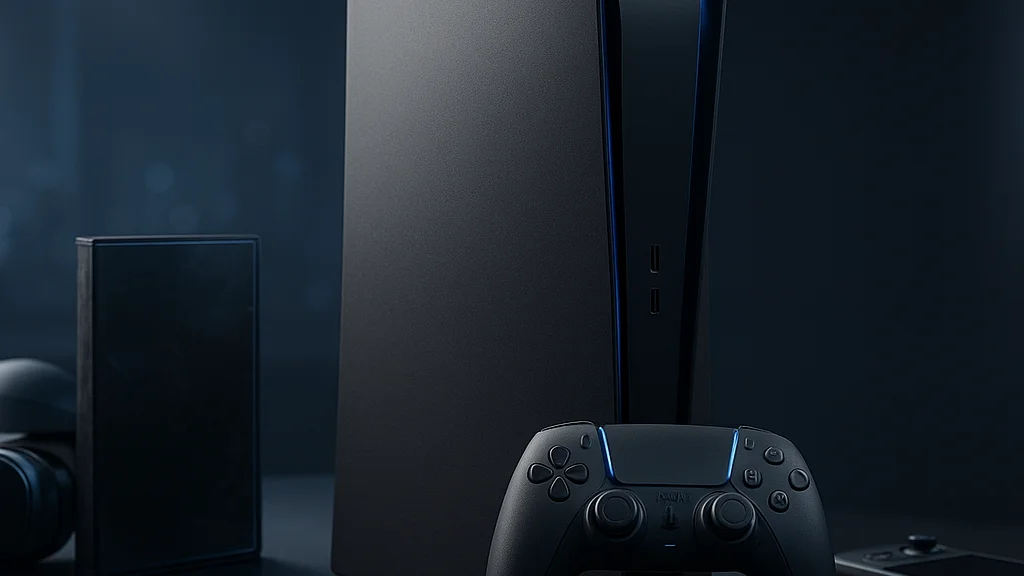

By early July, the release calendar already tells a familiar story: players have spent months building wish lists, publishers have spent years managing expectations, and every showcase has turned into a referendum on whether this year can actually deliver. That tension is what makes the most anticipated video games releasing this year such a useful subject to track. Hype is easy. Shipping a game on time, at a high level of quality, across multiple platforms, is the hard part.
What matters in 2026 is not just which titles look exciting in trailers. The real question is which releases have the strongest combination of confirmed launch plans, proven studios, platform momentum, and enough public information to justify the anticipation. Some games are drawing attention because they extend major franchises. Others matter because they test whether the industry can still produce large-scale original hits in an era of rising budgets and longer development cycles.
If you have been following release chatter through the year, there is already a useful baseline in WriteUpCafe's April 2026: The Most Anticipated Video Games Releasing This Year and the broader market framing in 2026 Trends in Most Anticipated Video Games Releasing This Year. This piece takes the next step. I am focusing on why certain games have become the center of attention, what the market signals actually say, and how players should judge the rest of the release slate from here.
Anticipation is not a measure of certainty. It is a measure of how much trust players are willing to place in a studio before launch.
That distinction matters more now than it did a decade ago. Delays are common, technical performance can shape a launch week more than review scores, and subscription services have changed how some players decide what is worth buying on day one. A smart look at this year’s most anticipated games has to account for all of that.
Why 2026 feels unusually important for major game releases
The industry entered 2026 under pressure. The past several years brought layoffs across large publishers, studio restructurings, project cancellations, and a sharper debate about whether blockbuster development has become too expensive to sustain. According to reporting from Reuters over the last two years, game companies across North America and Europe have repeatedly cut jobs even while protecting their biggest franchises. That contradiction has shaped this year’s schedule: fewer publishers are willing to flood the market, but the titles that do make it out carry more weight.
There is also a timing issue. Many games announced in the early part of the current console cycle were delayed by pandemic-era disruption, toolchain changes, and staffing turnover. As a result, 2026 has become a catch-up year for projects that needed more time. That does not automatically make the lineup stronger, but it does mean several long-gestating titles are finally close enough to release that players can judge them on gameplay, previews, and platform plans instead of logo reveals.
Hardware has changed the equation too. Sony and Microsoft are now deep enough into the current generation that cross-generation compromises are less central than they were a few years ago. PC remains essential, and handheld PC play has become a bigger factor in consumer expectations. A highly anticipated game now gets judged not only on visual ambition but on performance targets, controller support, mod potential, and how well it can live across ecosystems.
That is why this year’s release slate feels heavier than a routine annual roundup. It is a stress test for the modern premium game business.
- Budgets are larger, which raises the commercial bar for every major launch.
- Development cycles are longer, which gives fans more time to build expectations.
- Platform competition is sharper, especially where exclusives and timed deals are involved.
- Community scrutiny is constant, with every trailer and delay parsed in real time.
For readers who want a broader thematic setup, WriteUpCafe's Why Most Anticipated Video Games Are Releasing This Year captures the demand side well. The supply side is what makes 2026 so consequential.
The games drawing the most attention and why they stand out
Not every anticipated title belongs in the same bucket. Some games are expected because they sit inside giant entertainment brands. Others have earned attention through prior critical acclaim, technical ambition, or the promise of a genre shift. Looking across publisher showcases, earnings commentary, and trade press coverage from outlets such as IGN, GameSpot, Eurogamer, and Bloomberg, a few broad categories explain most of the excitement.
First are the franchise anchors: the big-budget sequels and reboots that can move hardware, dominate social media, and shape a quarter’s revenue for a publisher. These are the games investors track and retailers plan around. If one slips, the impact can ripple across marketing calendars and platform subscriptions.
Second are prestige projects from studios with strong reputations. A game from a developer known for role-playing depth, polished action systems, or open-world design can generate anticipation even without the broadest mainstream recognition. Players often trust track record more than marketing copy.
Third are the wildcard originals. These are harder to predict, but every year needs at least one. A fresh concept with a strong visual identity or a novel multiplayer hook can cut through if previews suggest it solves a real player need rather than just chasing trends.
- Franchise sequels attract the largest built-in audience and the highest pressure.
- Prestige studio releases often dominate critic conversation and awards forecasts.
- Original IP can become the year’s breakout if timing and execution align.
- Live-service expansions or relaunches matter because they can quietly absorb huge amounts of player time.
What separates the truly most anticipated games from the merely visible ones is the density of evidence behind them. Have players seen real gameplay? Has the studio discussed systems, platforms, and release timing in concrete terms? Are preview impressions consistent? Is there confidence that performance will hold up at launch? Those questions narrow the field fast.
The strongest anticipation is built on three things: a credible studio, a clear release window, and gameplay that answers more questions than it creates.
That standard helps explain why some heavily marketed titles still feel uncertain. A cinematic trailer can start a conversation, but by July, players want mechanics, not mood boards.
How players should evaluate the release slate instead of following hype alone
I have a simple rule for judging anticipated games: use a numbered checklist and force every title through it. This sounds basic, but it keeps you from confusing familiarity with quality. The most effective way to read the rest of the year is to focus on evidence that tends to survive launch week.
Step 1 is to examine the developer’s recent output. Did the studio ship its last game in stable condition? Did it support that game well after release? A publisher can market around a weak history for only so long. Players remember technical issues, monetization mistakes, and abandoned roadmaps.
Step 2 is to separate announcement age from actual readiness. A game revealed five years ago is not automatically more likely to be great than one announced twelve months ago. Long development can mean ambition, but it can also mean restarts, leadership changes, or scope trouble. Reporting from Bloomberg and coverage in trade publications have repeatedly shown how common those complications are.
Step 3 is to look at platform strategy. If a title is launching across console and PC on the same day, that usually signals a wider commercial push and potentially stronger technical resourcing. If it is tied to one ecosystem, the questions shift toward optimization, exclusivity value, and whether the install base is large enough to support the sales target.
Step 4 is to watch how publishers talk after showcases. Earnings calls and investor presentations often reveal more than trailers do. If executives emphasize a title repeatedly, that can suggest confidence. If they start using vague language around timing, caution is sensible.
Step 5 is to pay attention to preview consistency. One glowing hands-on means less than a broad pattern. When multiple outlets independently praise the same systems, pacing, or world design, the signal gets stronger.
- Check the studio’s last release and post-launch support.
- Compare reveal age with actual gameplay shown.
- Review platform plans and technical targets.
- Listen for changes in publisher guidance.
- Track whether previews agree on strengths and weaknesses.
This method is less glamorous than ranking trailers, but it is far more useful. It also explains why some quieter games can become smarter bets than louder ones. Anticipation should be earned in layers.
The biggest 2026 shifts changing which games look worth waiting for
Several developments in 2026 have changed the release conversation since the start of the year. The first is schedule volatility. By midyear, players have a better sense of which titles are still on track and which ones are drifting into the familiar gray zone of “later this year” language. That matters because a release calendar is a competitive map. When one major game moves, another can suddenly gain a clearer runway.
The second shift is the increased importance of hands-on events and creator previews. Publishers still rely on showcase moments, but community trust now depends more heavily on extended gameplay demonstrations, technical breakdowns, and practical impressions from people who have actually played a build. A polished trailer no longer closes the sale by itself.
Third, there is more scrutiny around pricing and value. Premium games have been trending toward higher launch prices, while subscription libraries and back-catalog sales remain strong alternatives. That means the most anticipated releases have to justify not only their existence but their day-one cost. If a game appears content-thin or technically unstable, players are quicker to wait.
Fourth, live-service fatigue has become a real filter. Multiplayer and ongoing-content games can still thrive, but players are more selective about where they invest time. A new online title now competes not just with this year’s peers but with entrenched games that already dominate social circles and spare hours. Anticipation in that segment depends on a very clear answer to a practical question: why switch?
Statista has shown for years that gaming audiences are broad and platform habits are fragmented. That fragmentation is shaping 2026. A title can be highly anticipated within one audience and almost invisible in another. PC strategy players, console action fans, and co-op groups are no longer waiting for the same things.
- Release timing now matters almost as much as game quality.
- Hands-on proof has overtaken cinematic marketing in credibility.
- Price sensitivity is higher for premium launches.
- Online games face tougher competition for player attention than ever.
That is why some of the most interesting titles this year are not necessarily the loudest. They are the ones aligning strong development signals with a smart launch window.
Which genres are carrying the strongest momentum this year
If you strip away brand names and look at genre momentum, three categories stand out in 2026: action role-playing games, large-scale action-adventure titles, and curated multiplayer experiences that avoid trying to be everything at once. Each of these genres fits current player behavior for different reasons.
Action RPGs remain powerful because they offer a blend of progression, exploration, and build experimentation that works well across console and PC. They also generate durable conversation. Players share character setups, hidden quests, and late-game discoveries for months. When an anticipated action RPG comes from a respected studio, the market often gives it more patience before launch than it would a conventional shooter or annualized sports title.
Action-adventure games are still the prestige lane for many publishers. They are trailer-friendly, accessible to broad audiences, and well suited to premium pricing. The challenge is execution. Players now expect cinematic presentation and mechanical depth together. A game that leans too heavily on spectacle without meaningful systems can lose momentum fast once reviews land.
Meanwhile, multiplayer design has become more disciplined. The strongest-looking online releases are not promising endless universes. They are pitching a focused loop, a clear social structure, and a manageable post-launch plan. That restraint is healthy. It reflects lessons learned from years of overextended roadmaps and expensive live-service ambitions that failed to hold attention.
There is also a continued role for remakes, remasters, and revival projects. In weaker years, those can feel like filler. In a year like this, they function more like portfolio stabilizers. They give publishers recognizable releases while riskier projects find their footing. Players may complain about nostalgia-driven scheduling, but sales data has repeatedly shown there is strong demand when the treatment is careful and the original game still matters.
Genre momentum is not random. It follows where players believe they will get the best mix of value, replayability, and technical reliability.
That is one reason anticipation is clustering around genres with proven staying power rather than novelty for novelty’s sake.
The business impact: why these releases matter beyond players
Every major anticipated game is also a business event. For publishers, a successful launch can stabilize earnings, improve investor confidence, and buy time for slower-moving projects. For platform holders, the right exclusive or day-one partnership can strengthen subscriptions, hardware engagement, and ecosystem loyalty. For studios, one hit can secure hiring plans and future creative leverage.
The reverse is just as true. A weak launch from a heavily marketed game can trigger write-downs, emergency patch cycles, and strategic resets. We have seen enough examples over the last several years to know that one underperformer can shape a company’s tone for multiple quarters. According to reporting from Reuters and financial coverage in the games press, executives increasingly frame tentpole releases as fewer but bigger bets. That concentration raises the stakes around every title on the “most anticipated” list.
There is a labor angle too. The modern blockbuster model depends on large teams, outsourcing networks, and long support tails. When a game succeeds, the benefits are real but uneven. When it fails, the consequences often hit workers before leadership. That reality is part of the background whenever players ask why publishers are so cautious about dates and so aggressive about pre-launch messaging.
For esports and creator ecosystems, anticipated releases can open entirely new lanes or simply reshuffle attention. A breakout competitive title can attract streamers, tournament organizers, sponsors, and peripheral makers in a matter of months. But that only happens if the game launches with stable netcode, spectator-friendly design, and a reason for communities to commit early.
Readers looking for a more consumer-facing angle can compare this analysis with WriteUpCafe's Most Anticipated Video Games Releasing This Year: What’s Worth Waiting For and the companion piece Most Anticipated Video Games Releasing This Year. My view is a little stricter: the real significance of these games lies in how much institutional pressure sits behind them.
What to watch for in the second half of the year
The rest of 2026 will separate durable anticipation from temporary noise. Players should watch five things closely. First, date confidence. If a publisher keeps repeating a specific launch date through late summer and early fall, that is a stronger signal than broad seasonal wording. Second, technical transparency. Performance modes, PC specifications, accessibility features, and online infrastructure details often reveal how prepared a launch really is.
Third, embargo timing matters. When previews and reviews are available with reasonable lead time, that usually indicates a degree of confidence. Last-minute review access does not guarantee trouble, but it should make buyers more cautious. Fourth, post-launch plans deserve attention before release, not after. DLC roadmaps, live-service seasons, and patch commitments can help players judge whether a game is offering a complete package or an early foundation.
Fifth, watch community reaction to unedited footage. Not influencer enthusiasm in the abstract. Actual reaction to menus, combat flow, traversal, mission structure, and performance captures. Those details tell you whether excitement is maturing into trust.
- Look for repeated, specific launch-date messaging.
- Prioritize games that show real technical detail.
- Treat review and preview timing as a useful signal.
- Read post-launch plans before spending day-one money.
- Trust unedited gameplay more than cinematic marketing.
My practical advice is simple. Keep a short list, not a huge one. Follow maybe five to seven games closely. Put the rest in a wait-and-see bucket. That approach saves money, reduces disappointment, and makes it easier to spot which releases are genuinely earning their place among the most anticipated video games releasing this year.
The broader outlook is cautiously strong. Not every prominent title will land. Some will slip. A few will underperform. That is normal. But the year still has the ingredients for a meaningful run of releases: maturing hardware, pent-up demand, and a market that is forcing publishers to prove more before asking for full-price commitment. For players, that is not a bad place to be. Anticipation is healthiest when it has to compete with scrutiny.
And that, more than any one trailer or showcase, is the real story of 2026. The games worth waiting for are the ones surviving a tougher standard.





















Sign in to leave a comment.