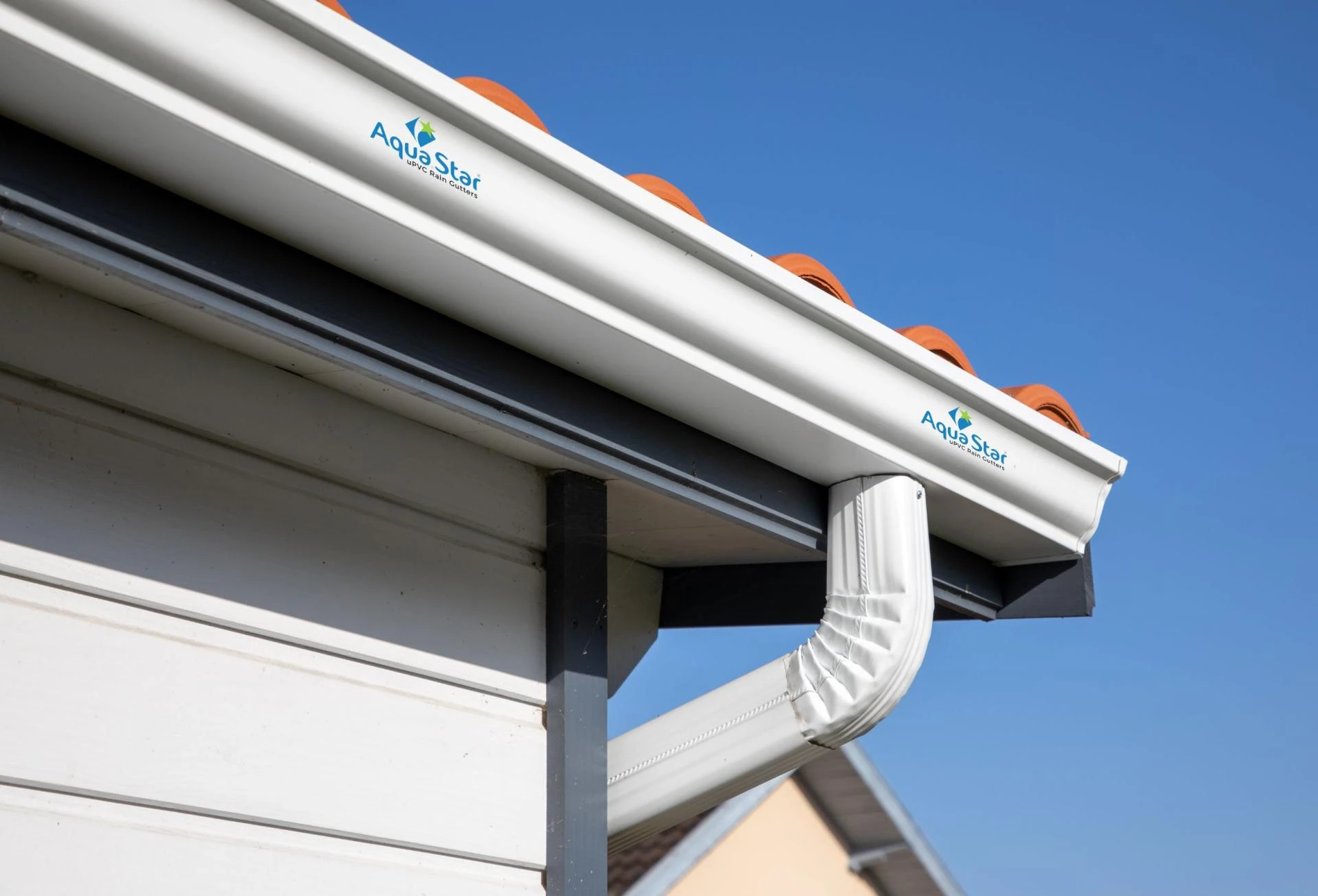

A well-functioning gutter system is one of the most important yet often overlooked components of a home. It protects your roof, walls, foundation, and landscape by directing rainwater safely away from the building. Without a properly functioning gutter system, even a well-built house can suffer from water damage, mold growth, soil erosion, and structural issues.
Many homeowners only notice gutter problems when visible damage appears—peeling paint, damp walls, overflowing water, or foundation cracks. By this time, repairs may already be expensive and complicated. Recognizing common issues early and addressing them promptly can save both money and time.
Understanding the most frequent problems homeowners face with gutters is key. The condition of your Rainwater gutter pipe often determines whether a simple fix will suffice or if a more extensive replacement is necessary. Knowing the signs, causes, and solutions helps protect your home effectively.
This guide details the most common gutter problems and provides practical steps to fix or prevent them. It is designed for homeowners who want to maintain their gutters in peak condition, ensuring that rainwater is managed efficiently and their home stays safe from water damage.
Why Gutter Problems Shouldn’t Be Ignored
Even minor gutter issues can escalate quickly. A small leak, a loose bracket, or a partial clog may not seem urgent, but over time, these problems can cause serious structural damage. Water can seep into walls, foundations can weaken, and landscaping may erode.
The consequences of ignoring gutter problems include:
- Water damage to walls, ceilings, and interiors
- Foundation cracks and weakening
- Basement flooding
- Mold and mildew growth
- Soil erosion and landscaping damage
- Termite or pest infestations due to dampness
- Staining and damage to exterior finishes
Timely identification and repair prevent these problems from escalating, saving homeowners significant future expenses.
Problem 1: Clogging or Blockages
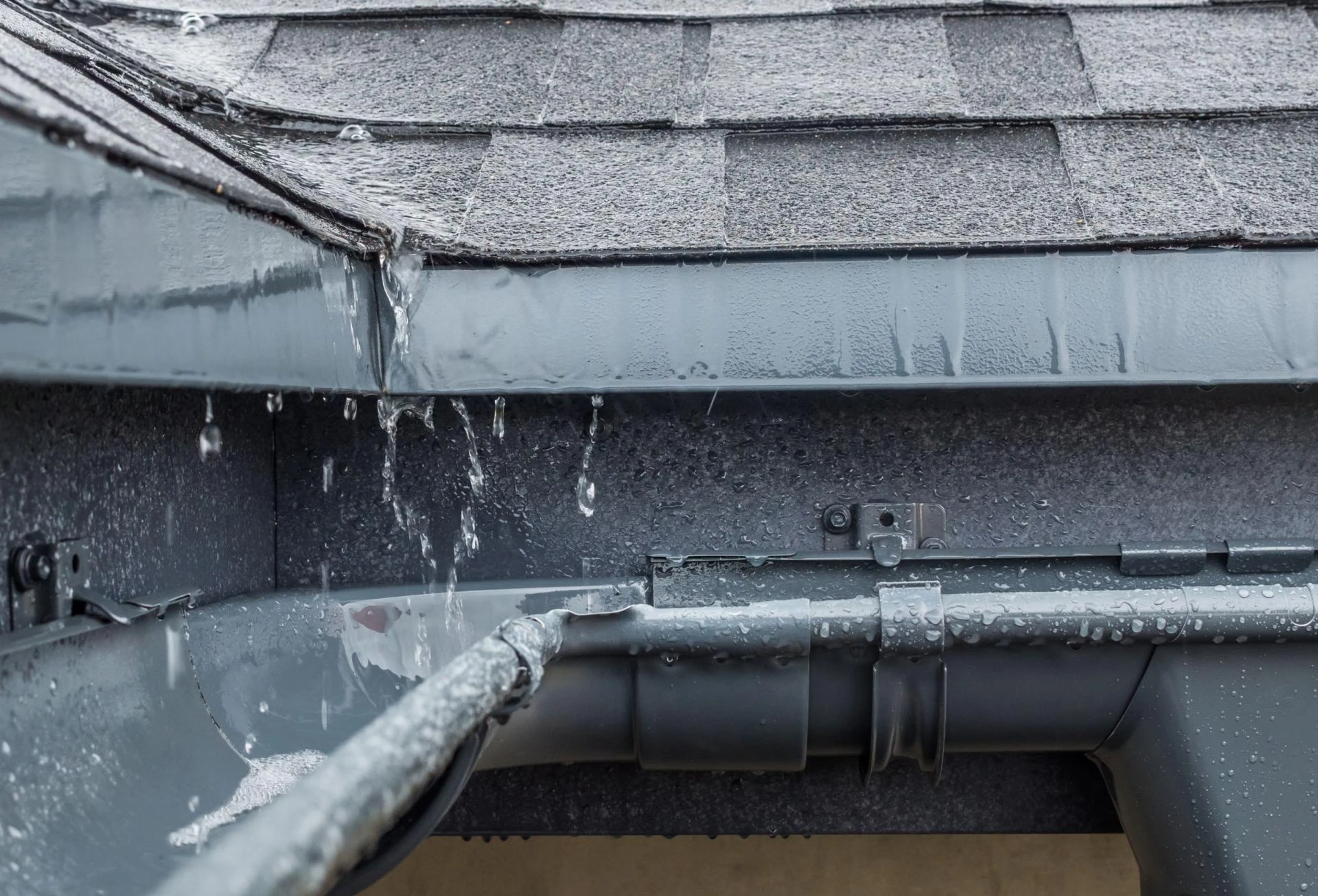
Cause: Leaves, twigs, dust, roofing granules, and bird nests often accumulate inside gutters. Blockages restrict water flow, causing overflow at the roof edge. This is particularly common in homes surrounded by trees or in regions with heavy rainfall.
Signs:
- Water spilling over the gutter edges during rain
- Slow drainage
- Standing water inside the gutter between storms
Fix:
- Clean gutters at least twice a year, especially before and after monsoon or storm seasons
- Install gutter guards or leaf filters to reduce debris accumulation
- Ensure downpipes are not blocked by sediment or leaves
Preventing blockages ensures smooth water flow and prolongs gutter lifespan.
Problem 2: Sagging Gutters
Cause: Sagging occurs when gutters are overloaded with water or debris, or when brackets and fasteners fail. Wooden fascia boards may also rot over time, contributing to sagging.
Signs:
- Visible downward curves or dips along gutter lines
- Overflowing water at sagging points
- Loose or detached sections
Fix:
- Remove accumulated debris and water to reduce weight
- Replace broken or missing brackets
- Reinforce fascia boards if damaged
- Check slope to ensure proper drainage
Properly mounted gutters with regular maintenance rarely sag.
Problem 3: Leaks and Cracks
Cause: UV exposure, weather extremes, aging materials, or physical impact can create cracks or holes in gutter pipes. Joints may also loosen over time.
Signs:
- Dripping water at joints or seams
- Wet spots on walls beneath gutters
- Puddles forming below the roof edge
Fix:
- Apply gutter sealant to small cracks or leaks
- Replace severely damaged sections
- Ensure joints are correctly aligned and sealed
- Consider upgrading to more durable material if recurring leaks occur
Even minor leaks should be fixed promptly to avoid long-term damage.
Problem 4: Improper Slope
Cause: Gutters must be installed with a slight slope toward downpipes. Incorrect slope, sagging, or misalignment prevents water from flowing smoothly.
Signs:
- Stagnant water in sections of the gutter
- Overflowing at midpoints despite clear pipes
- Water backflow causing leaks at joints
Fix:
- Adjust brackets to create proper slope (typically 10-20 mm per 3 meters of gutter)
- Replace bent or damaged gutters that cannot hold correct slope
- Ensure downpipes are aligned to facilitate water flow
A correctly sloped gutter system prevents standing water and overflow.
Problem 5: Rust or Corrosion (Metal Gutters)
Cause: Metal gutters, particularly galvanized steel, are prone to rust when protective coatings wear off. Coastal areas or acidic rain accelerate corrosion.
Signs:
- Rust spots or holes in metal gutters
- Weak or flaking sections
- Water leakage through corroded areas
Fix:
- Remove rust with a wire brush and apply rust-resistant coating for minor issues
- Replace severely corroded sections
- Use aluminum, stainless steel, or uPVC for higher corrosion resistance
Regular inspection prevents small rust spots from developing into major leaks.
Problem 6: Loose or Missing Fasteners
Cause: Brackets, screws, and clips may loosen over time due to expansion, contraction, wind pressure, or aging hardware.
Signs:
- Gutters pulling away from fascia boards
- Rattling or movement during wind or rain
- Sagging sections
Fix:
- Tighten or replace loose screws and brackets
- Use corrosion-resistant fasteners
- Ensure secure attachment to the fascia or structural supports
A solid attachment ensures gutters function properly during heavy rainfall.
Problem 7: Water Pooling Near Foundation
Cause: When water is not discharged effectively, it collects near the foundation. This can occur due to blockages, poor slope, inadequate downpipe placement, or gutter overflow.
Signs:
- Standing water around the base of walls
- Damp basement or ground floor areas
- Soil erosion near the home
Fix:
- Extend downpipes to discharge water further away from the foundation
- Install splash blocks or drainage channels
- Regularly clean gutters to prevent overflow
Proper water redirection protects both the foundation and landscaping.
Problem 8: Tree Branch Damage
Cause: Overhanging branches can scratch, dent, or puncture gutter pipes during storms. Falling branches can also dislodge sections.
Signs:
- Dents, cracks, or punctures along gutter lines
- Misaligned or broken brackets
- Accumulated debris in concentrated areas
Fix:
- Trim overhanging branches regularly
- Inspect gutters after storms for damage
- Reinforce or replace damaged sections
Minimizing exposure to falling debris prolongs gutter life.
Preventive Measures to Avoid Future Problems
Prevention is always better than repair. Homeowners can adopt simple strategies to maintain gutter health:
- Clean gutters at least twice a year
- Install gutter guards or leaf filters
- Inspect brackets, fasteners, and joints regularly
- Check and adjust slope annually
- Trim nearby trees to reduce debris
- Use durable materials like uPVC or aluminum for longevity
- Flush downpipes to prevent sediment buildup
Routine maintenance extends lifespan, reduces repair costs, and ensures optimal gutter performance.
Repair vs Replacement
Not every gutter problem requires a full replacement. Minor leaks, small clogs, and a few loose brackets can usually be repaired. Replacement is recommended when:
- Multiple sections are damaged or corroded
- Gutters are old, brittle, or consistently failing
- Structural or slope issues cannot be corrected
- Maintenance costs are becoming excessive
A professional inspection can help determine the most cost-effective solution and prevent unnecessary expenses.
When to Call a Professional
While minor cleaning and inspection can be done by homeowners, professional help is recommended when:
- Damage is extensive or involves multiple sections
- Work is required at heights that are unsafe
- Joints, welding, or custom fittings are needed
- Downpipe or drainage re-routing is required
- Structural concerns such as fascia rot or foundation issues are present
Professionals ensure correct alignment, slope, sealing, and long-term reliability.
Final Thoughts
Gutter problems are common but manageable with awareness, timely inspection, and proper maintenance. From clogs and sagging to leaks, rust, improper slope, and foundation water pooling, early detection and repair can save homeowners significant expense and stress.
A well-maintained gutter system not only protects the home structure but also contributes to aesthetic appeal, functional roof drainage, and water management. Understanding the most common issues and applying preventive measures ensures peace of mind during every rainy season.
Whether you are repairing an old system or installing a new one, knowing how to identify problems and fix them correctly will help you maintain a durable and efficient gutter setup. A high-quality, well-maintained Rain water gutter is one of the best investments you can make for long-term home protection.


























Sign in to leave a comment.