
Why IPM changes the first hour
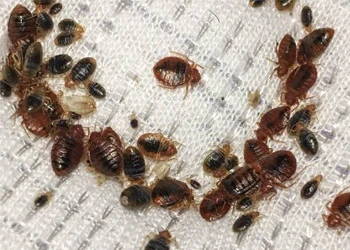
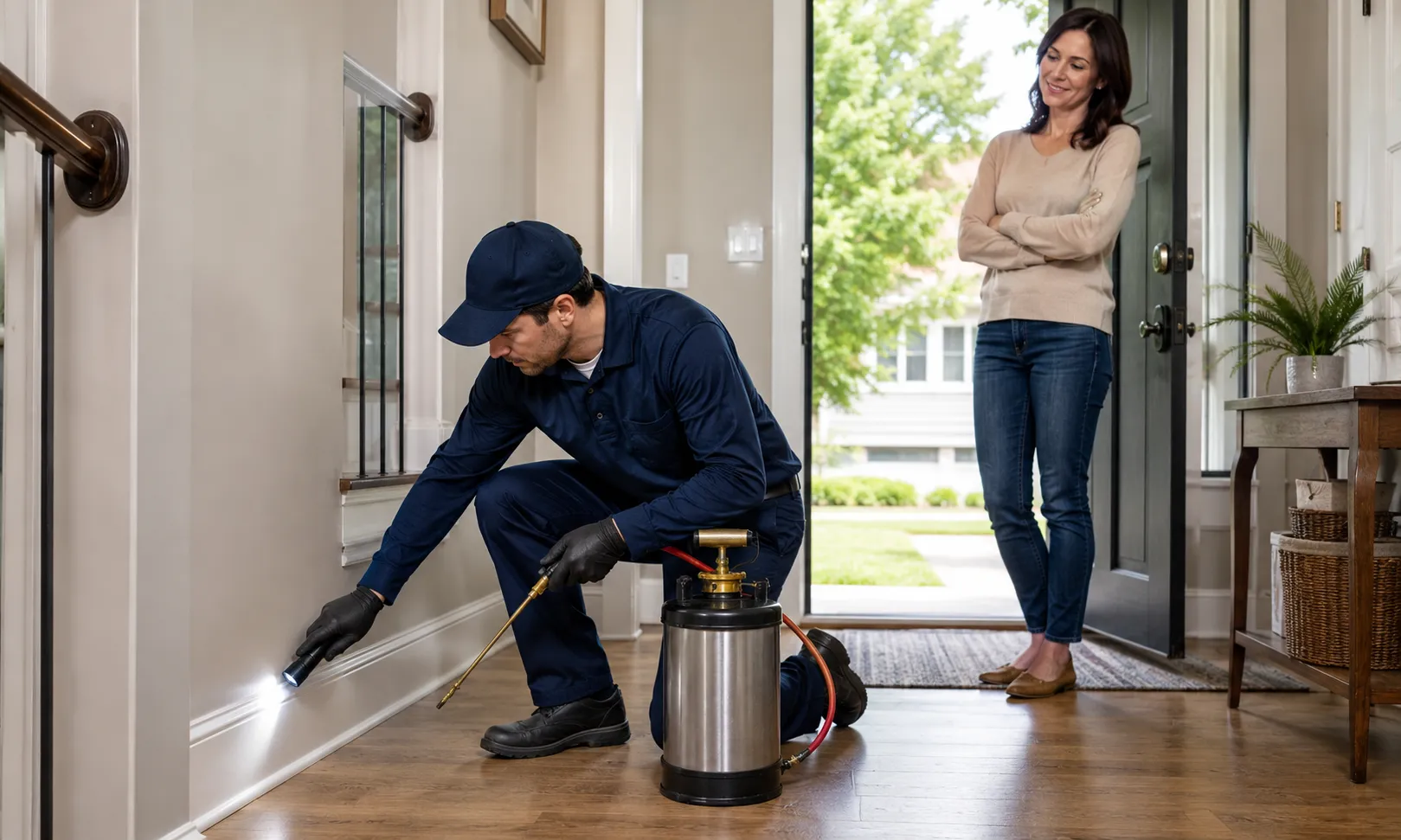
When bites spike overnight, IPM starts with verification. Inspect seams, headboards, outlets and baseboards using flashlights and cards to dislodge eggs. Interceptors go under bed legs to map movement. This reduces guesswork, focuses labor on active rooms and prevents wasted sprays that push bugs deeper into walls.
Start with containment to stop spread
Next comes containment. Bag linens, curtains and plush items; run dryers on high heat for 30 minutes. Pull beds from walls and declutter pathways so technicians can treat edges and voids efficiently. Doorway staging with sealed bags keeps hallways and neighboring rooms clean while treatment proceeds. Get fast emergency bed bug removal in Murfreesboro, call today.
Use heat and steam for fast knockdown
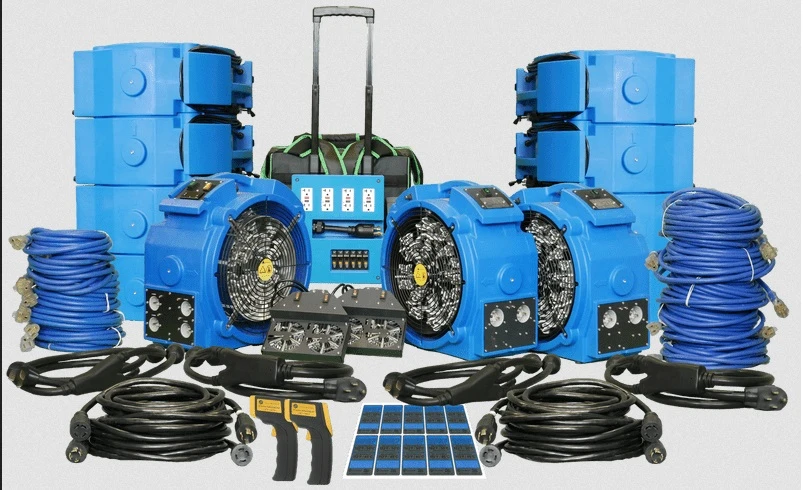
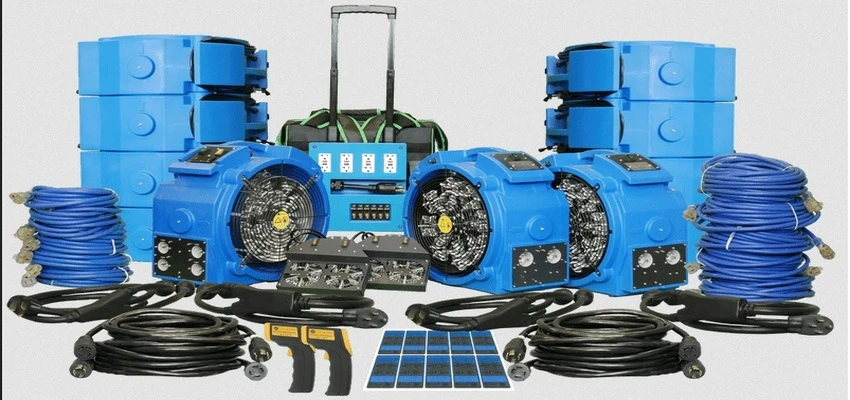
Often, emergency relief requires tools that do not wait on residues. Portable heaters raise room temperatures to lethal ranges, monitored by multiple probes to avoid cold spots. Dry steam, moved slowly along seams, kills eggs on contact. These steps give immediate bite relief while longer-lasting barriers are prepared.
Layer targeted chemistry without overuse
Then, residual protection matters. Non-repellent liquids along baseboards and bed frames, plus desiccant dusts inside wall voids and outlets, intercept bugs emerging after heat. Rotating active groups reduces resistance risk. Spot treatments replace broadcast spraying, keeping rooms safe for rapid re-entry once surfaces are dry.
Seal and exclude to remove harborages
Meanwhile, IPM closes the doors pests use. Caulk around trim and utility lines, add outlet gaskets and install bed bug-proof encasements on mattresses and box springs. Furniture glides under legs maintain a clean gap from walls. These physical changes cut hiding sites and make inspections faster.
Monitor, measure and adjust between visits
Crucially, emergency work continues after day one. Interceptors and lured monitors provide capture counts by location. Technicians compare maps at 7–10 day intervals, retouching dusts and liquids only where activity persists. Data replaces assumptions and families get simple reports that show progress toward zero captures.
Coordinate multi-unit responses when needed
In townhomes and apartments, rapid control depends on coordination. Stack-by-stack scheduling treats units that share risers and hallways in the same window. Shared prep lists, translated where helpful, keep clutter and laundry flow under control. This prevents reinfestation ping-pong that derails single-unit efforts.
Prepare residents for safer, faster recovery
Equally important, residents get plain steps they can do well. Launder and heat-dry frequently, vacuum seams with a crevice tool and empty bags outdoors. Keep beds isolated with interceptors and encasements. Avoid moving untreated items between rooms. Clear, short instructions reduce callbacks and support the treatment timeline.
Keep people and pets safe during service
In urgent calls, safety stays central. Low-odor, low-volatility applications suit nurseries or asthma concerns, with ventilation and clear re-entry times. Toys and electronics get heat or CO₂ instead of sprays. Floor plans mark no-treat zones near aquariums and food prep. These choices keep speed while meeting label directions.
Confirm elimination with evidence
Finally, closure is documented, not guessed. Two inspection cycles with zero captures, no bites and clean linens indicate success. A timeline of temperatures, product placements and monitor counts forms the record. If activity reappears, maps point to gaps—often an overlooked nightstand, baseboard crack, or shared wall.
Author Resource:-
David has over 10 years of experience in writing about different pest control and extermination services. Swift relief from bed bugs is closer than you think. Book a trusted exterminator in Byrdstown today - fast, effective pest control starts here.


























Sign in to leave a comment.