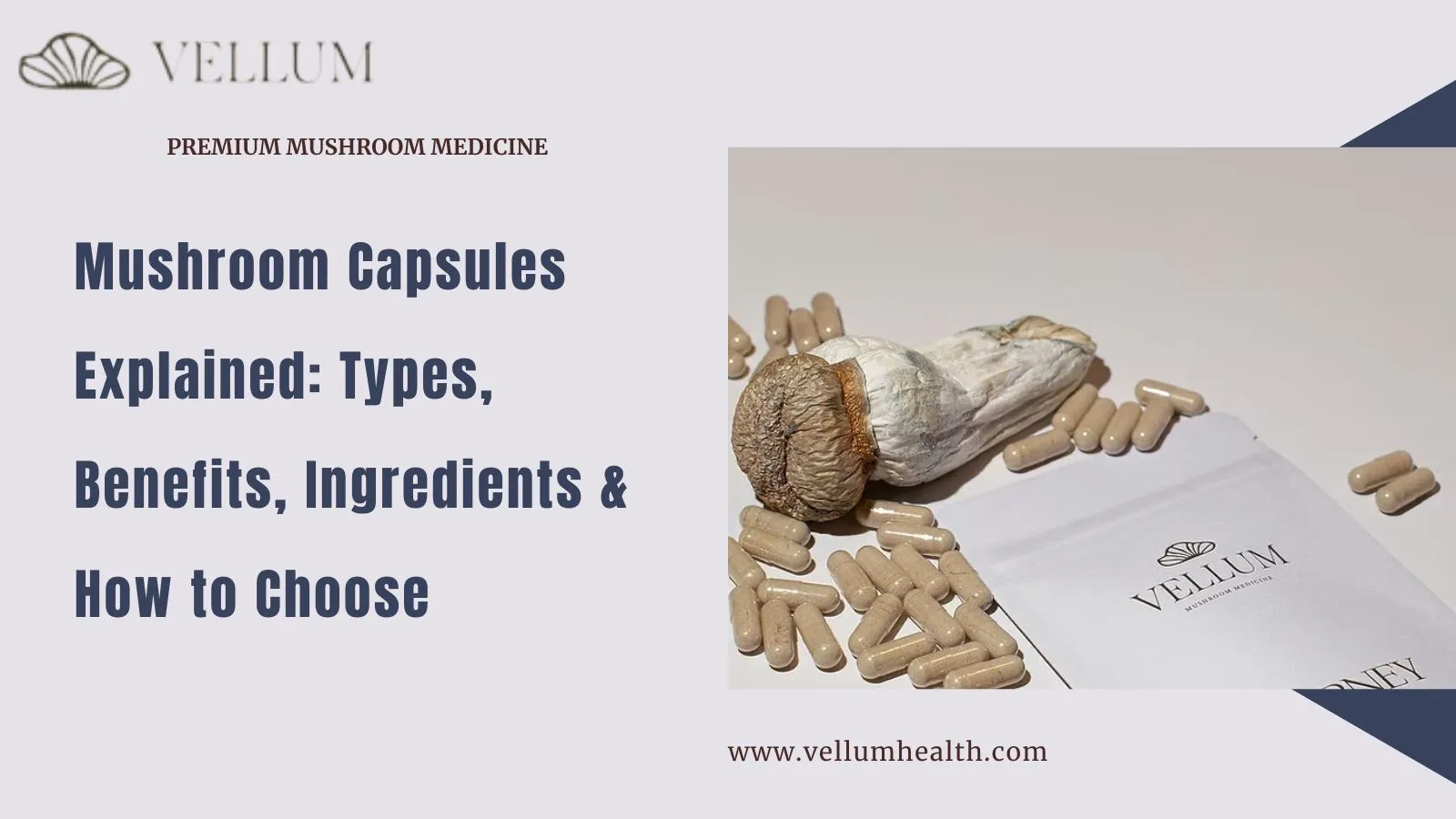
Mushrooms have moved far beyond the kitchen. Today, mushroom capsules are widely used as a convenient way to incorporate functional fungi into a daily wellness routine. From lion’s mane and reishi to cordyceps and turkey tail, different mushrooms contain different naturally occurring compounds and have traditionally been used for various wellness purposes.
But not every mushroom supplement is created the same way. The mushroom species, part of the mushroom used, extraction method, serving size, and additional ingredients can all affect what you are actually getting.
Understanding these differences can make it easier to choose a product based on quality and transparency rather than marketing claims.
What Are Mushroom Capsules?
Mushroom capsules are dietary supplements containing mushroom powder, mushroom extract, or a combination of both inside a capsule.
They can contain a single mushroom species or several medicinal mushrooms in a blend. Common varieties include:
- Lion’s mane
- Reishi
- Cordyceps
- Chaga
- Turkey tail
- Maitake
- Shiitake
The term “medicinal mushroom” is commonly used in wellness discussions, but it is important to distinguish traditional use from scientifically established health outcomes. Research into mushroom compounds is ongoing, and evidence varies considerably between species and specific health claims.
A recent review of mushroom dietary supplements notes that compounds such as polysaccharides, beta-glucans, and triterpenes are frequently associated with their potential biological effects. However, the evidence for functional mushroom supplements remains limited for many specific health applications.
Types of Mushroom Capsules
Choosing between mushroom capsules starts with understanding what is inside them.
1. Single-Mushroom Capsules
These contain one primary mushroom species, such as lion’s mane or reishi.
Single-mushroom formulas can be useful when someone wants to focus on a particular ingredient and understand how it fits into their routine. They can also make it easier to compare products because there are fewer variables.
2. Mushroom Blends
Blended formulas combine multiple mushroom species in one serving.
For example, a formula might include lion’s mane, reishi, cordyceps, and turkey tail. The idea is to combine different mushroom compounds, although consumers should avoid assuming that combining more ingredients automatically creates greater benefits.
Check the label to see whether each mushroom is individually listed with its amount. A proprietary blend that only provides a total weight can make it difficult to determine how much of each ingredient is included.
3. Mushroom Powder Capsules
Powdered capsules generally contain dried mushrooms that have been processed into powder.
This format may contain a broader range of naturally occurring mushroom components, but the nutritional and chemical profile depends on the mushroom species, growing conditions, processing, and whether the product uses the fruiting body, mycelium, or both.
4. Mushroom Extract Capsules
Extract-based supplements are produced by processing mushroom material to concentrate certain compounds.
Extraction methods can vary, so consumers should look for clear information about the source material and extraction process rather than assuming that “extract” automatically means higher quality.
Potential Benefits of Mushroom Capsules
Mushroom capsules are often selected as part of a broader wellness routine. However, it is best to think of potential benefits as areas of research rather than guaranteed outcomes.
Cognitive and Mental Wellness Support
Lion’s mane has attracted considerable interest because researchers are studying compounds associated with nervous-system function. However, more high-quality human research is needed before strong conclusions can be made about its effects on cognition or mental health.
Immune-Related Support
Several mushrooms contain beta-glucans and other polysaccharides that have been studied for their interaction with immune-related processes.
Turkey tail, reishi, and shiitake are among the mushrooms frequently researched in this area. Still, taking a mushroom supplement should not be considered a replacement for a balanced diet, adequate sleep, vaccination, or appropriate medical care.
Energy and Exercise-Related Interest
Cordyceps is often included in products marketed around energy and physical performance. Researchers have investigated its potential effects on exercise capacity and oxygen utilization, but outcomes can differ depending on the preparation and population studied.
Antioxidant and Cellular Research
Some mushroom species contain compounds with antioxidant activity in laboratory research. This has contributed to interest in mushrooms as part of a plant-focused wellness approach.
Importantly, laboratory findings do not automatically translate into measurable health benefits from a capsule. This is one reason consumers should be cautious about products making broad disease-treatment claims.
Ingredients to Look for in Mushroom Supplements
The mushroom itself is only one part of the equation. Before buying a mushroom supplement, examine the entire label.
Mushroom Species and Amount
The label should clearly identify the mushroom species and the quantity per serving.
Avoid relying exclusively on phrases such as “mushroom complex” without additional details. Transparency makes it easier to understand what you are consuming.
Fruiting Body vs. Mycelium
Mushrooms can be cultivated and processed in different ways. Some products use fruiting bodies, while others contain mycelium or a combination.
Neither term alone should determine your purchasing decision. Instead, consider the complete ingredient panel, sourcing information, testing practices, and evidence supporting the particular formulation.
Beta-Glucans and Other Compounds
Beta-glucans are naturally occurring polysaccharides found in many mushrooms and are commonly discussed when evaluating functional mushroom products.
If a manufacturer provides standardized testing or clearly states the amount of relevant compounds, that can offer more useful information than a vague “high potency” claim.
Additional Ingredients
Look beyond the headline ingredient. Check for:
- Fillers
- Flow agents
- Artificial colours
- Sweeteners
- Allergens
- Unnecessary proprietary blends
A shorter ingredient list is not automatically better, but every ingredient should have a clear purpose.
How to Choose Quality Mushroom Capsules
With so many products available, a few practical checks can help narrow the options.
1. Prioritize Transparency
Look for products that clearly disclose mushroom species, serving size, ingredient quantities, and sourcing information.
2. Check Testing Information
Third-party testing can provide additional confidence about identity, purity, and contaminants. If testing information is available, check what is actually being tested rather than relying on a generic “tested” statement.
3. Avoid Disease-Cure Claims
Be skeptical of products claiming to cure cancer, depression, diabetes, or other medical conditions. Dietary supplements should not be presented as substitutes for evidence-based medical treatment.
4. Consider Your Personal Needs
There is no universal “best” mushroom capsule. A single-mushroom product may make sense for someone who prefers a simple formula, while another person may prefer a multi-mushroom blend.
Your dietary pattern matters too. Someone already using plant-based vitamins and other supplements should consider the total ingredient intake rather than evaluating each product independently.
5. Ask About Safety
Natural does not necessarily mean risk-free. Functional mushroom supplements can cause digestive discomfort or allergic reactions in some people, and information about interactions between mushroom combinations and medications may be limited.
If you take prescription medication, have an existing medical condition, are pregnant or breastfeeding, or are considering supplements for a specific health concern, speak with a qualified healthcare professional before adding a new product.
Mushroom Capsules vs. Psilocybin Microdosing
These terms are sometimes discussed together online, but they describe very different things.
Most functional mushroom capsules contain non-psychoactive mushroom species or mushroom extracts intended for dietary supplementation. Psilocybin microdosing, on the other hand, refers to taking very small amounts of a psychedelic substance containing psilocybin.
The research surrounding psilocybin microdosing is still developing. A 2024 rapid review examined 19 placebo-controlled studies and concluded that the available evidence is not yet sufficient to determine whether reported microdosing effects are primarily attributable to placebo effects.
A separate double-blind, placebo-controlled study involving psilocybin mushrooms also illustrates why expectations, dose, study design, and individual responses matter when interpreting claims about microdosing.
Consumers should therefore avoid treating functional mushroom supplements and psychedelic products as interchangeable. Legal status, safety considerations, intended use, and scientific evidence can be very different.
Are Mushroom Capsules Right for You?
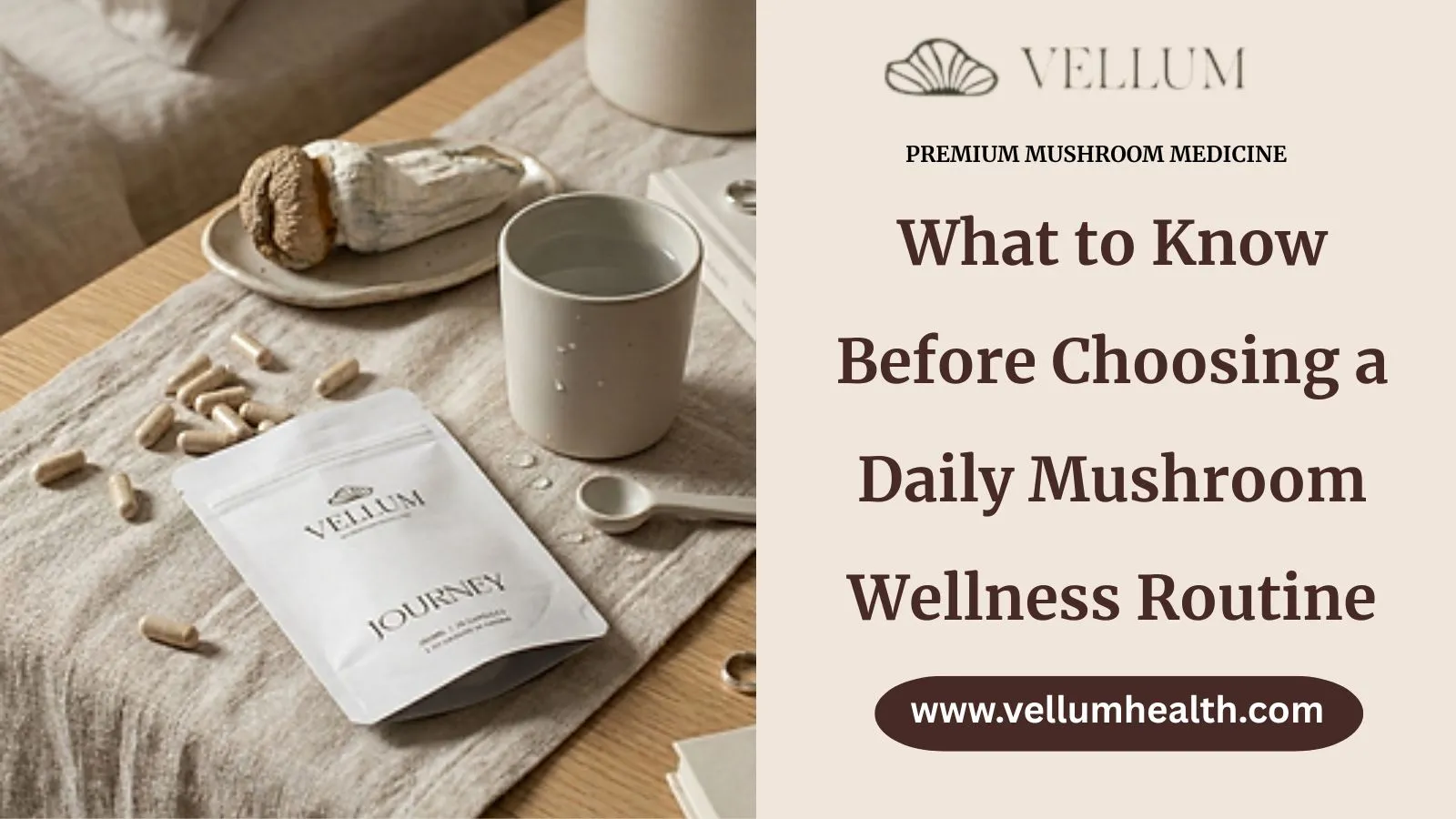
Mushroom capsules can be a convenient addition to a wellness routine, particularly for people who prefer measured servings over powders, teas, or whole mushrooms.
However, they work best when viewed as one component of a healthy lifestyle rather than a shortcut to better health.
A balanced diet, regular physical activity, quality sleep, stress management, and appropriate healthcare remain foundational. Supplements may complement those habits, but they cannot compensate for them.
Final Thoughts
Mushroom capsules offer a convenient way to explore the growing world of functional fungi. From lion’s mane and reishi to cordyceps and turkey tail, different mushrooms have distinct nutritional profiles, traditional uses, and areas of scientific interest.
The smartest approach is to look beyond the front of the bottle. Examine the mushroom species, ingredient quantities, extraction details, testing information, and additional ingredients. Most importantly, separate established evidence from promising but preliminary research.
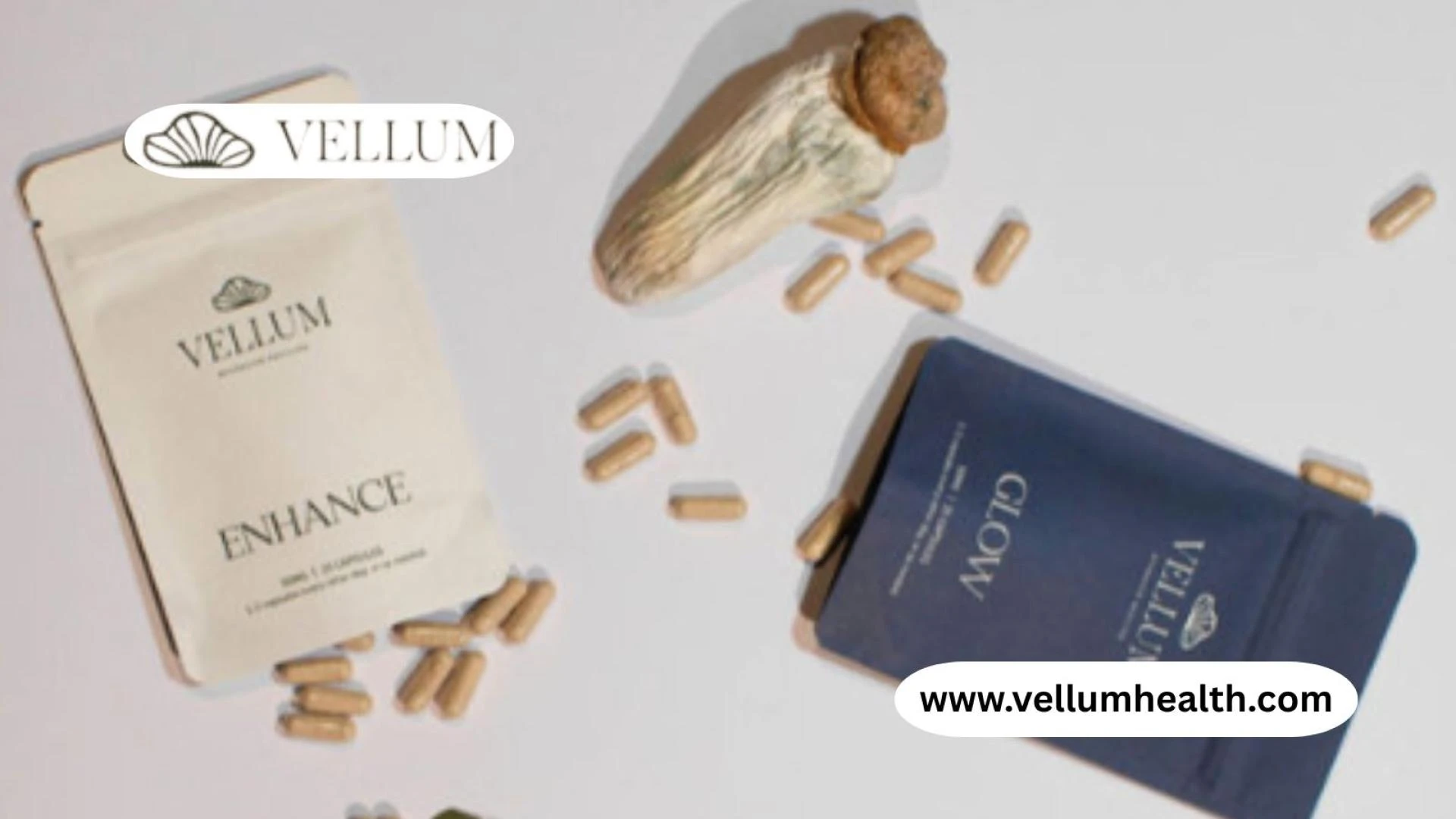
If you are exploring mushroom supplements, take time to compare transparent formulations and learn what each ingredient actually contributes to your routine. For more information about mushroom-based wellness products and ingredients, explore the educational resources available from Vellum Health.



























Sign in to leave a comment.