
Introduction
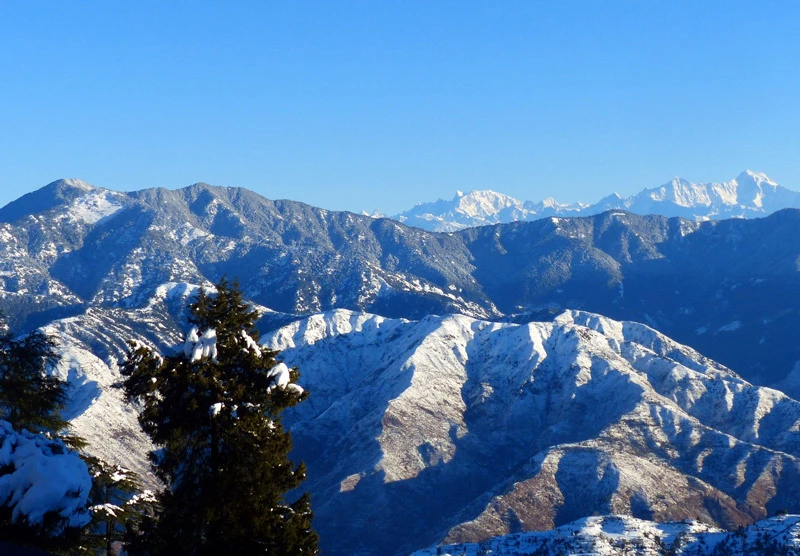
Nestled in the lap of the mighty Himalayas, the Nag Tibba trek offers adventure enthusiasts and nature lovers an opportunity to explore the serene beauty of Uttarakhand, India.
This trek is an exhilarating experience, providing a perfect blend of adventure and natural beauty. Nag Tibba, also known as the "Serpent's Peak," is the highest peak in the Nag Tibba range, and the trek to its summit is a mesmerizing journey that takes you through dense forests, lush meadows, and picturesque villages. In this article,
We will delve into the various aspects of the Nag Tibba trek, from its historical significance to the thrilling adventure it promises.
The Historical Significance of Nag Tibba
Nag Tibba holds significant historical and mythological importance in the region. According to local folklore, it is believed to be the abode of 'Nag Devta,' the serpent god.
The word 'Nag' means serpent, and 'Tibba' means peak in the local Garhwali dialect. The temple of Nag Devta at the base of the peak is a revered place for the locals, and every year, a fair is organized to honor the deity.
The trek to Nag Tibba is not just about adventure; it's also a journey through the rich cultural and religious heritage of the region.
Getting There: The Starting Point
The Nag Tibba trek typically begins from Pantwari, a quaint village located about 96 kilometers from Dehradun. Dehradun is the nearest major city and serves as a gateway to the trekking adventure.
From Dehradun, you can hire a taxi or take a bus to reach Pantwari. The journey itself offers breathtaking views of the lower Himalayas and sets the tone for the trek ahead.
The Trekking Experience
Day 1: Pantwari to Nag Tibba Base Camp
The trek begins with a moderate ascent through dense forests and serene villages. The trail is well-marked and offers glimpses of the local way of life.
You'll pass through rhododendron and oak forests, making it a visual treat for nature enthusiasts. After a few hours of trekking.
you'll reach the Nag Tibba base camp, which is a picturesque meadow surrounded by lush greenery. It's an ideal spot to set up camp for the night.
Day 2: Summiting Nag Tibba
The second day of the trek involves an early morning start to witness the sunrise from the Nag Tibba summit, which stands at an elevation of 9,915 feet (3,022 meters).
The trek from the base camp to the summit is a challenging yet rewarding one.
The trail becomes steeper as you approach the summit, but the panoramic views of the Himalayan peaks make every step worthwhile.
On a clear day, you can see peaks like Swargarohini, Bandarpoonch, and Kedarnath.
Day 3: Descending and Return to Pantwari
After spending some quality time at the summit and soaking in the breathtaking views, you'll start your descent back to the Nag Tibba base camp.
From there, you'll trek back to Pantwari, marking the end of your Nag Tibba adventure. The return journey allows you to reflect on the experiences and memories you've gathered along the way.
Flora and Fauna
The Nag Tibba trek takes you through a diverse range of ecosystems, from dense forests to alpine meadows. This variety of habitats makes it an excellent place for wildlife enthusiasts.
Keep an eye out for various bird species, including the colorful Himalayan Monal, and if you're lucky, you might spot mountain goats and other wildlife.
Best Time to Visit
The best time to undertake the Nag Tibba trek is from April to June and September to November. During these periods, the weather is pleasant, and the trek offers stunning views of the snow-capped Himalayan peaks. However, if you're a fan of snow, you can also plan your trek in the winter months (December to February) when the region is covered in a pristine white blanket.
Essential Tips for a Successful Nag Tibba Trek
Fitness Preparation:
While the Nag Tibba trek is considered moderate in difficulty, it's essential to be physically prepared. Regular cardio and strength training exercises can help you build stamina and endurance for the trek.
Packing Essentials:
Pack light but ensure you have the essentials, including warm clothing, rain gear, a good quality backpack, a sleeping bag, and trekking shoes. Don't forget to carry essentials like a water bottle, energy snacks, and a first-aid kit.
Local Guides:
Hiring a local guide is highly recommended, especially if you're not familiar with the terrain. They can provide valuable insights, ensure your safety, and enhance your overall trekking experience.
Responsible Trekking:
Leave no trace behind. Respect the environment, avoid littering, and follow the principles of responsible trekking to preserve the natural beauty of Nag Tibba for generations to come.
Conclusion
The Nag Tibba trek is a remarkable journey that offers a perfect blend of adventure, natural beauty, and cultural significance. Whether you're an experienced trekker or a beginner, this trek has something to offer to everyone.
From the rich history and mythology surrounding the peak to the stunning landscapes and diverse flora and fauna.
Nag Tibba has all the ingredients for an unforgettable trekking experience. So, pack your bags, lace up your trekking shoes, and embark on this thrilling adventure to summit the highest peak in the Nag Tibba range.

























Sign in to leave a comment.