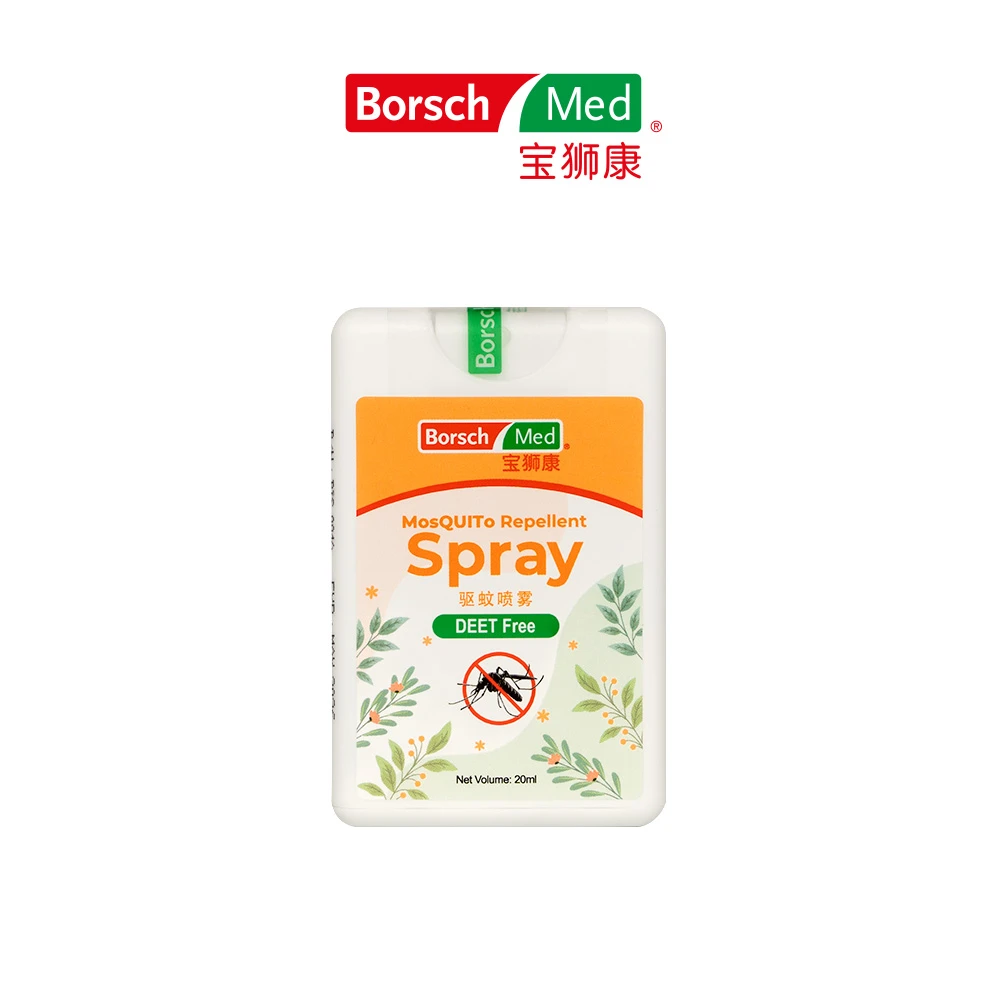

Mosquitoes are more than just a nuisance; they are carriers of diseases such as malaria, dengue, Zika virus, and West Nile virus. While commercial repellents can be effective, they often contain chemicals like DEET, which can cause skin irritation and other adverse effects. This has led many to seek natural mosquito repellent options. In this comprehensive guide, we will explore various natural methods to repel mosquitoes, ensuring a safer and more pleasant environment.
Understanding Mosquito Behavior
Before diving into natural repellents, it’s important to understand what attracts mosquitoes. Mosquitoes are primarily drawn to:
- Carbon dioxide: Emitted from our breath.
- Body odor and sweat: Lactic acid and ammonia are particularly attractive.
- Heat: Body warmth signals a potential blood meal.
- Dark clothing: Mosquitoes use vision to locate targets.
Armed with this knowledge, we can better target our repellent strategies.
Top Natural Mosquito Repellents
1. Essential Oils
Essential oils are potent and can provide effective mosquito repellent properties. Here are some of the best:
- Lemon Eucalyptus Oil: Approved by the CDC as an effective mosquito repellent, lemon eucalyptus oil contains citronellal, which masks the scents that attract mosquitoes.
- Lavender Oil: Known for its calming properties, lavender oil is also effective at repelling mosquitoes due to its linalool content.
- Tea Tree Oil: With antiseptic and anti-inflammatory properties, tea tree oil also deters mosquitoes.
- Peppermint Oil: The strong scent of peppermint oil can overwhelm mosquitoes’ senses.
- Catnip Oil: Research shows catnip oil can be ten times more effective than DEET.
Application: Mix a few drops of essential oil with a carrier oil (like coconut or jojoba oil) and apply to exposed skin. Alternatively, use a spray bottle to mist the mixture around the home or outdoor areas.
2. Natural Plants
Certain plants can be grown to repel mosquitoes naturally. These plants emit fragrances that mosquitoes find unpleasant:
- Citronella: This plant’s oil is a common ingredient in natural repellents.
- Marigolds: Contain pyrethrum, a compound used in many insect repellents.
- Basil: Emits a strong scent that mosquitoes dislike.
- Lavender: Besides its oil, the plant itself can ward off mosquitoes.
- Peppermint: Both the plant and oil are effective deterrents.
Implementation: Plant these around your garden, patio, or indoor areas to create a mosquito-repellent zone.
3. Homemade Repellent Recipes
Creating homemade mosquito repellents is simple and cost-effective. Here are a few recipes:
Lemon Eucalyptus Spray
- 10 drops of lemon eucalyptus oil
- 2 tablespoons of witch hazel
- 2 tablespoons of water
Instructions: Mix ingredients in a spray bottle and apply to skin or clothing.
Lavender Oil and Vanilla Spray
- 10 drops of lavender oil
- 2 teaspoons of vanilla extract
- 2 tablespoons of lemon juice
- 1 cup of water
Instructions: Combine in a spray bottle and shake well before use.
4. Natural Mosquito Traps
Traps can effectively reduce mosquito populations. Here’s how to make a natural trap:
Sugar and Yeast Trap
- 1 cup of water
- 1/4 cup of brown sugar
- 1 gram of yeast
- 1 large plastic bottle
Instructions: Cut the bottle in half. Mix sugar and water, heating until dissolved. Cool, then pour into the bottom half of the bottle. Add yeast. Insert the top half of the bottle upside down into the bottom half, creating a funnel. Mosquitoes are attracted to the carbon dioxide produced by the yeast and get trapped.
Lifestyle and Environmental Adjustments
Reducing mosquito populations and their breeding grounds is crucial. Here are some adjustments to consider:
1. Eliminate Standing Water
Mosquitoes breed in stagnant water. Regularly empty and clean:
- Bird baths
- Pet water dishes
- Plant saucers
- Gutters
2. Use Mosquito Nets and Screens
Installing mosquito nets over beds and screens on windows and doors can significantly reduce indoor mosquito exposure.
3. Wear Protective Clothing
When outdoors, wear light-colored, long-sleeved shirts and pants to reduce the chances of mosquito bites.
Benefits of Natural Mosquito Repellents
Using natural mosquito repellent offers several advantages:
- Safety: Free from harmful chemicals, they are safer for children and pets.
- Environmental Impact: Less harmful to the ecosystem compared to chemical repellents.
- Cost-Effectiveness: Many natural repellents are affordable and easy to make.
Conclusion
Natural mosquito repellents provide an effective and safe alternative to chemical-based products. By incorporating essential oils, planting mosquito-repellent flora, creating homemade sprays, and making lifestyle adjustments, you can significantly reduce mosquito presence and enjoy a more comfortable living space.





























Sign in to leave a comment.