
Introduction:
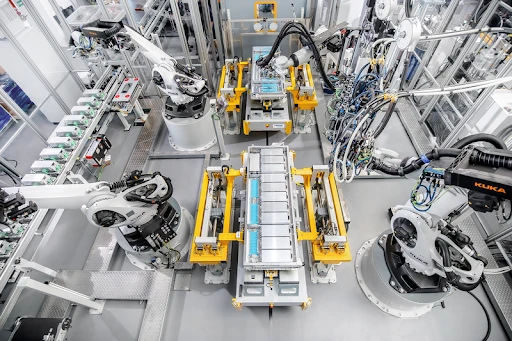
In recent years, robotic automation has emerged as a transformative force, revolutionizing industries across the globe. From manufacturing to healthcare, logistics to agriculture, robots are increasingly becoming integral to operations, streamlining processes, enhancing efficiency, and driving innovation. This article explores the current trends and future developments in robotic automation, highlighting its impact, challenges, and opportunities.
Current Trends in Robotic Automation
Advancements in Artificial Intelligence (AI) have fueled the development of more intelligent and autonomous robots capable of performing complex tasks with precision and efficiency. Collaborative Robots (Cobots) are another significant trend, designed to work alongside humans, enhancing productivity and safety in various environments. Moreover, the integration of Internet of Things (IoT) technology enables seamless communication and coordination among interconnected devices and robots. Cloud Robotics is also gaining traction, offering scalability, flexibility, and remote accessibility in robotic systems. Additionally, 3D Printing is revolutionizing manufacturing processes, enabling rapid prototyping and customization with minimal waste.
Impact of Robotic Automation on Industries
Robotic automation is reshaping industries in profound ways. In the manufacturing sector, robots are revolutionizing production lines, increasing output, and improving quality while reducing costs. In healthcare, robotic surgery and automation in diagnostics are enhancing precision and patient outcomes. Logistics and supply chain management benefit from automated warehouses and autonomous vehicles, optimizing inventory management and delivery processes. In agriculture, robots are revolutionizing farming practices, from precision planting to autonomous harvesting, improving efficiency and sustainability.
Challenges and Concerns
Despite its transformative potential, robotic automation also poses challenges and concerns. Job displacement remains a significant issue, raising questions about the future of work and the need for reskilling and upskilling programs. Security and privacy risks associated with interconnected robotic systems raise concerns about data breaches and cyber-attacks. Moreover, ethical considerations regarding the use of robots in various domains, including healthcare and warfare, necessitate careful deliberation and regulation.
Future Developments in Robotic Automation
Looking ahead, the future of robotic automation holds immense promise. Autonomous vehicles and drones are poised to revolutionize transportation and delivery services, offering faster and more efficient mobility solutions. Personal robotics will become increasingly common in homes and workplaces, assisting with tasks and enhancing quality of life. Wearable robotics will augment human capabilities, enabling enhanced mobility and functionality. Moreover, Quantum Robotics holds the potential to revolutionize computing and information processing, unlocking unprecedented levels of speed and efficiency.
The Role of Regulation and Policy
Effective regulation and policy frameworks are crucial to ensuring the responsible development and deployment of robotic automation. Governments play a vital role in establishing standards, guidelines, and safeguards to address safety, security, and ethical concerns. International collaboration is essential to harmonize regulations and facilitate knowledge sharing and best practices.
Adoption of Robotic Automation in Different Sectors
While large corporations have been at the forefront of adopting robotic automation, small and medium enterprises (SMEs) are increasingly recognizing its potential benefits. Moreover, developing countries are leveraging robotics to leapfrog traditional development pathways, accelerating economic growth and development. Educational institutions and research organizations play a pivotal role in fostering innovation and talent development in the field of robotics.
Investment and Funding in Robotic Automation
Investment and funding in robotic automation continue to soar, driven by growing demand and technological advancements. Venture capital and private equity firms are actively investing in startups and emerging technologies, fueling innovation and growth. Corporate investments from industry giants are driving research and development initiatives, while government grants and funding support academic research and collaborative projects.
The Future Workforce in the Era of Robotic Automation
In the era of robotic automation, the workforce will undergo significant transformations. While some jobs may be displaced, new opportunities will emerge, requiring specialized skills in robotics, AI, and data analytics. Reskilling and upskilling programs will be essential to equip workers with the necessary competencies for the digital age. Moreover, human-machine collaboration will become increasingly prevalent, emphasizing the complementary strengths of humans and robots.
Ethical Considerations and Social Implications
Ethical considerations and social implications must be carefully considered in the development and deployment of robotic automation. Ensuring equity and access to robotic technologies is essential to prevent widening disparities. Moreover, environmental impact assessments are needed to minimize the ecological footprint of robotic systems. Human-robot interaction studies are crucial to understanding and optimizing the dynamics between humans and robots in various contexts.
Case Studies
Numerous case studies demonstrate the successful implementation of robotic automation across industries. From automotive manufacturing to healthcare delivery, these examples showcase the tangible benefits of robotics in enhancing efficiency, productivity, and safety. However, they also underscore the importance of addressing challenges and mitigating risks to maximize the potential of robotic automation.
Conclusion
In conclusion, robotic automation represents a paradigm shift in the way we work, live, and interact with technology. By embracing current trends and anticipating future developments, organizations can harness the transformative power of robotics to drive innovation, enhance competitiveness, and improve quality of life. However, realizing the full potential of robotic automation requires proactive efforts to address challenges, foster collaboration, and ensure ethical and responsible deployment.



























Sign in to leave a comment.