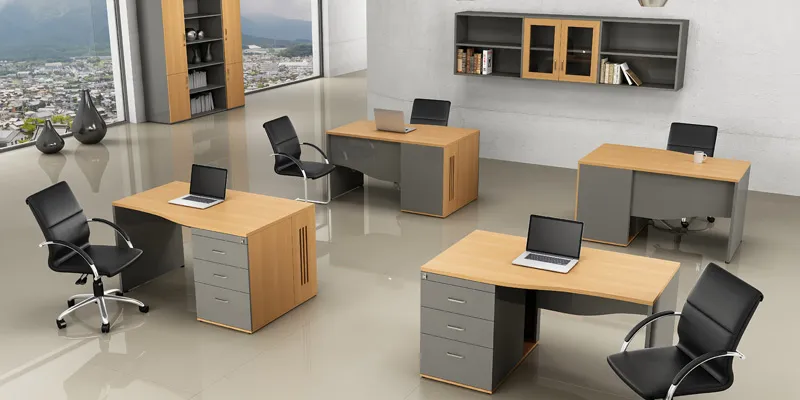

In the evolving landscape of professional environments, the concept of the "office" has shifted from a static rows of cubicles to a dynamic ecosystem designed for performance, well-being, and technological integration. Whether you are spearheading a corporate redesign, setting up a specialized tech hub, or optimizing a high-performance home office, the selection of Office Furniture & Accessories is the most critical factor in determining long-term productivity.
We are no longer just choosing desks and chairs; we are engineering environments that support the human body and the digital tools it interacts with. This guide explores the intersection of ergonomics, aesthetics, and utility to help you build a workspace that works as hard as you do.
1. The Ergonomic Foundation: Why Support Matters
The human body was not designed to sit for eight to ten hours a day. Modern office furniture aims to mitigate the "sitting disease" by providing active support and encouraging movement.
The Task Chair: The Pilot's Seat
A high-quality ergonomic chair is an investment in your health. Look for these essential features:
- Lumbar Support: Adjustable support for the lower back to maintain the natural "S" curve of the spine.
- Adjustable Armrests: These should allow your shoulders to remain relaxed and your elbows to stay at a 90∘ angle.
- Seat Depth: Ensuring there is a small gap (2–3 fingers) between the back of your knees and the seat pan to maintain circulation.
Standing Desks: Introducing "Active Working"
The rise of the sit-stand desk has revolutionized the modern office. Alternating between sitting and standing every 30 to 60 minutes can boost metabolic rates, improve focus, and reduce chronic back pain.
- Electric vs. Manual: Electric motors allow for seamless transitions, which increases the likelihood that you will actually use the standing feature.
- Memory Presets: Essential for shared workspaces so multiple users can find their perfect height with one touch.
2. Functional Surfaces: Desks and Workstations
The desk is the "anchor" of the office. Its size and material should be dictated by your specific workflow.
- Executive Desks: Large, imposing surfaces designed for those who need space for physical documents, multiple monitors, and face-to-face meetings.
- L-Shaped Desks: The ultimate choice for multi-taskers. They provide a dedicated zone for computer work and a secondary zone for administrative tasks or creative drafting.
- Bench Desks: Common in open-plan tech offices, these promote collaboration and make it easier to scale a team without redesigning the entire floor plan.
3. The Power of Accessories: From Clutter to Clarity
While the furniture provides the structure, the accessories provide the efficiency.
Monitor Arms
One of the most overlooked accessories, a monitor arm allows you to position your screen exactly at eye level. This prevents "tech neck"—the strain caused by looking down at a monitor. It also frees up valuable desk real estate, creating a cleaner, more organized surface.
Cable Management
A "spaghetti mess" of wires isn't just an eyesore; it’s a mental distraction. Modern accessories like under-desk cable trays, magnetic cord clips, and power grommets ensure that your power and data lines are invisible yet accessible.
Lighting: Beyond the Overhead Buzz
Lighting influences your circadian rhythm and eye fatigue.
- Task Lighting: A dedicated desk lamp with adjustable color temperatures (cool white for focus, warm yellow for evening wind-down).
- Ambient Lighting: Soft, indirect light that reduces the harsh contrast between a bright monitor and a dark room.
4. Storage Solutions: The Art of Archiving
In a digital world, we still have physical needs.
- Pedestals: Small, mobile filing cabinets that fit under the desk.
- Credenzas: Low-profile storage that doubles as a surface for printers or coffee stations.
- Vertical Shelving: Utilizing wall space to keep the floor clear, essential for smaller office footprints.
5. Integrating Tech: The Infrastructure of Success with Tecisoft
In 2026, office furniture cannot be separated from the technology it houses. A modern desk is effectively a docking station for a complex array of hardware—computers, multiple monitors, conferencing gear, and networking hubs. The furniture provides the physical support, but the digital infrastructure provides the lifeblood.
For organizations looking to bridge the gap between their physical environment and their technical requirements, Tecisoft offers a vital range of IT hardware and professional solutions. Whether you are sourcing the networking essentials to keep a collaborative bench desk connected or seeking the high-performance peripherals that turn a simple workstation into a powerhouse, having a reliable partner for your hardware needs is essential. By ensuring your office accessories are backed by robust technical components, you create a seamless workspace where the furniture and the technology function as a single, unified system.
6. Acoustics and Privacy in the Open Office
The open-plan office brought collaboration but took away concentration. Modern furniture design is now solving for "acoustic privacy."
- Acoustic Panels: Felt or foam panels that absorb sound, reducing the "echo" in large rooms.
- Privacy Screens: Translucent or fabric dividers that clip onto desks to provide a visual and psychological barrier without blocking natural light.
- Phone Booths: Small, soundproof "pods" where employees can take private calls or focus intensely for short bursts.
7. Materials and Aesthetics: The "Resimercial" Trend
We are seeing a fusion of "Residential" and "Commercial" design—known as Resimercial. The goal is to make the office feel more like home to reduce stress and increase comfort.
- Natural Woods: Bringing biophilic elements into the office to lower heart rates.
- Performance Fabrics: Soft to the touch but durable enough to withstand years of heavy commercial use.
- Matte Finishes: Reducing glare from overhead lights onto the work surface.
8. Ergonomic Peripherals: The Small Details
Don't ignore the tools your hands touch all day:
- Mechanical Keyboards: Offer better tactile feedback and can reduce typing fatigue compared to "mushy" membrane keys.
- Vertical Mice: Keeps your wrist in a "handshake" position, which is more natural and reduces the risk of Carpal Tunnel Syndrome.
- Footrests: Essential for shorter users to ensure their feet are flat, which stabilizes the lower back.
9. Creating Collaborative "Third Spaces"
Innovation rarely happens behind a desk. Modern office design incorporates "soft" furniture for informal meetings:
- Modular Sofas: Can be reconfigured for different group sizes.
- Bar-Height Tables: Encourage "lean-in" collaboration and short, standing huddles.
- Whiteboard Tables: Surfaces you can write directly on, perfect for brainstorming sessions.
10. Conclusion: Designing for the Future
Your office furniture and accessories are not just "overhead" costs; they are the physical manifestation of your company’s culture and the primary tools for your personal success. A well-designed office reduces physical pain, minimizes mental friction, and integrates your technology into a seamless workflow.
As we move further into a world of hybrid and tech-centric work, the focus must remain on the human at the center of the machine. By investing in ergonomic support, smart organizational accessories, and a reliable hardware foundation, you aren't just building a place to work—you are building a platform for excellence. Whether you are sitting or standing, make sure your environment is designed to help you reach your peak.




























Sign in to leave a comment.