
Need to Rent a Crane in Toronto? Read This First
When you see a massive building going up or heavy equipment being lifted onto a rooftop, there’s almost always a crane involved. These machines do the kind of heavy lifting that would be impossible—or dangerously slow—by hand. If you're planning a project and need to rent a crane in Toronto, it can feel overwhelming at first. What type do you need? How much will it cost? Who do you trust?
This guide breaks everything down in simple terms so you can make a confident decision without needing an engineering degree.
Why You Might Need a Crane
Think of a crane like a super-strong mechanical arm. Instead of struggling with heavy loads using manpower, a crane does the job quickly and safely.
Here are some common situations where cranes are used:
- Construction projects (homes, condos, office buildings)
- Moving large equipment (like HVAC units)
- Tree removal or landscaping work
- Installing signs or billboards
- Industrial projects and warehouse work
If something is too heavy, too high, or too awkward to move, a crane is usually the answer.
Types of Cranes You Can Rent
Not all cranes are the same. Choosing the right one depends on your project, just like picking the right vehicle depends on where you're going.
1. Mobile Cranes
These are the most common and versatile. They’re mounted on trucks and can be driven directly to your site.
Best for: Quick jobs, tight deadlines, and projects that require moving between locations.
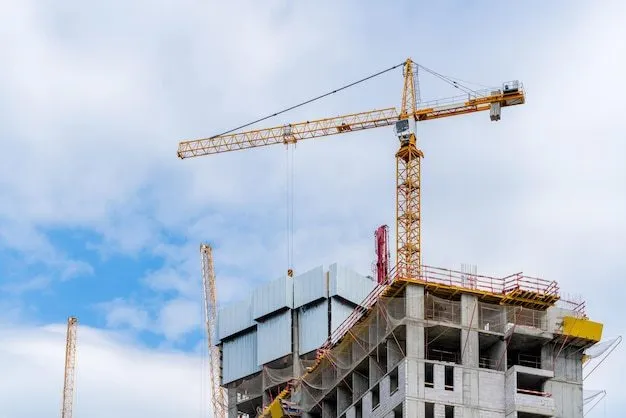
2. Tower Cranes
You’ve probably seen these towering over city skylines. They’re fixed in one place and used for long-term construction.
Best for: High-rise buildings and large-scale developments.
3. Rough Terrain Cranes
Designed for uneven or off-road surfaces, these cranes are perfect for rugged job sites.
Best for: Construction sites with dirt, gravel, or uneven ground.
4. Boom Trucks
These are smaller and more flexible, combining a truck with a lifting arm.
Best for: Short lifts, residential work, or smaller commercial jobs.
How to Choose the Right Crane
Picking a crane doesn’t have to be complicated. Just focus on a few key factors:
Weight of the Load
How heavy is the item you need to lift? This determines the crane’s lifting capacity.
Height and Reach
How high or far does the crane need to extend? For example, lifting something onto a rooftop requires more reach than moving items on the ground.
Job Site Conditions
Is the area tight, crowded, or uneven? This affects the type of crane that will work best.
Duration of the Project
A quick lift might only need a mobile crane for a few hours, while a long construction project might require a tower crane for months.
If you’re unsure, a professional crane rental company can help assess your needs and recommend the right option.
What Does Crane Rental in Toronto Cost?
The cost of crane rental in Toronto can vary quite a bit, depending on several factors:
- Type of crane
- Duration of the rental (hourly, daily, or long-term)
- Size and capacity of the crane
- Complexity of the job
- Operator fees
As a rough idea:
- Smaller cranes may cost a few hundred dollars per hour
- Larger or specialized cranes can cost significantly more
Think of it like renting a car—economy models cost less, while larger or luxury vehicles come at a higher price.
Do You Need a Crane Operator?
In most cases, yes—and that’s a good thing.
Operating a crane isn’t like driving a regular vehicle. It requires training, experience, and certification. Most rental companies include a skilled operator as part of the package.
This ensures:
- Safety on the job site
- Efficient lifting and placement
- Compliance with local regulations
Trying to operate a crane without proper training is not only risky—it’s usually not allowed.
Safety: The Most Important Factor
Cranes are powerful machines, and safety should always come first.
Here’s how professional crane services keep things safe:
- Inspecting equipment before use
- Following strict weight limits
- Monitoring weather conditions (wind can affect lifts)
- Using proper rigging techniques
- Keeping clear communication during lifts
A reliable company like Elite Crane Rental INC prioritizes safety at every step, ensuring your project runs smoothly without unnecessary risks.
Benefits of Renting Instead of Buying
If you only need a crane for a specific project, renting makes far more sense than buying.
Here’s why:
Cost Savings
Buying a crane is extremely expensive—not just the purchase, but also maintenance, storage, and insurance.
No Maintenance Hassles
When you rent, the company handles upkeep and repairs.
Access to the Latest Equipment
Rental companies keep their fleet updated, so you get modern, efficient machines.
Flexibility
You can choose different cranes for different projects instead of being stuck with one.
What to Look for in a Crane Rental Company
Not all rental companies are equal. Choosing the right one can make a big difference.
Experience
Look for companies with a strong track record in handling various types of projects.
Range of Equipment
A good company offers multiple crane types to match your needs.
Certified Operators
Make sure operators are trained and licensed.
Transparent Pricing
Avoid surprises by choosing a company that clearly explains costs upfront.
Customer Support
Responsive communication can save you time and stress.
Companies like Elite Crane Rental INC are known for providing dependable service, making the entire process easier for clients.
Planning Ahead: Tips for a Smooth Crane Rental
A little preparation goes a long way. Here are some simple tips:
- Book early: Especially during busy construction seasons
- Prepare the site: Clear obstacles and ensure access for the crane
- Know your load details: Weight, size, and lifting points
- Check permits: Some projects may require city approvals
- Communicate clearly: Share all project details with the rental company
Think of it like planning a move—the more organized you are, the smoother everything goes.
Common Mistakes to Avoid
Even simple projects can run into trouble if you’re not careful.
Underestimating Weight
Always double-check load weight. Guessing can lead to serious issues.
Choosing the Wrong Crane
Using a crane that’s too small—or too large—can cause delays and extra costs.
Ignoring Site Conditions
Tight spaces or unstable ground can affect crane performance.
Last-Minute Booking
Waiting too long can limit your options and increase costs.
Avoiding these mistakes can save both time and money.
The Growing Demand for Crane Rental in Toronto
Toronto is constantly growing, with new buildings, renovations, and infrastructure projects happening all the time. This has increased the demand for crane rental services.
From small residential jobs to large commercial developments, cranes play a crucial role in keeping projects on schedule.
As the city continues to expand, reliable crane services are more important than ever.
Conclusion
Renting a crane in Toronto doesn’t have to be complicated. Once you understand your project needs—like weight, height, and site conditions—the rest becomes much easier.
Whether you’re working on a small home project or a large construction site, choosing the right crane and a trustworthy rental company can make all the difference. It’s not just about lifting heavy objects—it’s about doing the job safely, efficiently, and without unnecessary stress.
With the right planning and support, your project can move forward smoothly from start to finish.
Frequently Asked Questions (FAQ)
1. How far in advance should I book a crane rental?
It’s best to book at least a few days to a week in advance, especially during busy seasons.
2. Can cranes be used in residential areas?
Yes, smaller cranes like boom trucks are often used for residential projects such as roof work or tree removal.
3. What happens if the weather is bad?
Strong winds or severe weather can delay crane operations for safety reasons. The rental company will guide you.
4. Do I need a permit to use a crane in Toronto?
In some cases, yes—especially if the crane affects public roads or sidewalks. Your rental provider can help with this.
5. Is crane rental charged hourly or daily?
It can be both. Short jobs are usually billed hourly, while longer projects may have daily or weekly rates.


























Sign in to leave a comment.