
Lead generation has never been just about filling forms and collecting contact details. It is about creating moments where interest turns into action. When someone visits a website today, there is already an expectation of responsiveness. People are no longer patient with slow replies or complicated processes. They want clarity, direction, and quick answers before they move on to another option.
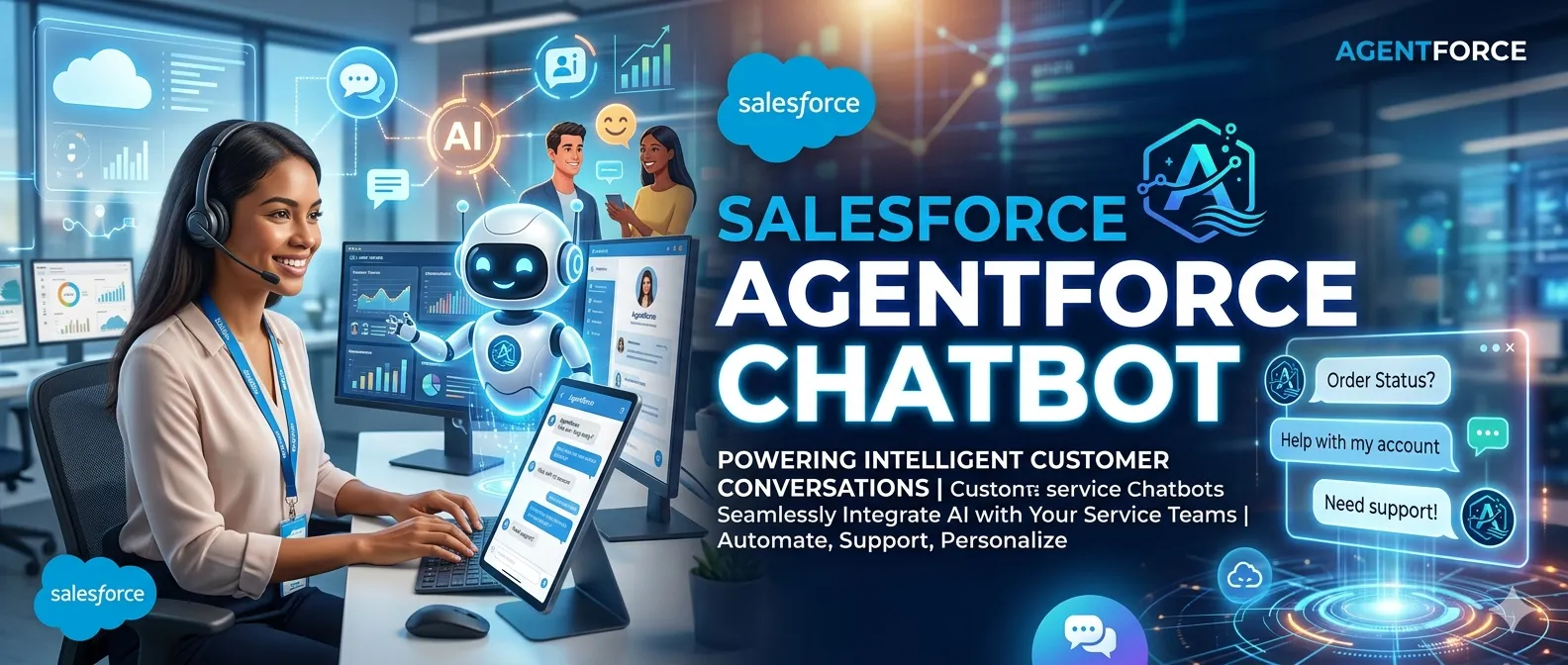
That shift in expectation is changing the way organizations approach customer engagement. Conversations have become central to capturing attention at the right moment. Many teams are turning to Salesforce Agentforce Chatbots because they provide a structured way to interact with visitors instantly and guide them toward meaningful outcomes without delays or confusion.
The Changing Nature of Lead Generation
Lead generation once relied heavily on static forms and delayed responses. A visitor would submit details and wait for someone to respond hours or even days later. During that waiting period, interest often cooled, and the potential lead explored alternatives.
Today, interaction is expected to happen immediately. Visitors want to ask questions before committing to share their details. They want to understand whether the offering fits their needs without spending too much time searching through pages of information.
This is where conversational engagement becomes valuable. A chatbot does more than answer questions. It creates a guided journey that helps visitors move from curiosity to commitment. Instead of browsing aimlessly, users feel supported and understood.
Using Salesforce Agentforce as the underlying platform allows conversations to be tied directly to customer records. This connection ensures that each interaction contributes to a broader understanding of the prospect rather than existing as isolated conversations.
Creating Engagement That Feels Natural
Engagement works best when it feels effortless. Visitors do not want to feel pressured or overwhelmed with complicated steps. A well structured conversation offers simple prompts that encourage responses without creating friction.
A chatbot can greet visitors, ask what they are looking for, and suggest helpful options. These early interactions remove hesitation. When someone receives quick answers, trust begins to develop.
Natural engagement also involves recognizing the difference between casual interest and serious intent. By asking targeted questions, the chatbot gathers useful information that reveals how ready the prospect is to move forward.
Over time, these interactions become predictable and reliable. Visitors return because they know they will receive support without unnecessary delays. This reliability strengthens brand perception and improves conversion rates.
Improving Lead Qualification From the Start
Not every visitor is ready to become a customer. Some are researching, while others are actively searching for solutions. Distinguishing between these groups is essential for efficient lead management.
Qualification begins during the first interaction. A Salesforce Agentforce Chatbot can ask relevant questions about needs, timelines, and priorities. These questions help categorize leads based on readiness and fit.
Instead of passing every inquiry to sales teams, only qualified opportunities move forward. This filtering process saves time and ensures that sales representatives focus on meaningful conversations rather than chasing uncertain leads.
Another advantage of structured qualification is consistency. Every visitor receives the same level of attention and the same set of qualifying questions. This standardization improves accuracy and reduces missed opportunities.
Providing Around-the-Clock Availability
Modern businesses operate across different regions and time zones. Visitors may arrive at any hour, and waiting until office hours can lead to lost opportunities.
A chatbot offers constant availability without increasing staffing requirements. Whether it is early morning or late evening, visitors receive immediate responses. This availability builds confidence because users know their questions will not be ignored.
At the same time, automation does not remove the human element. When conversations become complex or require deeper discussion, they can be handed over to a human representative. This combination of automation and human support creates a balanced experience.
A salesforce agentforce service agent plays a supporting role by managing transitions between automated interactions and human engagement. This coordination ensures that conversations remain smooth and uninterrupted.
Using Data to Personalize Every Interaction
Personalization has become a defining factor in successful lead generation. People appreciate when businesses remember their preferences and provide relevant suggestions.
When conversational tools connect with customer data, interactions become more meaningful. Returning visitors can receive greetings tailored to their previous inquiries. Suggested resources can match their interests or industry.
Personalized interactions create a sense of familiarity. Visitors feel valued rather than treated as anonymous users. This sense of recognition encourages deeper engagement and increases the likelihood of conversion.
Data also supports smarter recommendations. Instead of offering generic information, the chatbot can present specific services that align with the visitor’s needs. This targeted approach reduces confusion and helps prospects make informed decisions.
Supporting Marketing Campaign Success
Marketing campaigns drive traffic, but traffic alone does not guarantee results. Visitors must be engaged quickly to convert interest into action.
When a campaign directs users to a landing page, immediate interaction makes a difference. A chatbot positioned on the page can answer questions related to the campaign message. This support removes uncertainty and helps visitors move forward with confidence.
Campaign data becomes more valuable when conversations are tracked and analyzed. Marketing teams gain insights into which messages generate curiosity and which questions appear most frequently. These insights help refine future campaigns and improve overall performance.
Interactive support also reduces bounce rates. Visitors stay longer because they receive assistance rather than facing unanswered questions.
Strengthening Collaboration Between Teams
Lead generation involves more than marketing alone. Sales, service, and operations teams all play a role in guiding prospects through the journey.
A conversational system creates a shared environment where information flows across teams. Notes from conversations, qualification details, and preferences are stored in one place. This shared visibility reduces confusion and improves coordination.
When teams operate with the same information, responses become more consistent. Prospects receive clear answers regardless of who handles the conversation. This consistency strengthens trust and enhances the overall experience.
Over time, collaboration becomes smoother because workflows are clearly defined. Each team understands its role and responsibilities within the lead generation process.
Measuring Performance and Improving Outcomes
Every interaction provides data that can be studied and improved. Response times, conversion rates, and conversation outcomes reveal patterns that highlight strengths and weaknesses.
Measurement allows teams to refine their approach. If certain questions lead to higher conversions, they can be emphasized. If visitors frequently exit at specific points, adjustments can be made to improve clarity.
Continuous refinement transforms lead generation into a disciplined process rather than a series of guesses. Decisions are based on observed behavior instead of assumptions.
This structured improvement cycle strengthens results over time. Each change contributes to better engagement and higher-quality leads.
Preparing for the Future of Customer Engagement
Lead generation continues to evolve as customer expectations grow. Businesses that rely on outdated methods risk losing attention to faster and more responsive competitors.
Conversational engagement supported by tools like Salesforce Agentforce provides a foundation for adapting to these changes. It supports immediate interaction, accurate qualification, and consistent follow-up.
Looking ahead, the organizations that succeed will be those that treat conversations as valuable opportunities rather than simple transactions. Every question asked by a visitor represents an interest that deserves attention.
When engagement is handled thoughtfully, prospects feel supported from the first interaction to the final decision. That sense of support builds trust, strengthens relationships, and turns interest into long-term business growth.























Sign in to leave a comment.