

Introduction
Search "nofirno fire sealant" and you'll find plenty of product pages but few straight answers to the questions engineers, contractors, and facility managers actually ask before specifying it. This guide answers the seven questions that come up most often fire rating, installation, lifespan, and where it fits against alternatives so you can make the call with confidence.
1. What Exactly Is NOFIRNO® Fire Sealant?
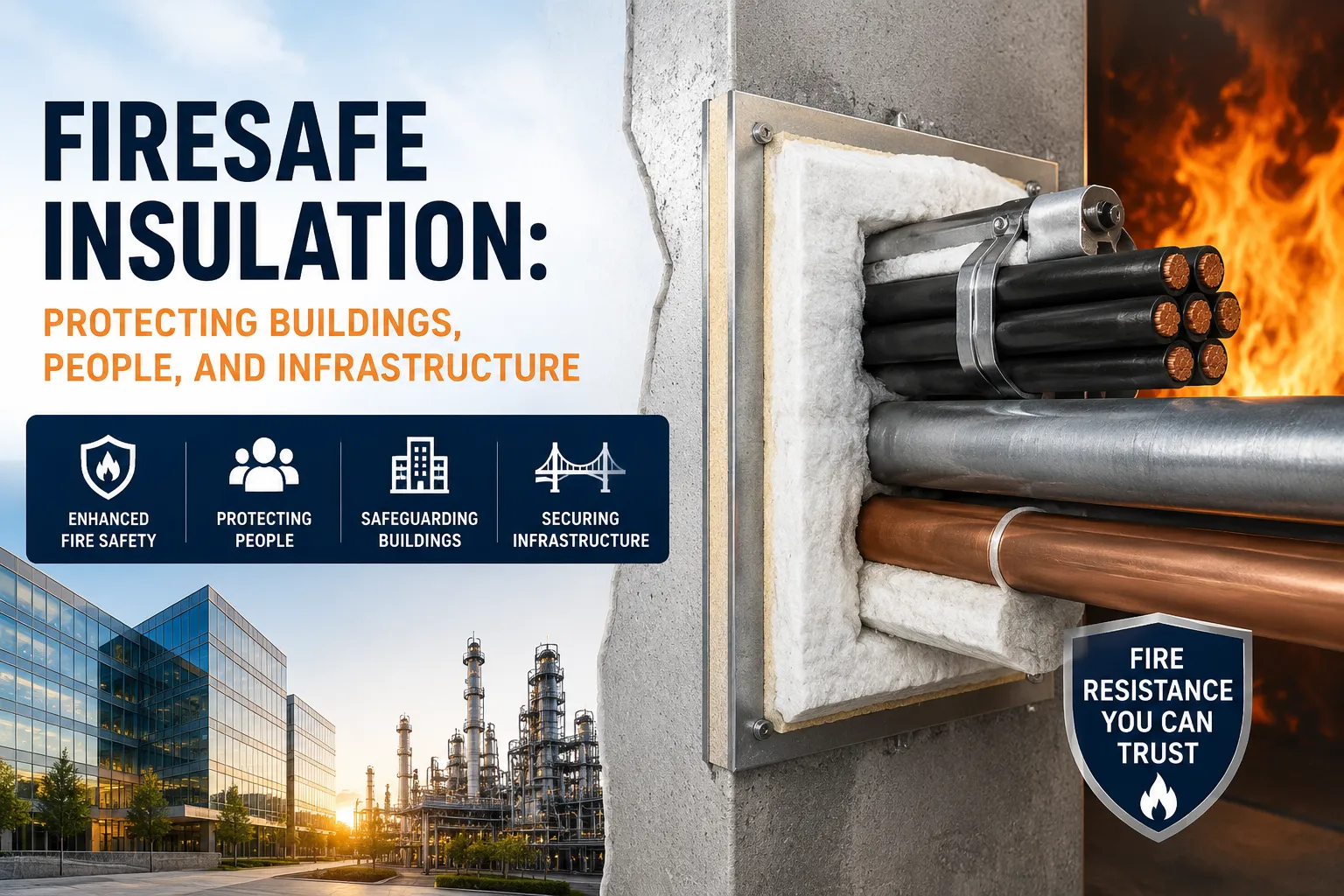
NOFIRNO® fire sealant is a single-component, silicone-based compound at the core of Beele Engineering's multi-cable and pipe transit system. It pairs with a silicone rubber filler sleeve fitted around each individual cable or pipe, forming a structured, compressed fill inside the wall or floor penetration — sealing it against fire, smoke, gas, and water in a single system.
2. What Fire Rating Does It Achieve?
NOFIRNO® is approved for A-class, H-class, and Jet Fire ratings. It has been jet fire tested at temperatures exceeding the standard hydrocarbon fire curve — the kind of exposure associated with a major industrial fire or offshore blowout — and has maintained seal integrity throughout, which is why it's specified on offshore platforms as well as commercial buildings.
3. Can It Seal Mixed Cable and Pipe Penetrations?
Yes — this is what sets it apart. NOFIRNO®'s multi-all-mix design was the first system certified to seal any combination of cables, metallic pipes, GRP pipes, and plastic pipes through the same penetration. Most conventional sealants require separate products for each service type, which adds cost and installation complexity on mixed-service risers.
4. Is It Safe for Fiber Optic and Sensitive Cables?
Yes. Unlike compression-based sealing systems, NOFIRNO® doesn't rely on squeezing cables to achieve its seal. Cables and pipes can even be fed eccentrically or at an angle without compromising performance, which avoids the physical stress that damages fiber optic lines in tighter, compression-style systems.
5. How Long Does NOFIRNO® Fire Sealant Last?
Independent research points to a service life of at least 20 years with no maintenance required. Part of this comes down to what it doesn't contain — no mineral wool or other moisture-absorbing material, which removes the corrosion risk that shortens the lifespan of older sealing methods.
6. What Standards Does It Comply With?
In Australasia, NOFIRNO® installations are tested to AS 4072.1 (components protecting openings in fire-resistant separating elements) and AS 1530.4 (the fire testing methodology behind the system's fire resistance level). Both certificates need to be kept in a building's passive fire protection register, and state authorities — including Victoria's Essential Safety Measures framework — increasingly require proof of the exact tested system used at each sealed penetration.
7. Where Is It Typically Installed?
- Electrical riser penetrations with dense cable bundles between floors
- Offshore oil & gas platforms and naval vessels
- Hospitals and aged care facilities, where fire resistance requirements are strictest
- Utility and petrochemical mixed-service cores combining cables and pipework
Conclusion
NOFIRNO® fire sealant answers a specific problem: how to seal a mixed, dense, or high-risk penetration without stacking multiple products or compromising sensitive cabling. If your project involves any of the applications above, it's worth confirming these seven points against your specification before defaulting to a conventional sealing product.

























Sign in to leave a comment.