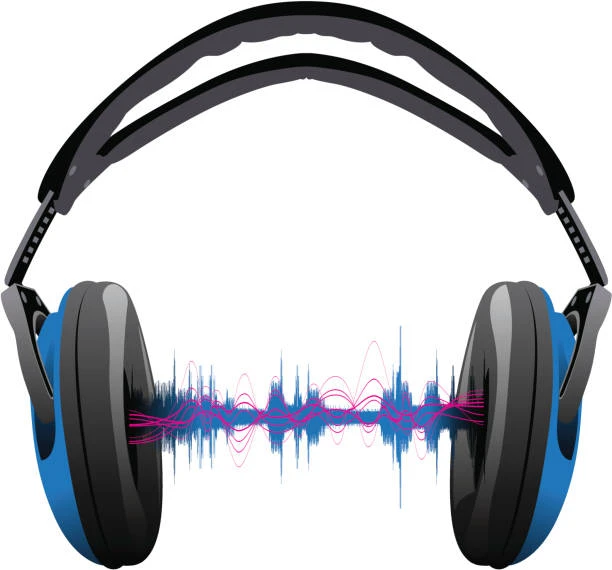

In the world of audio production, clarity and precision are paramount. Whether you’re a seasoned sound engineer or an aspiring music producer, the tools you use can make or break your final product. One such essential tool is the studio headphone, and in recent years, noise-canceling technology has revolutionized how professionals approach their craft.
Understanding Noise-Canceling Technology
Noise-canceling technology primarily comes in two forms: passive and active.
Passive Noise-Canceling
Passive noise-canceling, also known as noise isolation, relies on the physical design of the headphones. These headphones use materials that block out external sounds by creating a seal around or in your ears. Over-ear headphones with large, cushioned ear cups and in-ear models with snug-fitting earpieces are common examples. While passive noise-canceling is effective, especially at blocking higher frequency sounds, it struggles with low-frequency noises like the hum of an air conditioner or airplane engine.
Active Noise-Canceling (ANC)
Active noise-canceling technology takes sound isolation a step further by using electronics. ANC headphones are equipped with microphones that pick up external sounds. The headphones then generate sound waves that are the exact opposite (antiphase) of these incoming sounds. When these opposite waves meet, they cancel each other out, effectively reducing unwanted ambient noise. This technology is particularly effective at eliminating low-frequency noises, providing a quieter listening environment.
The Mechanics of ANC
Active noise-canceling headphones incorporate several components to achieve their effect:
Microphones: Located on the exterior and interior of the ear cups, these microphones pick up ambient noise.
ANC Circuitry: This system processes the external sounds and generates the antiphase sound waves.
Speakers: The antiphase sound waves are played through the headphones’ speakers, canceling out the external noise.
Battery: Since ANC requires power to operate, these headphones come with rechargeable batteries.
Modern ANC headphones often combine both passive and active noise-canceling technologies to provide a comprehensive noise reduction experience.
Benefits of Noise-Canceling Studio Headphones
Enhanced Focus and Productivity
In a studio environment, unwanted noise can be distracting, leading to errors and a compromised listening experience. Noise-canceling headphones create a quieter space, allowing producers and engineers to focus solely on the audio they’re working on, leading to better precision and productivity.
Improved Audio Quality
Without external noise interfering, the subtle details in the audio become more apparent. This is crucial for tasks like mixing and mastering, where every minor element can affect the overall sound. ANC headphones enable a cleaner and more accurate monitoring environment.
Hearing Protection
Constant exposure to high levels of noise can lead to hearing damage. Noise-canceling headphones reduce the need to crank up the volume to drown out background noise, thereby protecting your hearing over time.
Versatility
While noise-canceling headphones are invaluable in the studio, their benefits extend beyond. They are ideal for traveling, commuting, or any situation where you want to enjoy your music or work without distraction.
Choosing the Right Noise-Canceling Studio Headphones
When selecting noise-canceling studio headphones, several factors should be considered:
Sound Quality
For studio headphones, sound quality is paramount. Look for headphones that offer a flat frequency response, which ensures that the audio is reproduced accurately without coloration. Read reviews and, if possible, test the headphones to ensure they meet your standards.
Comfort
Long studio sessions require headphones that are comfortable to wear for extended periods. Look for models with adjustable headbands, plush ear pads, and a lightweight design to minimize fatigue.
Battery Life
Since ANC technology relies on batteries, consider the battery life of the headphones. Longer battery life is beneficial, especially during extended studio sessions or when traveling.
Build Quality
Durability is essential for studio headphones, which are often subjected to regular use and transport. Choose headphones made with high-quality materials and robust construction.
Price
While it’s tempting to go for the most expensive model, the best headphones are those that offer the features you need at a price you can afford. Set a budget and find a balance between cost and functionality.
Brand Reputation
Reputable brands often provide better build quality, sound fidelity, and customer support. Brands like Sony, Sennheiser, and Audio-Technica are well-regarded in the industry.
Popular Noise-Canceling Studio Headphones
Several models have gained popularity among audio professionals for their noise-canceling capabilities and overall performance. Here are a few noteworthy mentions:
Sennheiser Momentum 3 Wireless
Combining stylish design with high-quality sound and effective ANC, the Sennheiser Momentum true wireless 3 is a top choice. It provides a detailed and balanced sound, making it suitable for studio use.
Audio-Technica ATH-M50xBT2
While not traditionally known for noise-canceling, Audio-Technica’s ATH-M50xBT2 offers good passive noise isolation and excellent sound quality, making it a solid choice for those prioritizing audio fidelity.
Conclusion
Noise-canceling technology in studio headphones has transformed the audio production landscape. By significantly reducing unwanted ambient noise, these headphones allow professionals to achieve greater focus, improved audio quality, and better overall results. When selecting noise-canceling studio headphones, consider factors such as sound quality, comfort, battery life, build quality, and price to find the best fit for your needs. With the right pair of headphones, you can elevate your studio experience and produce audio with the utmost clarity and precision.


























Sign in to leave a comment.