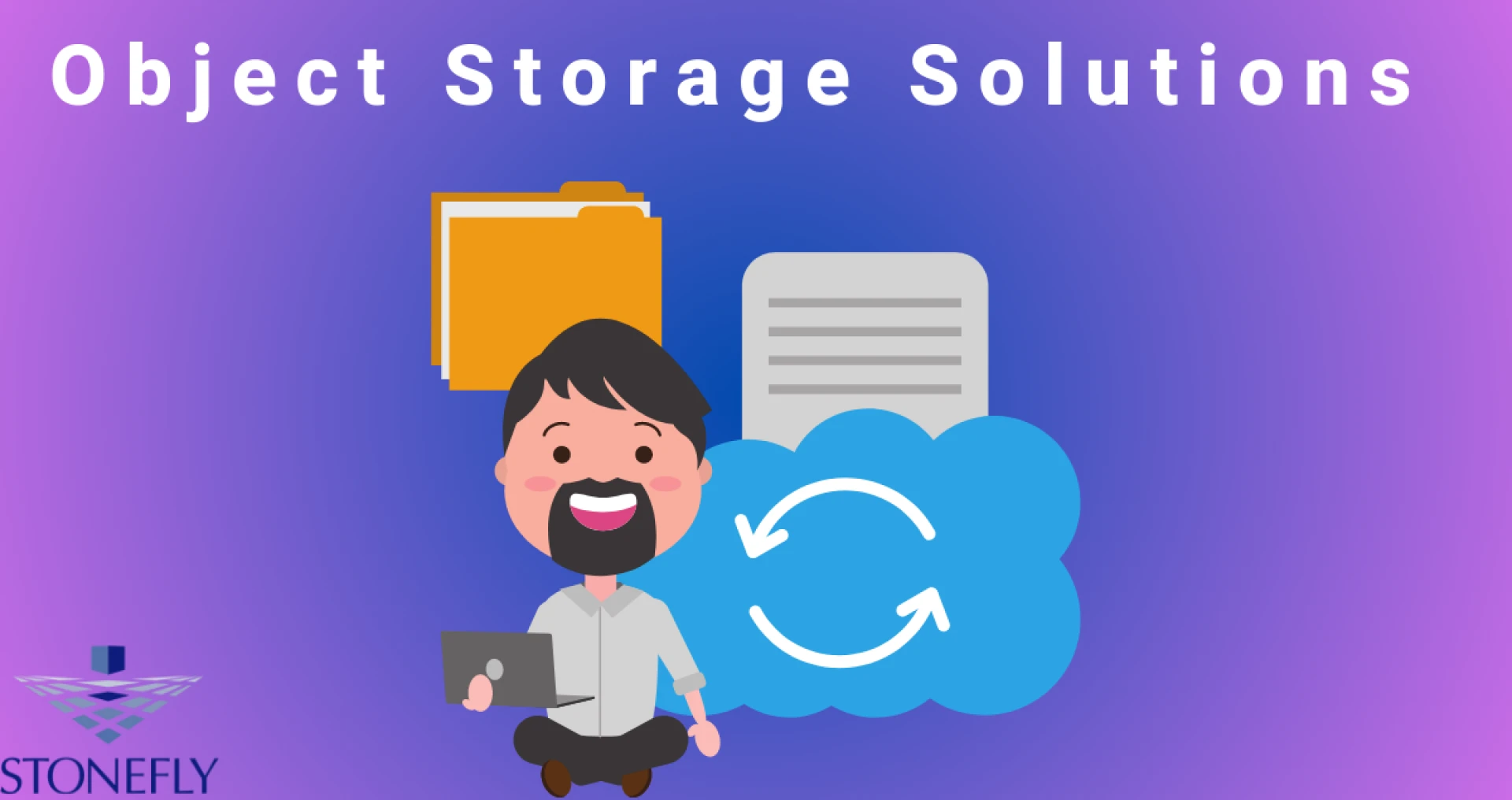

Object Storage Solutions: A Comprehensive Overview
In today's digital landscape, data storage is a critical aspect for businesses of all sizes. With the ever-increasing volume and complexity of data, traditional storage solutions are no longer feasible to meet the demands of modern organizations. This is where Object Storage Solutions come into play.
Object storage is a method of storing and accessing data as objects, rather than as blocks or files. This approach offers several advantages over traditional storage options, making it a popular choice for businesses of all sizes and industries. In this comprehensive overview, we'll delve into the world of object storage solutions and discuss their benefits, use cases, and key players in the market.
Understanding Object Storage
Object storage is a data storage architecture that manages and organizes data as distinct units, known as objects. These objects consist of data, metadata (descriptive information about the data), and a unique identifier. This identifier allows for quick and efficient retrieval of specific objects, making object storage ideal for storing large amounts of unstructured data.
Unlike traditional storage methods that organize data in a hierarchical structure, object storage uses a flat structure. This means that all objects can be accessed independently, without the need for a specific file path. Additionally, object storage solutions offer high scalability and durability, making them suitable for storing massive amounts of Data over long periods.
Key Benefits of Object Storage Solutions
Object storage solutions have several advantages over traditional storage methods:
Scalability:
As mentioned earlier, object storage is highly scalable. This means that businesses can easily add or remove storage capacity as their data needs evolve.
Affordability:
Object storage solutions are more cost-effective than traditional options, making them a viable choice for businesses of all sizes.
Durability:
Object storage systems offer high durability and redundancy, ensuring that data is well-protected against hardware failures.
Accessibility:
With object storage, data can be accessed from anywhere with an internet connection, making it ideal for remote and distributed teams.
Flexibility:
Object storage is flexible and can handle various types of data seamlessly, including structured, unstructured, and semi-structured.
Global Access:
Many object storage solutions offer global access to data, allowing businesses to store and retrieve information from multiple geographical locations.
Easy Data Backup and Recovery:
Object storage solutions make it easy to backup and recover data, offering businesses a reliable disaster recovery strategy.
Advanced Metadata Management:
Object storage allows for more advanced metadata management, making it easier to search, access, and analyze data.
Cost-effective Long-term Archiving:
With its high durability and low cost, object storage is an excellent option for long-term data archiving.
Data Versioning:
Object storage systems offer data versioning, enabling businesses to track and restore previous versions of data if needed.
High Performance:
Object storage solutions can handle large amounts of data with high performance, making it suitable for demanding workloads.
Improved Collaboration:
With its global accessibility and advanced metadata management capabilities, object storage promotes collaboration among team members.
Security:
Object storage offers secure data transfer and storage, making it a reliable option for sensitive information.
Cloud Integration:
Many object storage solutions integrate seamlessly with cloud services, providing businesses with flexible and efficient data management options.
Serverless Architecture:
Some object storage solutions operate on a serverless architecture, reducing maintenance costs and increasing scalability.
Drawbacks of Object Storage Solutions
While object storage offers numerous benefits, it also has a few drawbacks that businesses should consider:
Limited Performance for Small Files:
Object storage is designed to handle large files, so it may not perform as well with small files.
Increased Latency:
Due to the flat structure and unique identifiers, accessing specific objects may result in slightly longer retrieval times.
Limited Data Manipulation:
Unlike traditional storage methods that allow for data manipulation, object storage is more limited in this aspect.
Complex Management:
Object storage solutions can be more complex to manage compared to traditional options.
Reliance on Internet Connection:
Since object storage relies on an internet connection, businesses may face challenges if their connection goes down.
Vendor Lock-in:
Switching between object storage providers may be difficult, leading to vendor lock-in.
Compatibility Issues:
Object storage may not be compatible with all applications and systems, requiring additional configuration or workarounds.
Limited Industry Standardization:
As a relatively new technology, there is currently limited industry standardization for object storage solutions. Businesses must ensure compatibility and interoperability when selecting a provider.
Best Practices for Using Object Storage Solutions
To get the most out of object storage, businesses should follow these best practices:
Plan for Scalability:
Consider future data needs and plan accordingly to ensure scalability.
Understand Cost Structures:
Familiarize yourself with how object storage providers charge for their services to avoid unexpected costs.
Use Alternative Authentication Methods:
Some object storage solutions offer alternative authentication methods, such as token-based authentication, which can improve security.
Utilize Compression and Encryption:
Leverage compression and encryption techniques to optimize storage space and protect sensitive data.
Implement Disaster Recovery Strategies:
Have a disaster recovery plan in place to ensure data is always accessible, even in the event of a disaster.
Regularly Monitor Data Usage:
Regularly monitor data usage to identify any trends or spikes that may require scaling up or down.
Utilize Metadata Efficiently:
Take full advantage of metadata management capabilities to improve data search and retrieval times.
Select a Trusted Provider:
Choose a reliable and trusted object storage provider with a good track record of uptime, security, and customer support.
Conclusion
Object storage solutions offer numerous benefits for businesses, including scalability, affordability, durability, and accessibility. While there are a few drawbacks to consider, following best practices can help mitigate these challenges and ensure optimal use of this technology. As the demand for data storage continues to grow, object storage is becoming an increasingly popular option for businesses of all sizes. With its flexibility, advanced features, and cost-effectiveness, it is well-suited for modern data storage needs. Overall, object storage solutions provide businesses with a reliable and efficient way to manage their ever-growing amounts of data. So why not consider incorporating it into your data management strategy today? You may just find that it simplifies and streamlines your data storage processes in ways you never thought possible.
FAQs
Q: Can I use object storage for all types of data?
Object storage is best suited for storing large files and unstructured data, but it can also store small files. However, its performance may be limited when handling a large number of small files.
Q: How secure is object storage?
Object storage offers secure transfer and storage of data, but businesses should still take precautions to protect sensitive information. Utilizing encryption and regularly monitoring data usage are good practices for enhancing security.
Q: How can object storage improve collaboration?
With its global accessibility and advanced metadata management capabilities, object storage makes it easier for team members to access, share, and collaborate on data regardless of their location. This promotes efficient teamwork and productivity.
Q: Can I integrate object storage with my existing applications?
Some object storage solutions may not be compatible with all applications and systems, but many offer integrations or APIs that allow for seamless integration with other services. Be sure to check compatibility before selecting a provider. So yes, it is possible to integrate object storage into your existing system.
Q: How does pricing work for object storage solutions?
Object storage providers typically charge based on data usage and additional features or services. It is important to understand a provider's pricing structure and any potential hidden costs before making a decision. Some providers offer flexible pricing options, such as pay-as-you-go plans, which may be more cost-effective for businesses with varying data needs.




















Sign in to leave a comment.