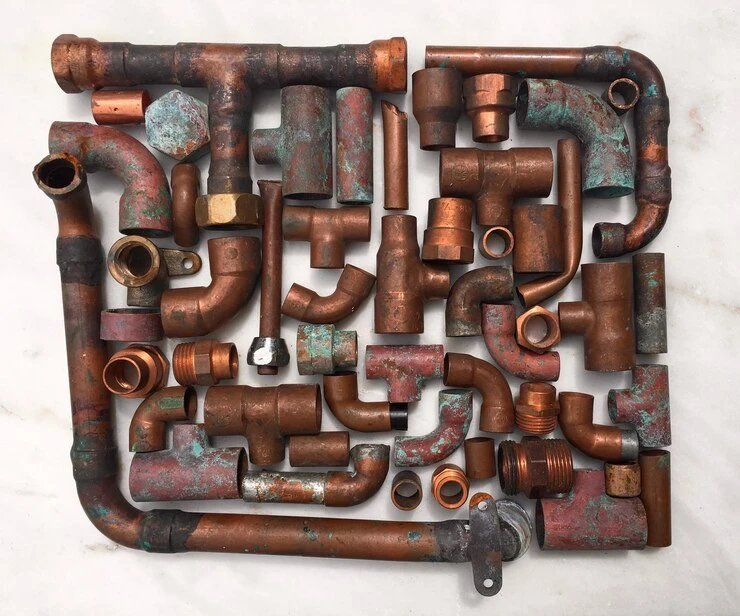

Did you know that most copper piping in homes lasts around 50 years? That sounds like a long time—until you realize many homes built in the 1970s or earlier are now facing serious plumbing issues. While copper has long been trusted for its durability, even the best materials don’t last forever.
If you’ve been searching for home repiping near me, there’s a good chance you’re already dealing with some of the signs that your copper pipes are failing. In this blog, we’ll break down the most common problems with copper piping and help you spot them before they turn into expensive repairs.
1. Pinhole Leaks – Small but Sneaky
One of the most common issues with older copper piping in homes is pinhole leaks. These are tiny holes caused by corrosion from the inside out. You might not notice them right away, but over time, they can cause water damage behind your walls or under your floors.
How to spot it:
● Low water pressure in one or more fixtures
● Damp spots on drywall or ceiling
● Unexpected increase in your water bill
2. Corrosion – The Slow Breakdown
Copper is strong, but it’s not invincible. Over time, water with high acidity or mineral content can corrode the inside of copper pipes. This corrosion eats away at the pipe wall, leading to leaks or poor water flow.
Look out for:
● Discolored water (often greenish or bluish)
● Water that tastes metallic
● Visible green stains on pipe joints or shutoff valves
Corroded pipes can affect water quality and cause major pipe failures if left untreated.
3. Water Pressure Problems
Have you noticed that your shower pressure suddenly dropped? Or maybe it takes forever to fill the bathtub? These can be signs of internal buildup or tiny leaks caused by corrosion in your copper pipes.
This is more common in homes with hard water, where mineral buildup can narrow the inside of the pipes and limit water flow.
4. Noisy Pipes – Ticking, Banging, or Clanging
Copper pipes expand and contract with temperature changes. This can cause them to rub against framing or make noise when water flows through them.
What to listen for:
● Ticking or clicking sounds when turning on hot water
● Banging noises when water flow is stopped (water hammer)
While some noise is normal, frequent or loud banging could be a sign that your pipes aren’t securely fastened—or that air is getting trapped.
5. Visible Wear and Aging Pipes
If you can see your pipes in the basement or under sinks, take a close look. Older copper pipes often show clear signs of wear.
Watch for:
● Green or white crusty buildup on pipe joints
● Pipes that look thin or dented
● Areas with discoloration or a dull finish
These signs could mean your pipes are weakening and may be close to leaking.
Final Thoughts
Copper pipes have served many homeowners well, but age, corrosion, and wear eventually catch up. Spotting the warning signs early can save you from major water damage and costly emergency repairs.
If you're dealing with multiple leaks, low pressure, or strange water discoloration, it may be time to consult a repipe specialist. A trusted expert can help assess whether repairs are enough—or if a full repipe is the right move. Searching for home repiping near me is a great way to start if you're ready to ensure your home’s plumbing is in top shape for years to come.
























Sign in to leave a comment.